Carl's Jr. Shifts to Cooked-to-Order Burgers Systemwide
Carl's Jr. Has launched a systemwide cooked-to-order standard for its burgers, aiming to improve food quality and consistency.
Carl's Jr. Instituted a systemwide cooked-to-order standard on Tuesday. The fast-food chain calls this move its 'Burger Revolution,' designed to deliver hotter and fresher burgers.
According to the company, this shift moves it away from traditional holding systems that can affect a burger's temperature and texture. Now, kitchens will begin cooking only after a customer places an order, ensuring the burger is served hot directly from a char broiler.
A New Burger Standard
Brand President Iwona Alter stated the chain's commitment to raising its standards. "Carl's Jr. Has never been in the business of serving burgers that are just good enough," Alter said. The new process is central to what the company calls a commitment to improving the entire customer experience.
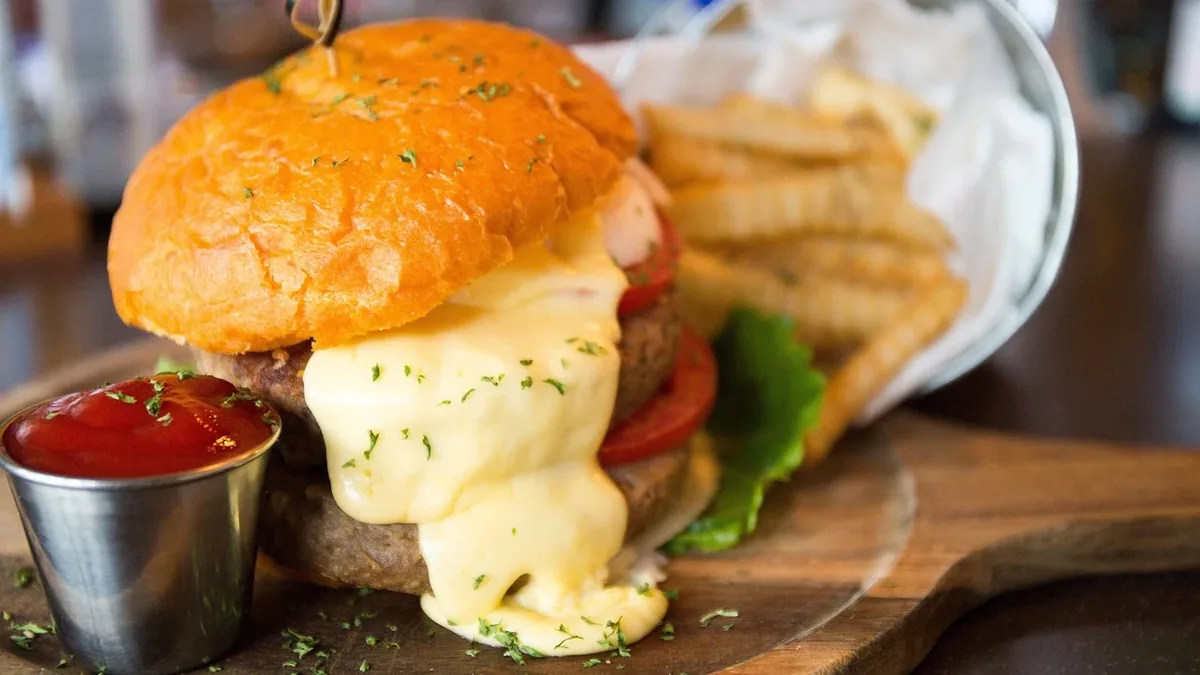
As part of the launch, Carl's Jr. Debuted a new limited-time offering. The Angus Maximus features 5.7 ounces of beef, American cheese, sliced onions, dill pickles, and a special sauce on a toasted brioche bun.
Marketing and Competitive Moves
Recent marketing campaigns have heavily emphasized food quality. In April, the chain offered MyRewards members a free Western Bacon Chicken Sandwich if they could prove they purchased a "criminally bland" chicken sandwich from a competitor. A similar promotion in June gave guests a free Sourdough Star for proving they passed by a Jack in the Box to visit Carl's Jr.
The push for better food is part of an industry-wide trend. Major competitors like Burger King, Wendy's, and McDonald's are all updating menus with new ingredients or items. The goal is to improve customer satisfaction and drive store traffic.
Business Performance and Challenges
Improving food quality could help boost the chain's financial performance. The average unit volume for franchised locations was $1.39 million during fiscal year 2026, according to a franchise disclosure document.
However, the chain has faced challenges. Its franchised store count declined from 1,020 in 2024 to 942 by the end of fiscal 2026. The number of company-owned stores has remained steady at around 50 during that period.
Some franchisees have struggled with profitability. A large operator, Friendly Franchisees Corporation, filed for Chapter 11 bankruptcy in April. It operated 65 Carl's Jr. Units in California and cited the state's $20 minimum wage as a contributing factor.
Other burger chains are seeing benefits from similar quality-focused strategies. Burger King's efforts to improve its Whopper are reportedly helping drive sales increases this year. McDonald's is working on food quality as part of its broader 'NEXT' strategy, and Wendy's released improved chicken sandwiches earlier in the year.