Restaurant Beverage Trends Shift with Consumer Habits
A new report from Southern Glazer's Wine & Spirits outlines how changing consumer drinking habits, from a demand for ready-to-drink cocktails to
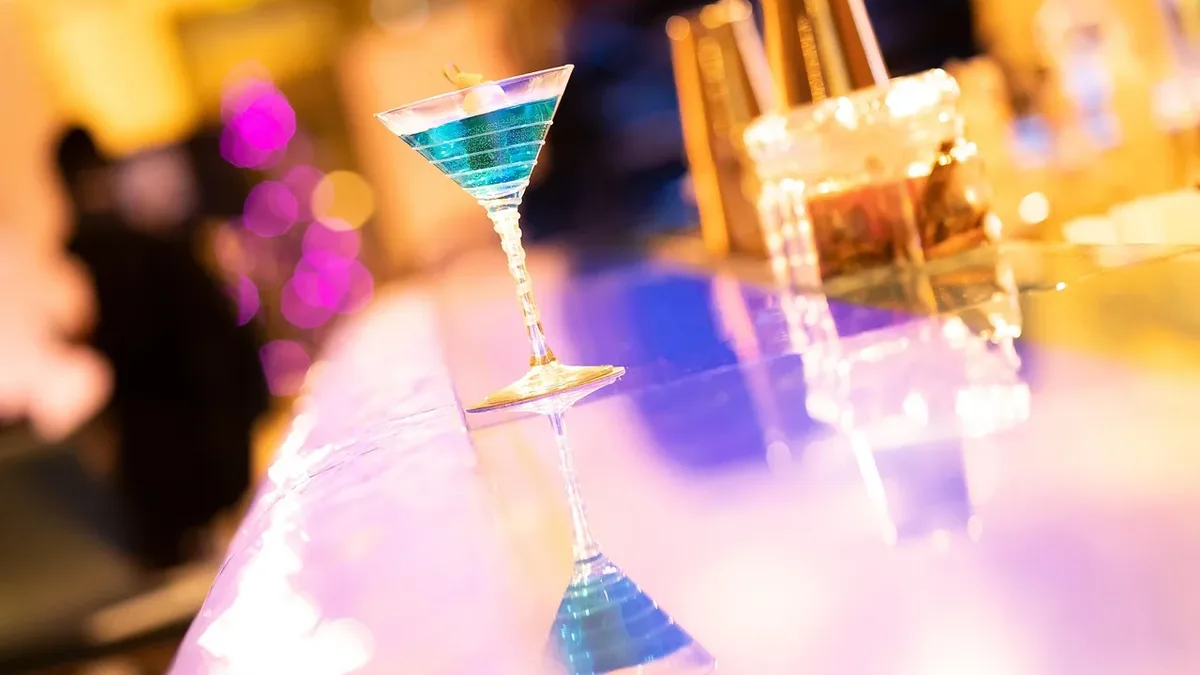
Diners are becoming more intentional about alcohol consumption, creating new opportunities in ready-to-drink cocktails, wine cocktails, and non-alcoholic beverages. This shift is detailed in the "Raise the Bar: H2 2026 Edition" report from Southern Glazer's Wine & Spirits’ Commercial Intelligence team.
Zach Poelma, Senior Vice President of Commercial Intelligence at Southern Glazer's, said ready-to-drink cocktails remain under-penetrated in restaurants and bars. When you look at the share of the category at about 25 percent in the off-premise, but still in the single digit range in the on-premise, we’re not giving the consumer what they want, Poelma stated. He noted that service speed with an RTD can improve profitability for operators facing increased costs.
Key Opportunities for Operators
The report identifies five major trends shaping beverage alcohol. Gen Z is emerging as a key growth group, favoring spirits and RTDs while also increasing wine spending. Spirits RTDs now drive 94 percent of total spirits volume growth, and cocktails account for 92 percent of total wine growth. Consumers see bars and restaurants as the best place to try a new brand, reinforcing the on-premise sector as a discovery gateway.
Growth is also occurring at opposite ends of the market, a dynamic called the Barbell Dynamic. This spans from smaller formats and everyday value to premium products and elevated experiences. Finally, no-alcohol, low-alcohol, and functional beverages are increasingly complementing traditional drinks rather than replacing them.
Pricing is key for younger generations. Poelma explained that high wine markups and expensive cocktails often lead a customer to order just one item. "Simplifying the proposition for younger consumers at an affordable price with known brands can help make wine feel like an approachable category," he said.
The Barbell Dynamic in Practice
Poelma pointed out two consumer types creating the Barbell dynamic. One is an older consumer with disposable income willing to pay for a premium, tailored experience, even if they drink less. The other is a more cash-constrained consumer seeking deals, where price is a major factor.
Even with many of these consumers though, they still strive for some level of premiumization; it is just at a different price point, Poelma said. He advised operators to include affordable wine and cocktail options from brands perceived as good value, which still align with consumer ideals like sustainability or being additive-free.
The report found that frequent visits to on-premise locations have started to increase again after three years of decline. While overall consumption frequency per visit has not returned to growth, it has bottomed out. Household penetration has also leveled off after falling from a peak a few years ago.
Experiential Demand and Staffing
Food continues to be a key driver for occasion-based demand. Businesses with food have outperformed beverage-only venues for the last couple of years. Limited-seating events with customized menus and tailored pairings create unique experiences that perform well. Small, culturally tied micro-events also see solid traffic.
As consumption shifts to earlier occasions like brunch, Poelma emphasized being active during these day parts with customized offerings. We’ve seen tremendous results with early and later happy hour programming to bring in customers earlier and after later seatings, he said.
Investing in sufficient and trained bar staff ensures a better experience. Poelma linked long wait times for initial drinks and slow refill requests to staffing and education issues, which can prohibit reorders.
The Role of Non-Alcoholic Drinks
Internal and third-party data indicate about 20 percent of menus now have a mocktail or non-alcoholic section. With this category growing double-digits annually, Poelma believes operators should have non- and low-alcohol options available across wine, beer, and spirits.
Operators who put the same effort into designing their non-alcoholic menu as their core cocktail menu should see stronger growth. Pricing remains important, as the fastest-growing non-alcohol accounts still show a price gap between non-alcoholic and alcoholic cocktails.
The current thought is that consumers are active in both alcoholic and non-alcoholic categories, not abandoning alcohol altogether. There are occasions where they do not want alcohol but still wish to socialize or dine out. Poelma noted that consumers may switch between both types of products within the same evening.
This pattern holds true throughout the year. While Dry January gets attention, data shows consumers return to alcoholic beverages during the month but continue to drink non-alcoholic products year-round.