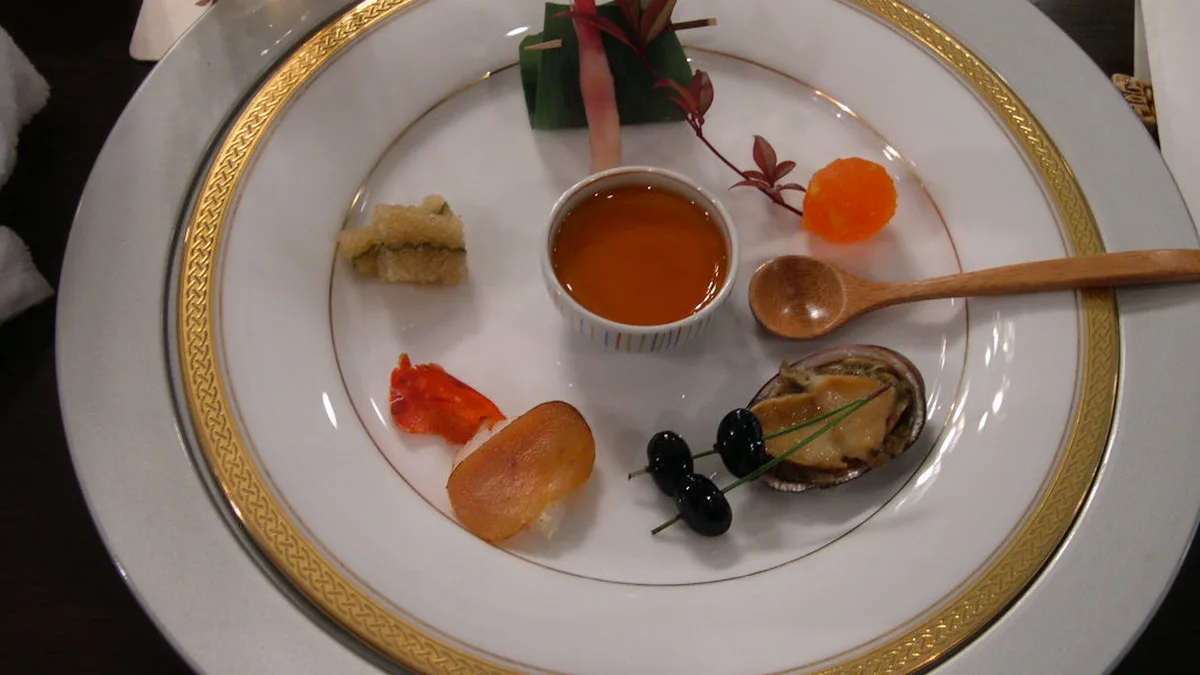
Tasting Menus And Prix Fixe
| Service style | Multi-course, pre-set menu |
|---|---|
| Booking requirement | Typically required in advance |
| Typical course count | 5 to 15 courses |
| Duration | 2 to 4 hours |
| Common offering | Tasting menu, prix fixe menu |
| Menu flexibility | Often limited or chef's choice |
| Original use | Formal dining experience |
Origin and history
The prix fixe menu, meaning "fixed price" in French, originated in European dining establishments, particularly in France, during the 19th century. It was developed as a way to offer a complete multi-course meal at a set total price, providing predictable cost for both the restaurant and the guest. The modern tasting menu, a highly curated sequence of small, intricate dishes, evolved from the prix fixe format but gained distinct prominence in the late 20th century. This evolution is closely tied to the rise of "chef's table" experiences and the nouvelle cuisine movement, which emphasized smaller, lighter courses showcasing technique and ingredients. While tasting menus are now a global fine-dining staple, their philosophical roots are often attributed to chefs in Spain and France who pioneered the idea of a meal as a cohesive culinary narrative. The format solidified its place in haute cuisine during the 1990s and 2000s as a primary vehicle for culinary innovation and expression.
What it is for
A prix fixe menu is fundamentally a business tool that streamlines kitchen operations and inventory management by limiting the number of dishes produced on a given night. It allows the restaurant to control food costs precisely and reduce waste, as preparation is based on a known number of reservations. For the guest, it simplifies the booking decision by presenting a known cost for a full meal, often at a value compared to ordering à la carte. The tasting menu serves a more specific artistic and experiential purpose, designed to showcase the chef's creativity, technical skill, and a particular theme or seasonal ingredient progression. It transforms the meal into a controlled, timed performance where the kitchen dictates the pace, sequence, and narrative of the dining experience. This format is intended for diners seeking immersion and discovery, rather than simply a meal, and it functions as the restaurant's flagship offering.
Pros and cons
A primary advantage for the restaurant is exceptional operational control over timing, procurement, and labor, leading to potential cost efficiencies and a streamlined service flow. For diners, the key benefit is a curated, often unique experience that eliminates decision fatigue and can offer exposure to dishes and ingredients they might not otherwise order. The significant con for the guest is the loss of autonomy, being committed to a lengthy, set sequence of dishes where individual preferences may not be accommodated, such as strong dislikes or allergies. The format carries a high financial and temporal risk for the diner who regrets their choice, as the commitment is total and non-refundable once the meal commences. A common mistake is diners booking a tasting menu without considering its duration, which can exceed three hours, or its potential physical intensity due to rich foods and large number of courses. The restaurant faces the con of a very high-stakes service model where a single poorly executed course or service misstep can undermine the entire carefully constructed narrative and value perception.
Who it suits
This dining format suits restaurants with a clear, confident culinary point of view and the operational discipline to execute a complex, multi-course sequence flawlessly night after night. It is ideal for diners who view a meal as entertainment or education, prioritizing novelty and chef-driven creativity over personal choice and familiar comforts. The tasting menu particularly appeals to culinary enthusiasts, celebratory parties seeking a special event, and business diners where the extended, structured meal aids conversation. It is less suitable for groups with diverse or restrictive dietary needs, picky eaters, or anyone with strict time constraints, as the experience is inherently inflexible. Diners who prefer to control their spending on a per-item basis or who have smaller appetites may find the format overwhelming and poor value. Ultimately, it suits a symbiotic relationship where the guest willingly cedes control to the kitchen in exchange for a guided journey, trusting the chef's expertise completely.
Latest Tasting Menus And Prix Fixe news
Latest reporting
7-Eleven launches value menus across Laredo Taco, Raise
7-Eleven has introduced new value menus at its Laredo Taco Company, Raise the Roost, and Speedy Cafe restaurant brands, featuring meal deals priced...
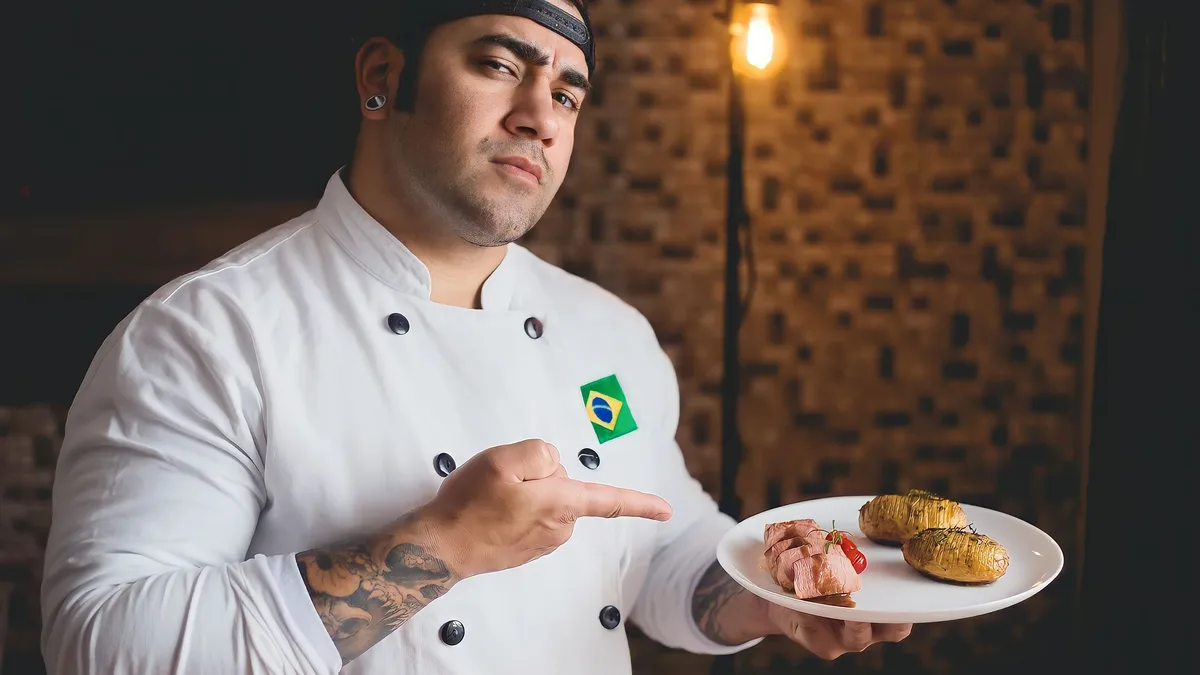
Chef Mike Lanham Opens Athanor After Burnout
Chef Mike Lanham returns with Athanor, a 10-course tasting menu restaurant in San Francisco, after closing Anomaly due to severe burnout that caused
Restaurants advised to prepare delivery
Industry experts recommend restaurants use late summer to optimize delivery menus, analyze ordering patterns, and simplify direct ordering ahead of
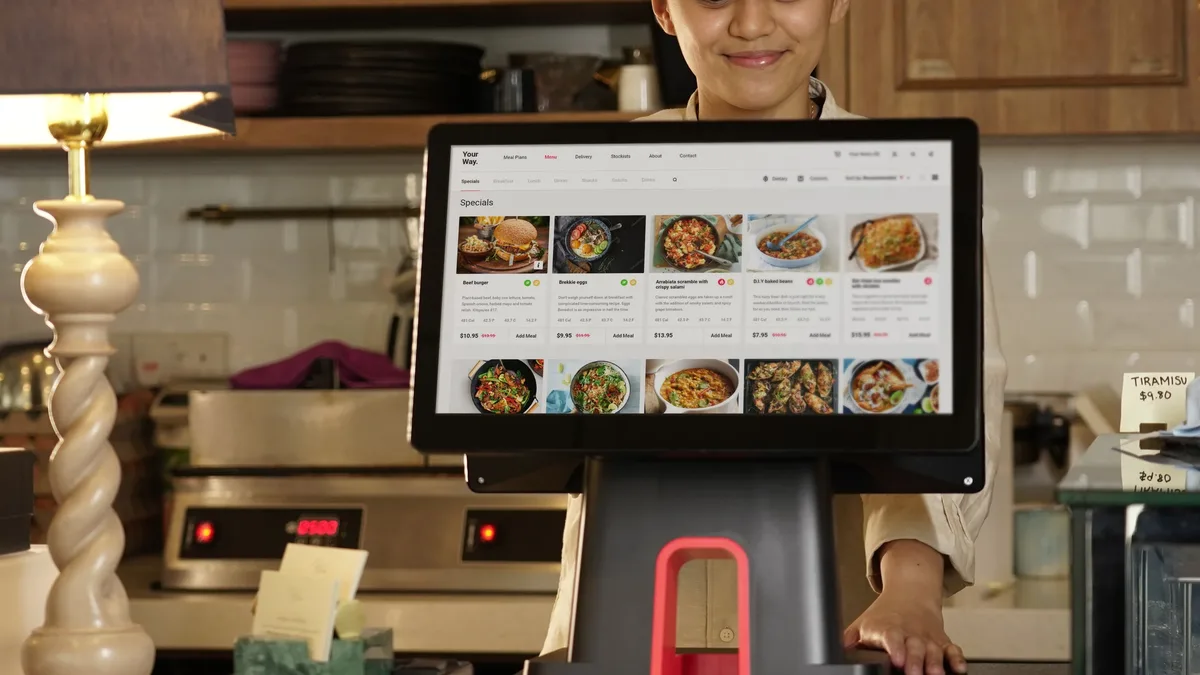
Eater Off Menu 2026 Tickets On Sale for LA Food Event
Eater's Off Menu tasting event returns for a second year on September 19, 2026, at LA's Tam O'Shanter. Tickets start at $125, with proceeds...
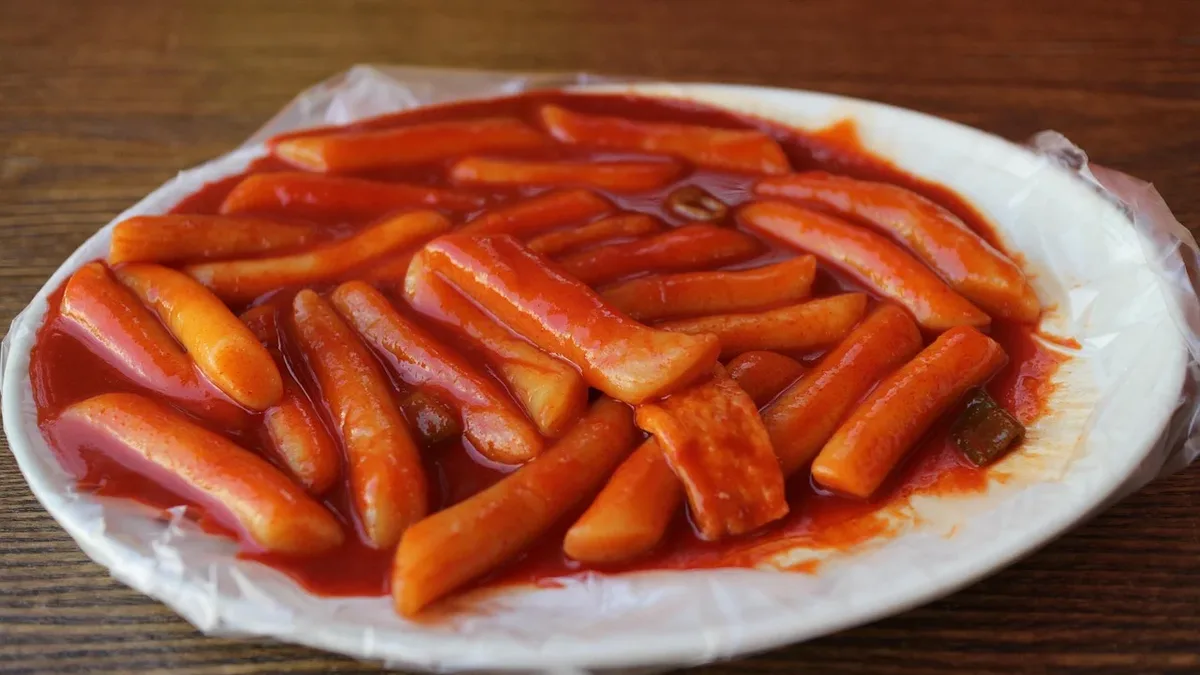
Atoboy NYC Korean Prix Fixe Menu Review
A decade after opening in Nomad, chefs Junghyun 'JP' Park and Ellia Jeongeun Park's Atoboy continues to impress with a required Korean prix fixe menu.
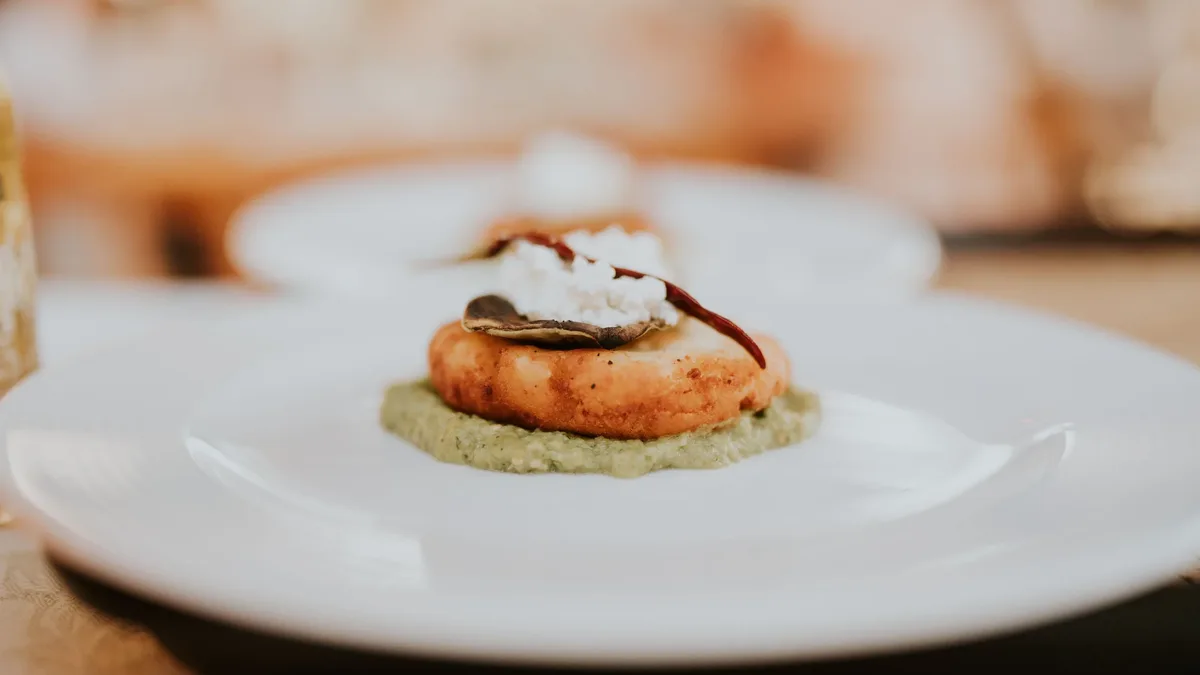
Restaurant News: Throwback Menus and Loyalty Programs
Wendy's eliminates US president position, Taco Bell and Buffalo Wild Wings introduce throwback menus, and Panera launches a new loyalty program