Restaurants Overlook Late-Night Sales Opportunity
Changing consumer routines and delivery demand are creating a significant late-night sales daypart, with some restaurants seeing 40% of sales after 8 p.m.
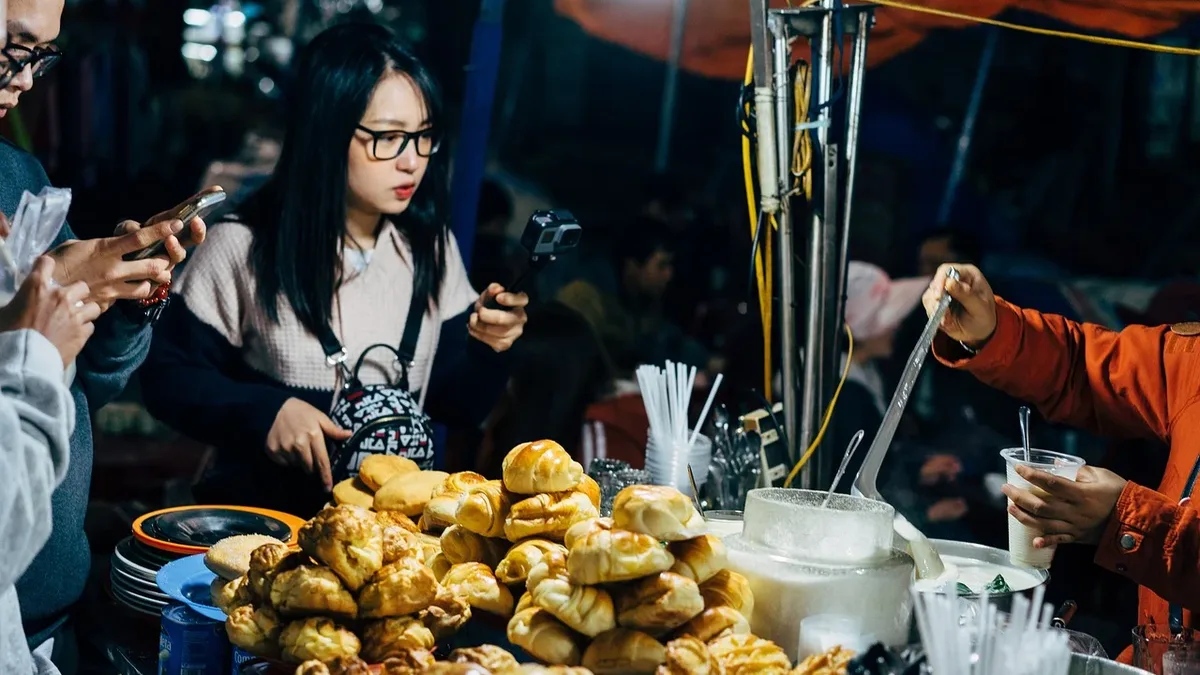
Restaurants are missing a major sales opportunity by treating the hours after 8 p.m. As the end of the business day. Shifting consumer schedules and the rise of delivery have created a distinct late-night daypart, with The Melt chain seeing roughly 40 percent of its sales occurring after 8 p.m.
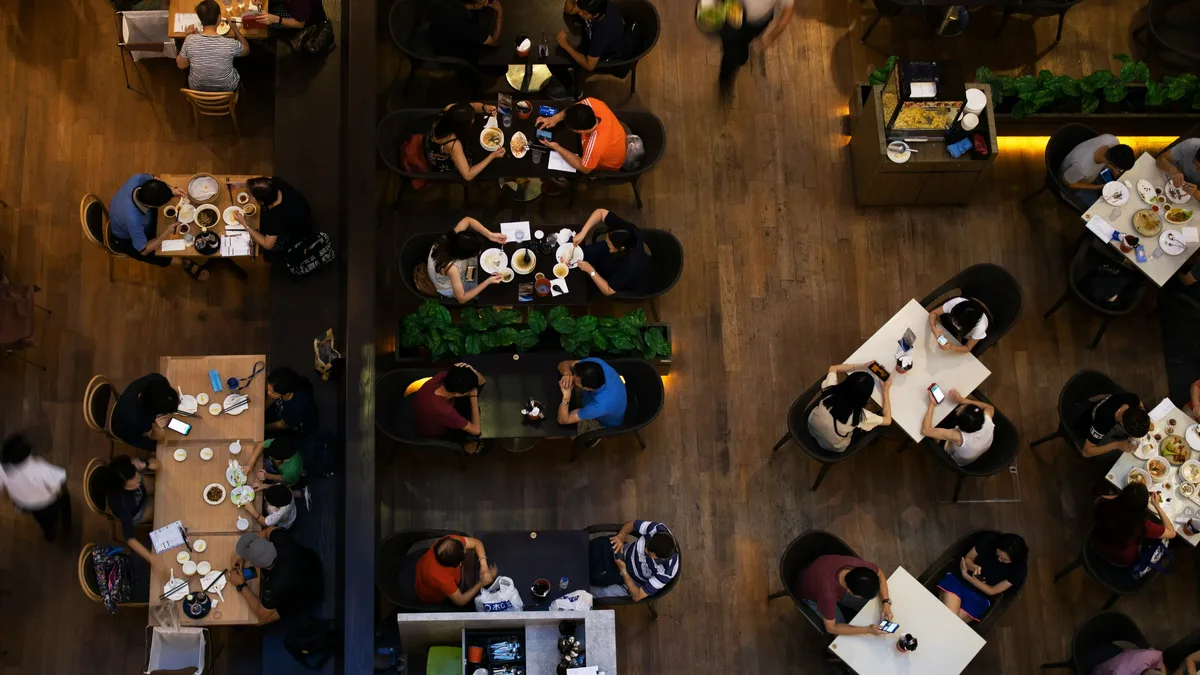
Remote work and shift-based employment have disrupted traditional meal times. Younger consumers now consider 9 or 10 p.m. A normal dinner hour. Meanwhile, delivery platforms allow customers to order food regardless of a dining room's status. This demand has largely moved off-premise, making it easy for operators to overlook if they only track physical foot traffic.
Late Night Is a Digital Daypart
The traditional late-night model relied on crowds from entertainment districts or college campuses. Today's demand is digital, arriving from apartments, hospitals, and warehouses. Operators must analyze sales data by hour and order type to see the pattern. They may discover late-night customers have higher average checks, order more indulgent items, or buy for groups. Staffing only for visible traffic leaves a restaurant unprepared for a digital rush.
Food Must Travel Well for Delivery
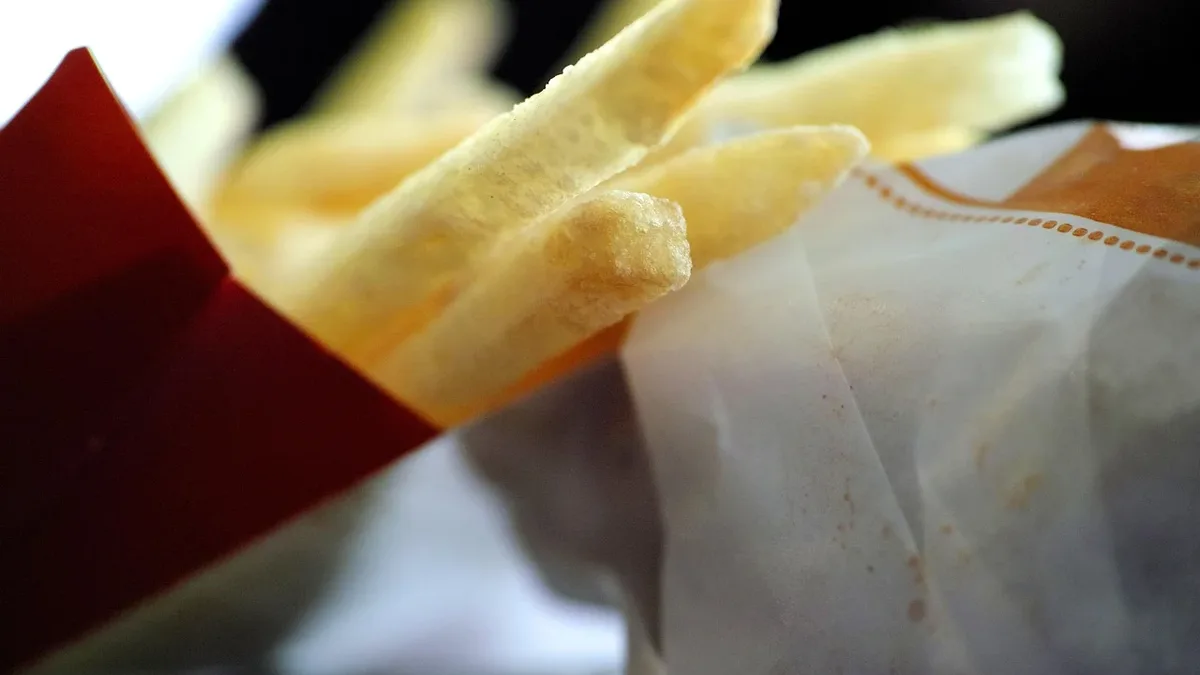
Building a sustainable late-night business requires food that survives delivery. The key question is how an item tastes after 20 or 30 minutes in transit. Operators must test for sogginess, texture loss, and steam damage. Packaging should be part of product development, not only a purchasing decision. Regular travel tests are essential, especially for new menu items. A dish perfect for the dining room may need a different build or container for delivery.
Operational Simplicity After 8 p.m.
Restaurant operations become more complex and expensive late at night. Managers oversee closing while serving guests. Employees clean equipment while handling unpredictable digital orders. A complicated menu can create bottlenecks. Operators should identify the smallest team capable of producing high-quality food safely. This requires studying ticket flow, prep times, and equipment capacity. Labor models must be based on actual hourly demand, not the assumption that business always declines after dinner.
Closing duties should not interfere with active orders. Solutions include staggering cleaning, adjusting prep levels, or changing when equipment is shut down. High-volume restaurants must be prepared to handle a rush at any hour. Inconsistency after 9 p.m. Means delivering two different brand experiences.
Hospitality Still Applies Off-Premise
Digital transactions should not make operators think of late-night customers as mere orders. The fundamentals of hospitality remain critical. Orders must be accurate and packaging thoughtful. Pickup areas need organization, and delivery drivers should locate orders quickly. Problems require urgent resolution, just as during the dinner rush. Team members on late shifts also need clear leadership, safe procedures, and recognition for their work.
A strong after-hours business is built on a reliable operating culture that lasts through the final order, not only by extending hours.
Capturing Incremental Growth
With rising costs, operators seek more sales from existing assets. The late-night daypart offers this chance. The lease and kitchen are already paid for, and customers may already be searching for food. Demand patterns vary greatly by location. A restaurant near a university or hospital will differ from one in a suburban office park. Localized scheduling and market-by-market testing are more effective than a universal closing time. Operators must track profitability by hour.
The larger lesson is that dayparts are now defined by when customers want food, not when they enter a dining room. For many operators, growth may start by re-examining the hours they have historically considered the end of the day. Late night is already a meaningful occasion. The question is whether more brands will build operations to capture it.