Chili's Targets 2-3% Annual Growth After Sales Surge
Brinker International plans to open 20-30 new company-run Chili's restaurants annually, following a 71% five-year same-store sales increase.

Chili's is planning to open 20 to 30 new company-operated restaurants each year, a growth rate of 2% to 3%. This expansion follows a period of strong sales performance that has transformed the chain's unit economics, according to executives at parent company Brinker International.
Brinker CEO Kevin Hochman stated that sustained unit growth is a "completely new lever" for the casual dining brand. The decision comes after Chili's achieved a 71% increase in same-store sales over the past five years, even as its total U.S. company-operated store count shrank from 1,131 in fiscal 2022 to 1,110 in fiscal 2026. The chain returned to net unit growth last year with one new opening.
Four-Pronged Expansion Strategy
CFO Mika Ware outlined four geographical categories for development. First, the brand will enter underpenetrated markets like Washington state, where it currently has only one streetside location compared to 35-40 for its closest competitors.
Second, Chili's will fill in around the edges of its strongest existing markets in Texas, California, and Florida. Ware noted that eight new restaurants are already in the pipeline for Texas and Florida alone, citing ongoing growth in those metro areas.
Third, the chain will target markets in the Carolinas, Georgia, Virginia, and the Washington, D.C. metro area. These regions have similar economic dynamics to Texas and Florida but a lower density of Chili's locations.
Finally, the brand plans to expand in the vast heartland of the United States, areas historically dominated by franchisees that Brinker has since bought back. Hochman highlighted Ohio as a prime example, noting that Chili's next two competitors combined have four times the number of restaurants there.
New Real Estate and Market Approaches
Within these regions, Chili's will continue targeting major suburbs but is also adopting a new small-town strategy. The team has identified many smaller markets without a Chili's that they believe can support a successful restaurant.
The brand is also considering real estate conversions to supplement development, particularly in high-cost, high-density markets like the Northeast. Ware said the company is looking at one-off conversions and potential acquisitions of small chains with strong real estate. This flexible approach has identified up to 300 potential sites.
Individual new units typically require a total investment of between $5 million and $6 million. Ware said these new restaurants have seen strong volumes, often exceeding $5 million in sales, providing a solid return on investment that fuels expansion confidence.
Remaking Restaurant Operations
Executives credit operational overhauls for making this growth feasible. Chief People Officer Aaron White presented data showing a dramatic turnaround in store-level traffic. Weekly guest counts per location had fallen from about 5,200 in the early 2000s to 3,400 by fiscal 2023. By fiscal 2026, that number rebounded to 4,200.
This surge helped push average unit volumes from $3.3 million in 2023 to $5 million. Meeting the increased demand required significant operational changes.
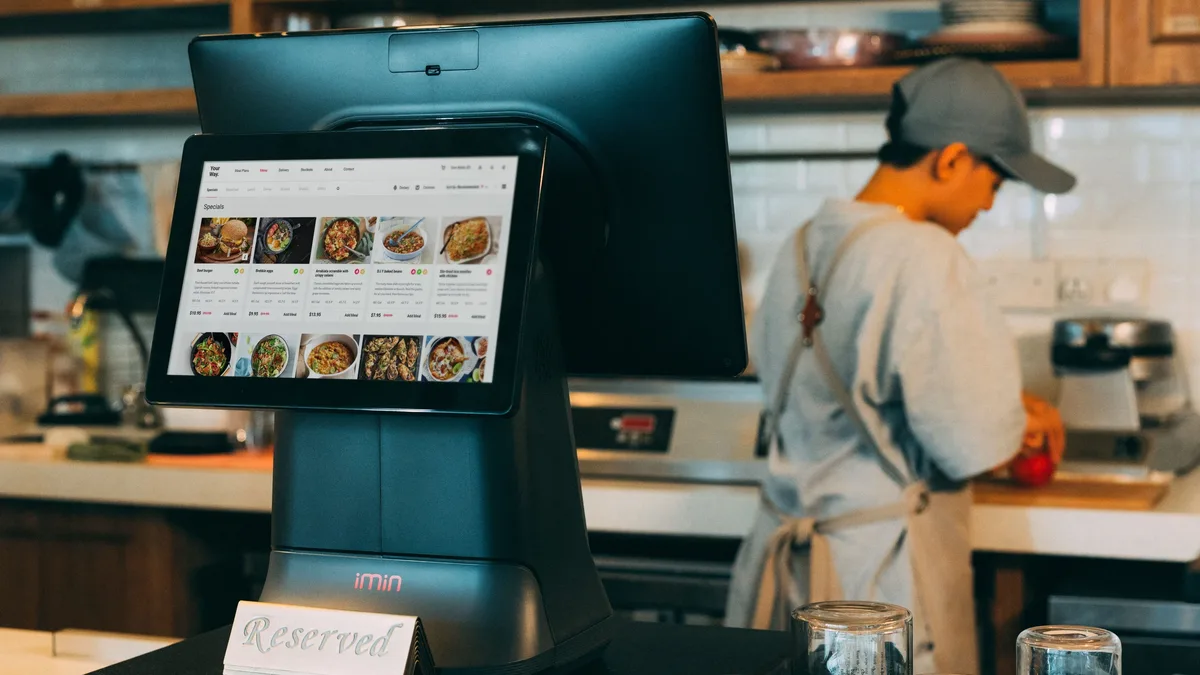
The brand eliminated several menu SKUs to reduce kitchen pressure, invested $180 million in front-of-house service, and revived the busser position. It also deployed handheld ordering tablets for servers, which cut down on trips to the kitchen. A new kitchen display system now shows workers exactly how many of a particular item they need to prepare, streamlining the cooking process.
White said the company analyzes operations through group conversations with both managers and hourly workers to identify and remedy bottlenecks.
Hochman said credit card data indicates Chili's is drawing in a significant number of new guests who, within nine to twelve months, exhibit dining frequency similar to existing patrons. He stated this pattern sets the brand up for reaping guest loyalty over time, not just for a single quarter.