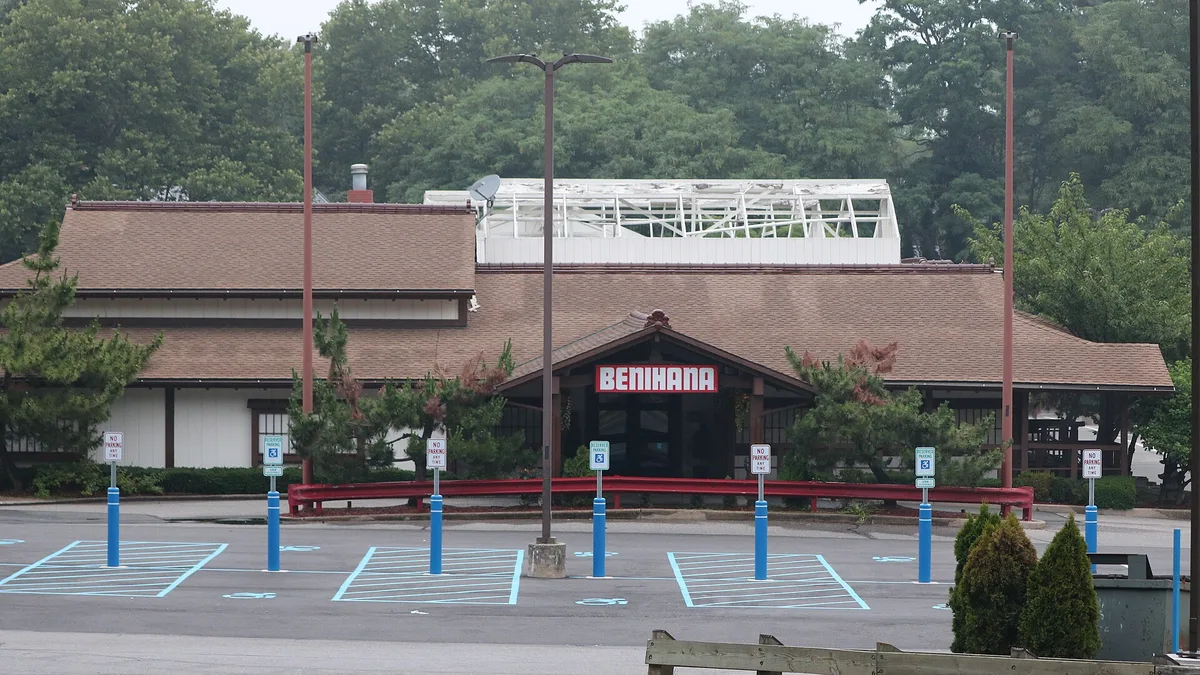
Benihana
| Country of origin | United States |
|---|---|
| First created | 1964 |
| Original use | Teppanyaki-style dining experience |
| Cuisine type | Japanese (American teppanyaki) |
| Service style | Teppanyaki grill at table |
| Typical setting | Themed restaurant with communal seating |
| Founder | Hiroaki "Rocky" Aoki |
Origin and history
Benihana originates from Japan, founded by Hiroaki Aoki in the mid-1960s. The first restaurant opened in New York City in 1964, introducing a novel dining format to the American market. Aoki adapted the concept of teppanyaki cooking, where chefs prepare meals on a large iron griddle in front of guests, for a Western audience. The name "Benihana" translates to "red flower," specifically the safflower, which was the name of a coffee shop Aoki's father operated in Tokyo. The chain expanded rapidly throughout the 1970s and 1980s across the United States and internationally. Its growth made it one of the most recognizable brands associated with Japanese-style dining globally, though its format is specifically tailored to theatrical entertainment.
What it is for
Benihana is a restaurant chain specializing in Japanese-inspired teppanyaki cuisine served in an entertaining, communal setting. The primary experience revolves around a skilled chef performing cooking techniques directly on a large, built-in grill table, known as a teppan, around which guests are seated. This format is designed for group dining, celebrations, and those seeking a lively meal with a performance element. The restaurants are commonly chosen for special occasions like birthdays, anniversaries, or business dinners due to their festive atmosphere. Unlike a traditional quiet restaurant, the environment is typically bustling, with chefs engaging guests through culinary tricks and interaction. Its core function is to provide a consistent, interactive dining event that combines a set menu of grilled proteins, vegetables, and rice with a standardized show.
Benihana menu with prices
Benihana's menu pricing is structured around combination dinners that include multiple courses, with prices varying by protein selection and market location. As a reference, teppanyaki entrée prices at most locations typically start in the mid-thirty dollar range and can exceed sixty dollars for premium steak and seafood combinations. These combination dinners generally include a starter such as soup or salad, grilled vegetables, hibachi fried rice or noodles, and the selected main protein. Appetizers, sushi rolls, and à la carte items are available at additional cost, often ranging from approximately eight to twenty dollars. For accurate pricing, guests must consult the menu at their specific local Benihana or contact the restaurant directly.
Benihana menu
The core of Benihana's menu is the teppanyaki combination dinners, which feature proteins like filet mignon, steak, chicken, shrimp, scallops, and lobster tail cooked on the iron griddle. Every combination includes a starter, typically a light onion soup or a ginger salad, and sides of grilled zucchini, mushrooms, onions, and bean sprouts. Hibachi fried rice or Japanese udon noodles, often prepared with egg and vegetables, are standard accompaniments cooked as part of the chef's performance. Separate sections of the menu offer à la carte sushi and sashimi, including rolls like the Benihana Rainbow Roll and Spicy Tuna Roll. Appetizers extend beyond the teppanyaki format to include items like shrimp tempura, edamame, and crispy chicken karate. The menu also features a limited selection of desserts, such as fried ice cream or a seasonal fruit sashimi, to conclude the meal.
Benihana deals
Benihana offers various promotional deals, primarily through its email newsletter and loyalty program, the Chef's Table. These deals often include discounts on specific combination dinners or special pricing for seasonal occasions like Mother's Day or Valentine's Day. A common promotion is the "Benihana Birthday Club," which provides a complimentary meal for the birthday person when dining with a group and meeting specific purchase requirements. Limited-time lunch specials at a reduced price point are available at many locations, offering a smaller-scale version of the teppanyaki experience. The restaurant chain also partners with third-party discount platforms for occasional offers, though these are not a consistently available feature. It is advisable to check the official website for the specific restaurant location to view any active promotions or sign up for direct marketing communications.
Pros and cons
A significant advantage of Benihana is the consistency of its entertainment-focused dining experience, which is predictable and well-suited for group celebrations. The food is prepared fresh in front of guests, and the set menu format simplifies ordering for large parties. However, a common critique is that the meal's quality can be secondary to the performance, with flavors often leaning toward a standardized, mildly seasoned profile that may disappoint those seeking authentic or complex Japanese cuisine. The environment is notably loud and interactive, which is a con for diners seeking a quiet, intimate, or conversational meal. Mistakes often involve misjudging the occasion; guests booking for a romantic date night frequently regret the choice due to the communal seating and pervasive noise. Furthermore, the premium pricing structure places it in a special-occasion category, making it a less frequent choice for casual dining due to the total cost per person.
Who it suits
Benihana best suits groups, families with older children, and anyone celebrating a milestone who prioritizes a lively atmosphere over nuanced cuisine. It is an excellent choice for business teams seeking an engaging dinner that serves as a shared activity and conversation facilitator. The format is particularly well-suited to first-time visitors or those unfamiliar with teppanyaki, as the performance element provides inherent entertainment. Conversely, it is less suitable for solitary diners, couples on a quiet date, or serious food enthusiasts seeking a chef-driven or authentic culinary experience. Individuals with severe hearing sensitivities or aversion to strong cooking odors may find the environment overwhelming. Ultimately, Benihana serves a market looking for a reliable, entertaining dining event where the process of cooking is as integral to the experience as the meal itself.