
New Openings
| Name | Recall |
|---|---|
| Type | Restaurant |
| Cuisine | Modern European |
| Location | London, United Kingdom |
| Original use | Fine dining establishment |
| First opened | 2023 |
| Booking method | Online reservation system |
| Dress code | Smart casual |
Origin and history
New Openings is a modern online platform designed for discovering and booking tables at restaurants. It originated in North America during the early 21st century, alongside the proliferation of smartphones and the consumer shift towards digital convenience. The platform was created in response to the growing inefficiency of telephone-based reservation systems for both diners and restaurant staff. Its development coincided with the broader trend of on-demand service apps seeking to streamline everyday activities. The concept quickly spread to Europe and other global markets in the 2010s, adapting to local dining cultures and booking habits. These platforms evolved from simple booking engines into comprehensive discovery tools featuring menus, photos, and user reviews.
What it is for
The primary function of New Openings is to provide a centralized digital marketplace for restaurant reservations. It allows potential diners to search for available tables based on criteria like cuisine, location, date, time, and party size. For the user, it consolidates the process of researching a restaurant and securing a booking into a single, immediate action. For the restaurant business, it serves as a management tool for controlling its reservation book and optimizing table occupancy. The platform also functions as a promotional channel, where restaurants can highlight new offerings, special menus, or unique events to a targeted audience. Furthermore, it generates a dataset of booking patterns and customer preferences that can inform business decisions.
Pros and cons
A significant pro is the convenience for diners, who can book a table at any hour without direct phone interaction and often see real-time availability. For restaurants, a major advantage is the automation of the reservation diary, reducing administrative labor and potential errors from double-bookings. A notable con is the cost, as these platforms typically charge restaurants a substantial per-cover commission or a monthly subscription fee, directly impacting profitability. Diners can experience a con through restrictive cancellation policies enforced by the platform, leading to charges for last-minute changes. A common mistake for restaurants is over-reliance on a single platform, which can cede too much control over the customer relationship and data. Many independent venues regret using these services when they realize the fees erode margins on customers who would have found them directly.
Who it suits
This service suits tech-comfortable diners who prioritize convenience and instant confirmation over potentially negotiating directly with a restaurant. It is particularly useful for individuals seeking to discover and book at new or popular establishments where securing a table is competitive. Busy professionals and travelers often benefit from the ability to book across multiple cities using a familiar interface. For restaurant businesses, it suits high-volume establishments in competitive urban markets where visibility on a major platform is essential for attracting new clientele. New or lesser-known restaurants frequently use it as a crucial marketing tool to build an initial customer base. Conversely, it is less suited to established, destination restaurants with a strong repeat clientele who book directly, or to small venues with very tight margins that cannot absorb the platform fees.
Latest New Openings news
Latest reporting
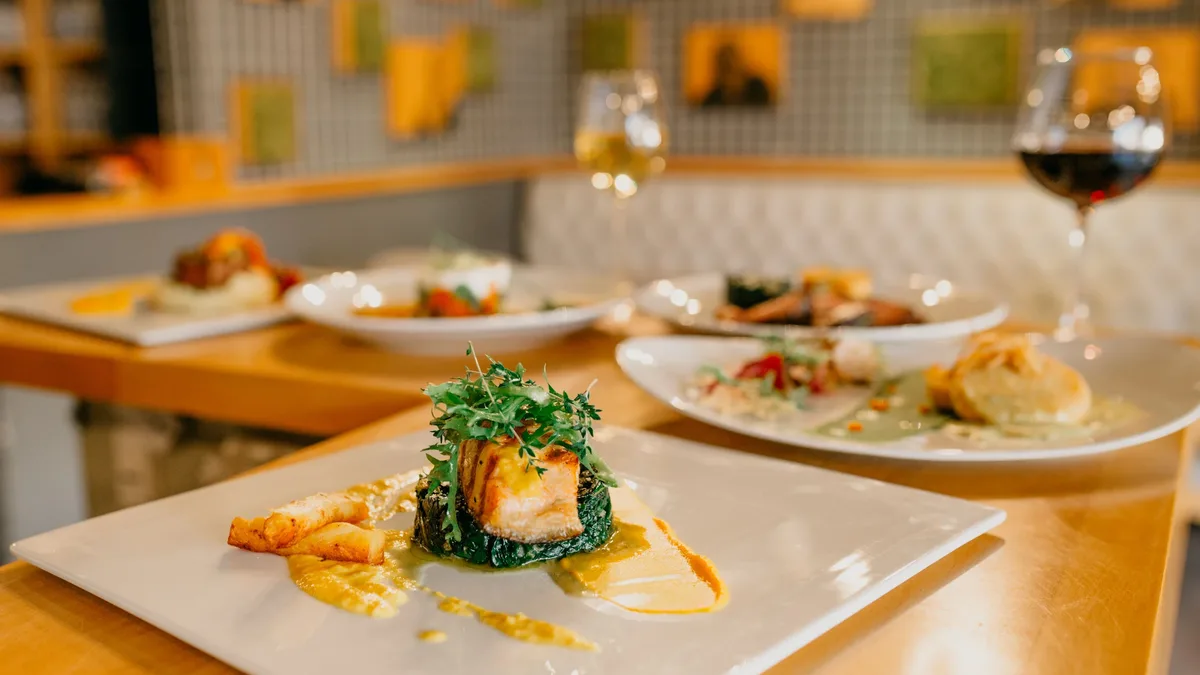
Local Expert Lists 38 Best Restaurants in Lisbon
Food writer Rafael Tonon curates a guide to Lisbon's dining scene, from traditional tascas to new openings like Familjen and Lamina.
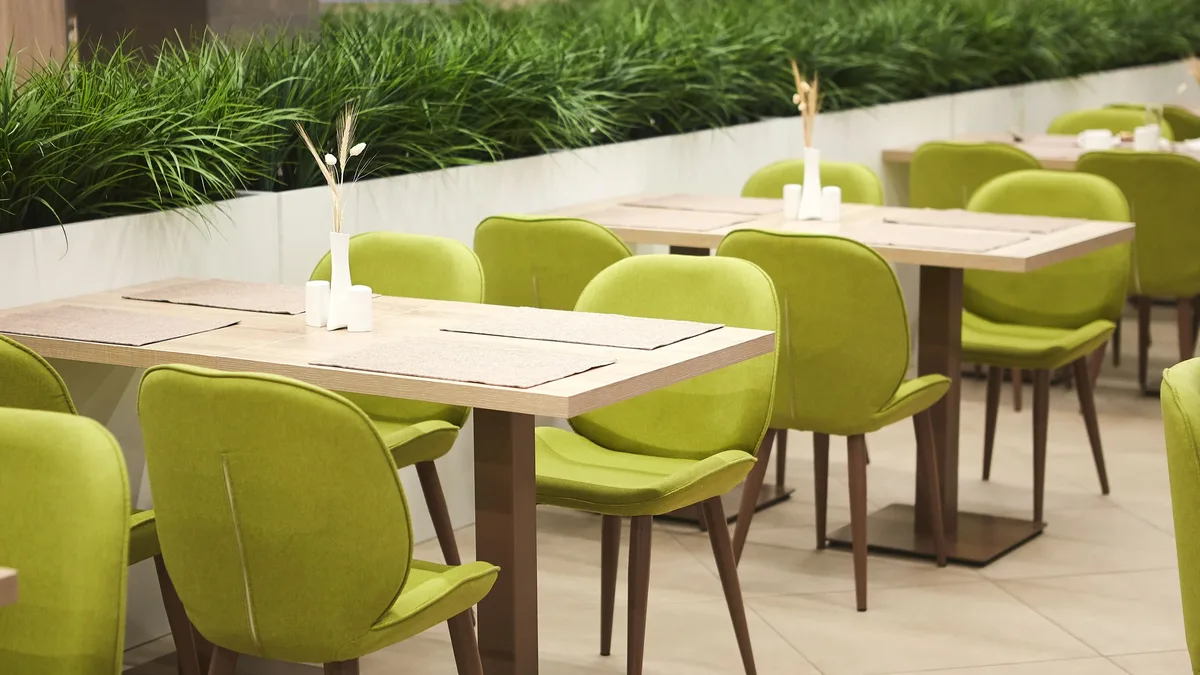
Eater Editors Name Manhattan's Best New Restaurants
Eater New York's September Heatmap update highlights five new Manhattan openings, including a British Indian chophouse, a single-focus ramen spot...
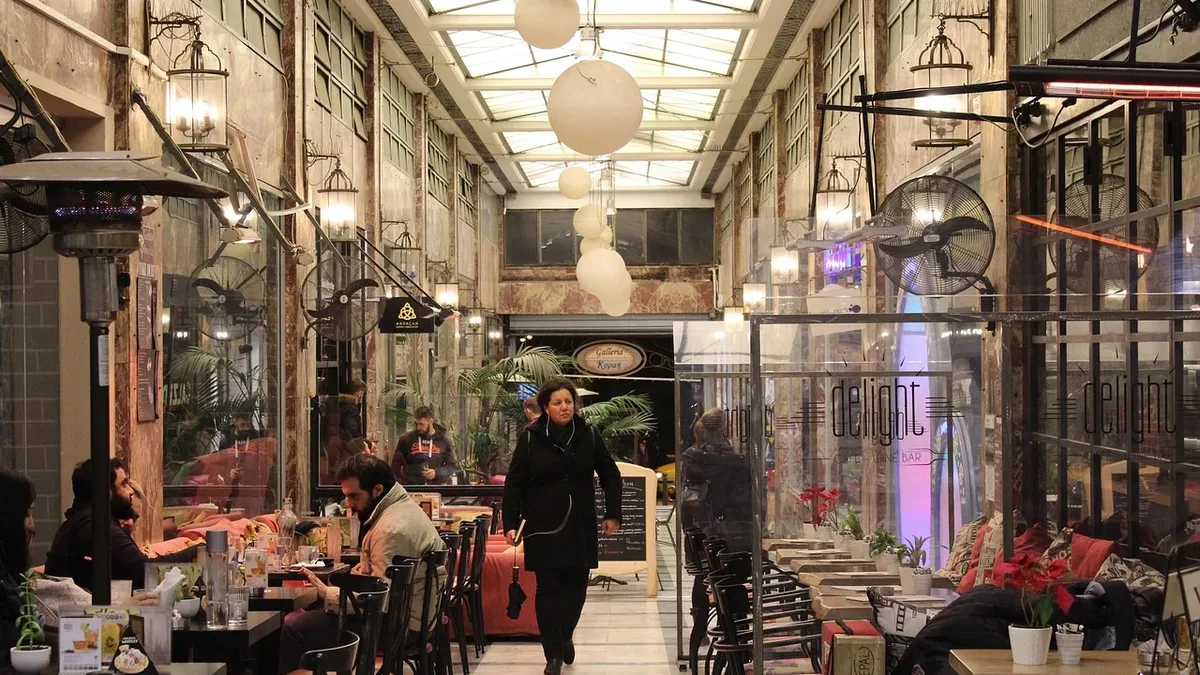
iDen's Beijing Duck House Reopens in Midtown
A revamped high-end Chinese duck restaurant has reopened in a former French fine dining space, leading a wave of new NYC openings including a...

Raising Cane’s Six September Openings
Raising Cane’s will open six restaurants across five states in September, including its first locations in Saginaw, Michigan; Gresham, Oregon; and...
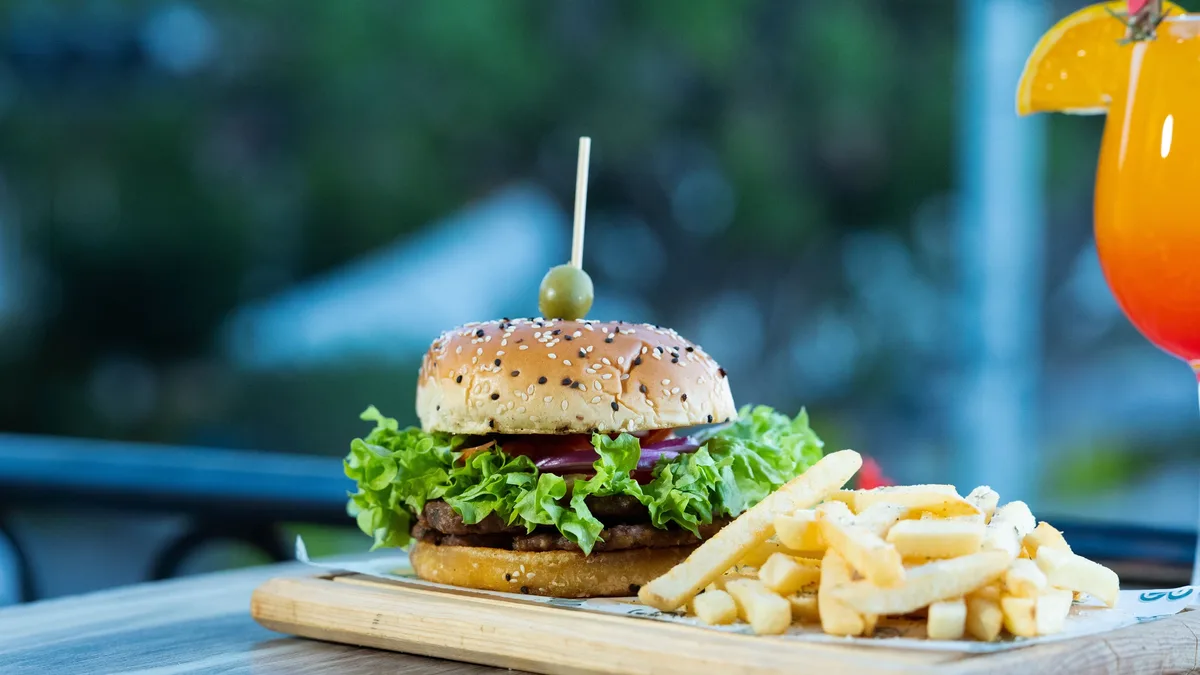
New Coffee Shop and Restaurant Openings in the Bay Area
Several new restaurants and bars have opened in the Bay Area, including an Indian coffee shop and a modern Vietnamese restaurant.
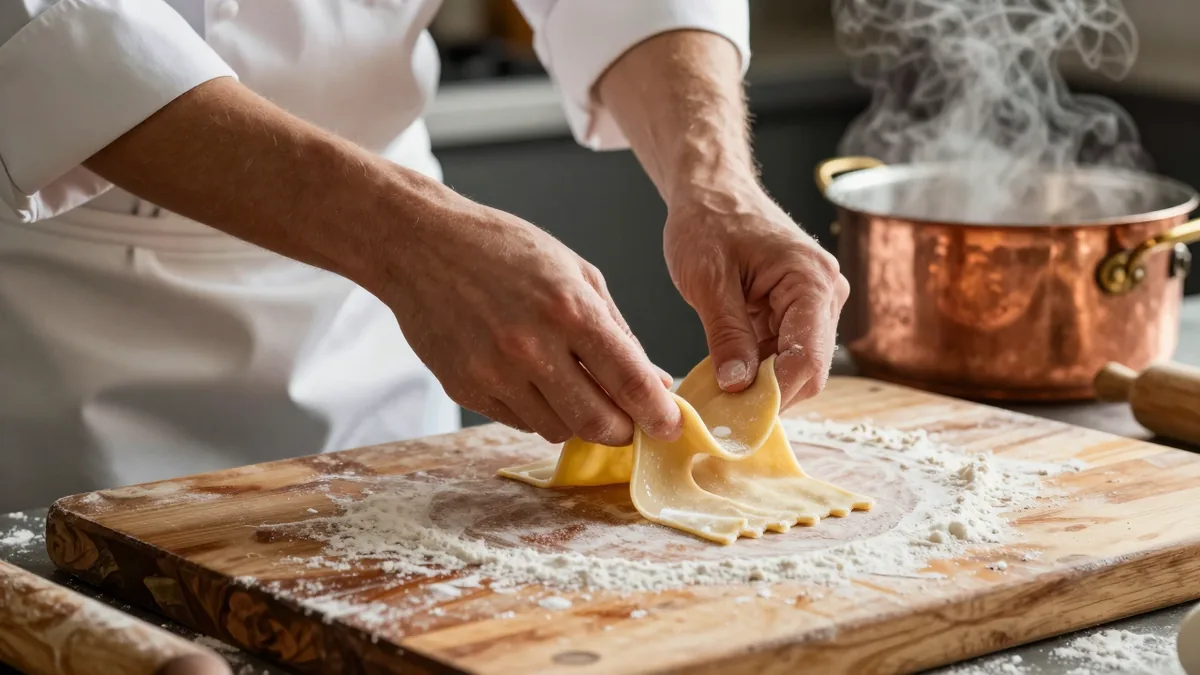
New Restaurant Openings in NYC
A roundup of new restaurants, bars, and cafes that have opened in NYC in August 2026.