Taco Bell
| Country of origin | United States |
|---|---|
| First created | 1962 |
| Original use | Quick-service Mexican-inspired food |
| Service style | Counter service |
| Typical seating | Casual, no-reservation seating |
| Menu type | Fast food |
| Primary offerings | Tacos, burritos, quesadillas, nachos |
| Beverage service | Soft drinks, often with a self-serve fountain |
Origin and history
Taco Bell originated in the United States during the early 1960s. Its founder, Glen Bell, opened the first restaurant in Downey, California. The concept was inspired by the Mexican-style food served from small, independent stands in Southern California. Glen Bell simplified and standardized the recipes for a fast-service model, focusing on tacos and burritos. The chain expanded rapidly through franchising throughout the latter half of the 1960s and 1970s. It became a subsidiary of PepsiCo in the late 1970s before being spun off into Yum! Brands in the late 1990s.
What it is for
Taco Bell operates as a fast-food restaurant chain specializing in American-Mexican cuisine. Its primary function is to provide inexpensive, quickly prepared meals in a casual environment. The menu is centered on items like tacos, burritos, quesadillas, and nachos, often featuring seasoned beef, chicken, beans, cheese, and various sauces. The business model is designed for counter service and drive-thru, emphasizing convenience and speed over formal dining. While some locations offer limited indoor seating, the experience is fundamentally geared toward takeaway or quick consumption on-site. It is not a restaurant where one typically reserves a table, as seating is almost universally available on a first-come, first-served basis.
Pros and cons
A primary advantage of Taco Bell is its affordability and consistent value, offering a wide variety of items at low price points. The menu is highly customizable, and the chain frequently introduces limited-time novelty items that generate consumer interest. A significant drawback is the variable quality and freshness of ingredients, which can result in soggy or poorly assembled items, especially during peak hours. The food is also notably high in sodium, fat, and processed components, making it a poor regular choice for health-conscious individuals. Common customer regrets involve ordering items that sound appealing but are poorly executed in practice, such as overly messy or bland creations. The reliance on drive-thru and counter service can also lead to order inaccuracies and longer wait times when the restaurant is busy.
Who it suits
Taco Bell suits budget-conscious diners seeking a quick, filling meal without concern for formal dining amenities. It appeals to younger demographics, particularly late-night customers, due to its extended hours and substantial, inexpensive offerings. The chain is suitable for individuals with a preference for bold, savory flavors and who enjoy customizable fast-food options. It is not well-suited for those seeking authentic Mexican cuisine, a health-focused diet, or a leisurely dining experience with table service. The environment caters to people comfortable with a self-service model, often in a loud and brightly lit setting. It also fits occasions where convenience and speed are prioritized over ambiance or nutritional content.
Latest Taco Bell news
Latest reporting
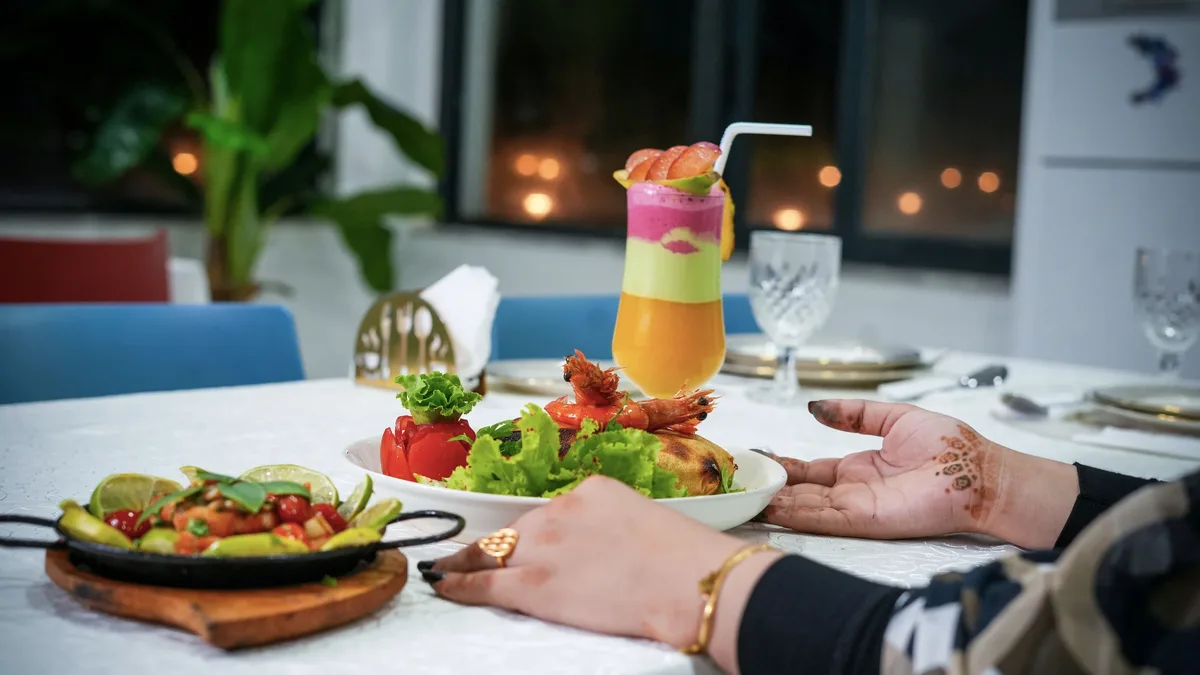
Taco Bell and Salt & Straw launch churro ice
Taco Bell and Salt & Straw are expanding their partnership with a new Churro Ice Cream Taco available nationwide from September 1.
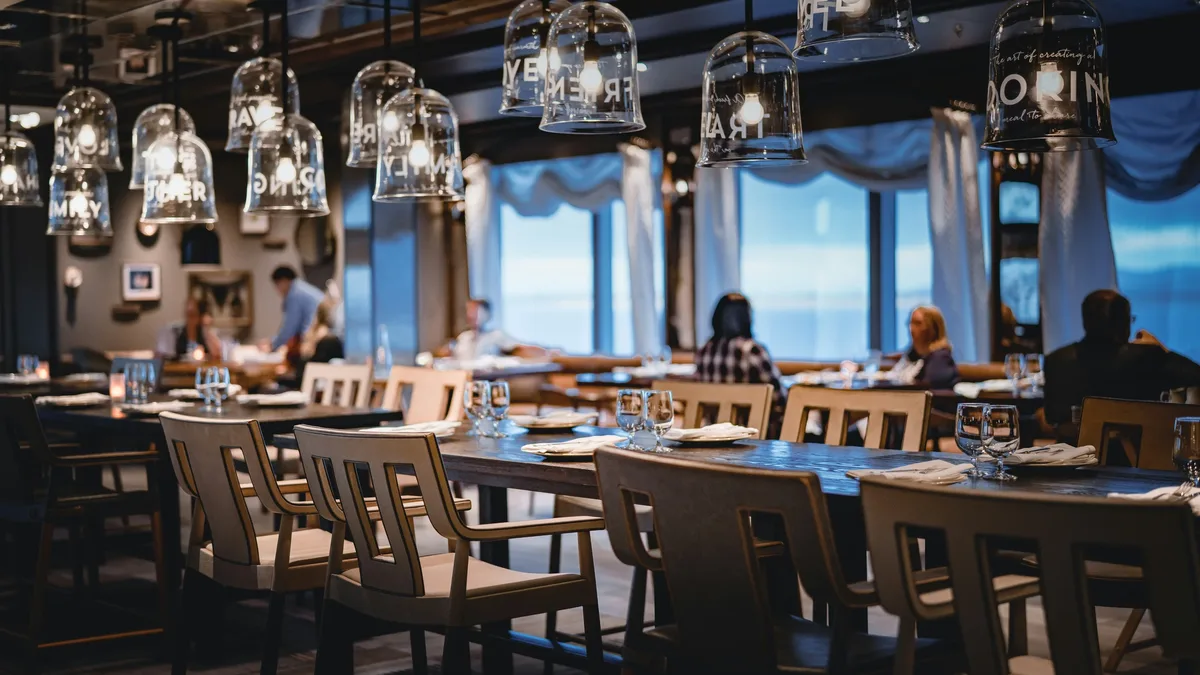
Del Taco Expands Catering
Del Taco is expanding its catering business as part of its comeback plan, Project Del Sunrise, to strengthen restaurant performance and drive growth

Pizza Hut Sold, Taco Bell Launches Ice Cream, 7 Brew Expands
Yum Brands completes the $2.7 billion sale of Pizza Hut to LongRange Capital, Taco Bell and Salt & Straw launch a new churro ice cream taco, and...
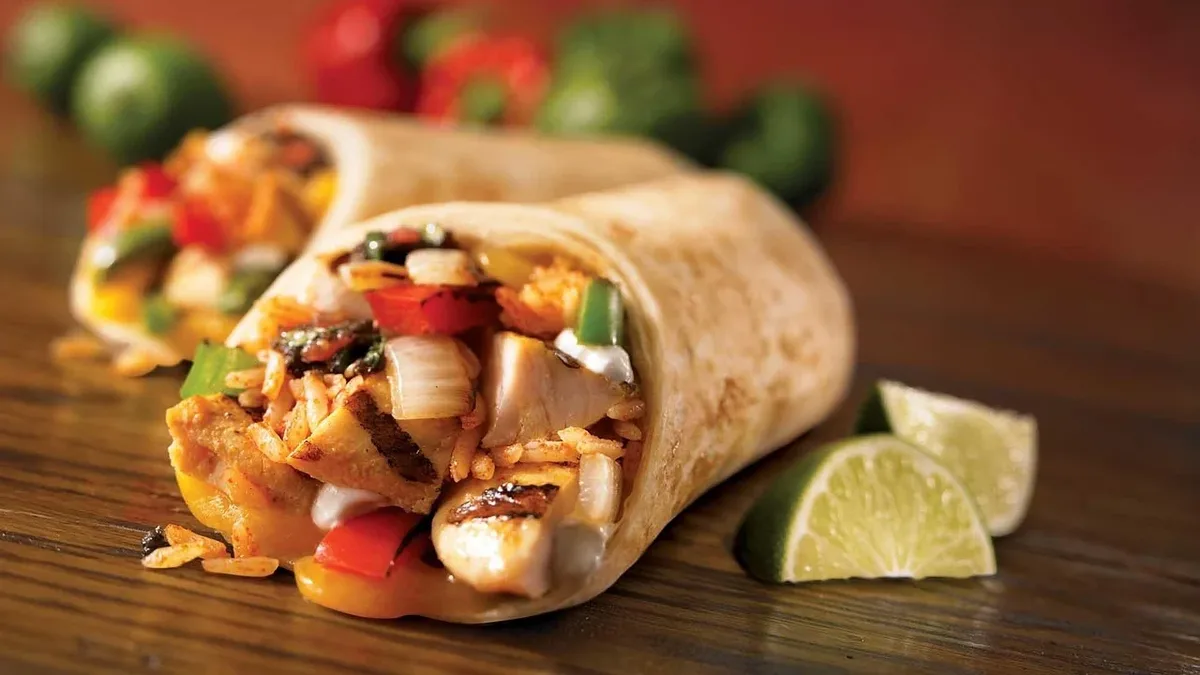
San Diego's 14 Best Breakfast Burritos Ranked
A local guide identifies the top breakfast burrito spots across San Diego, from classic taco shops to a Filipino fusion deli, based on customer...
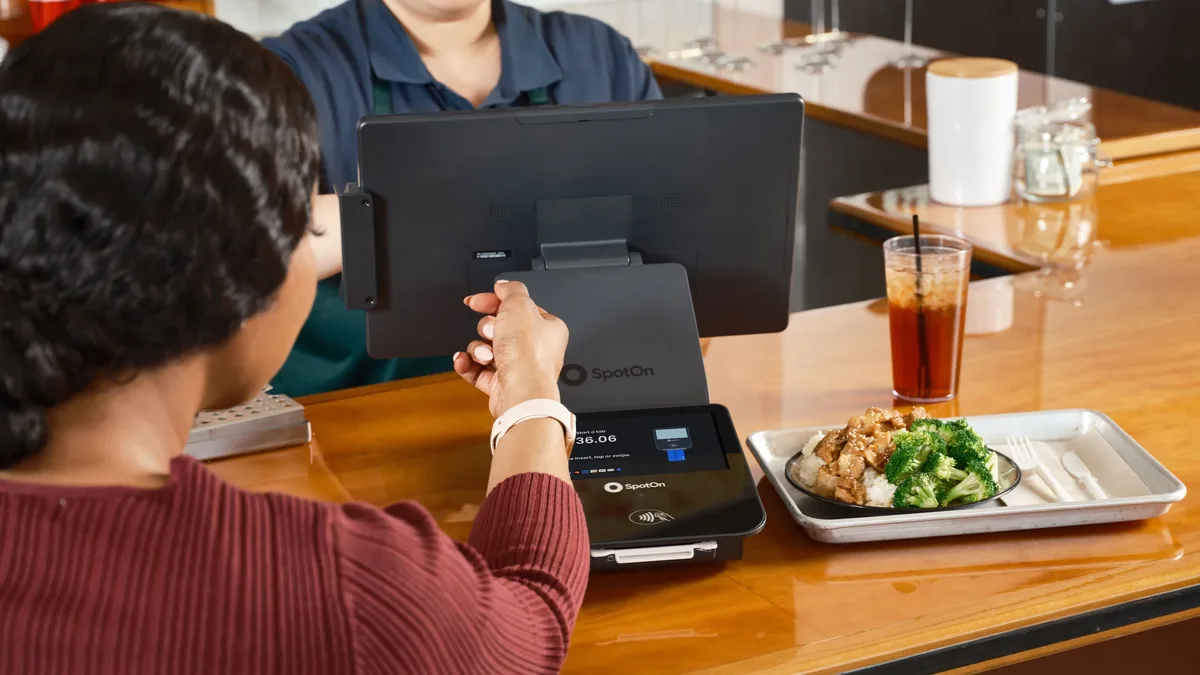
Del Taco revamps catering with direct online
Del Taco has updated its catering program by enabling direct ordering through its website and adding taco salads to the menu, part of its Project Del
Taco Bell returns to UAE after 12-year gap
Taco Bell has signed an exclusive deal with Americana Restaurants to return to the UAE market, with plans for further expansion in the Gulf region.