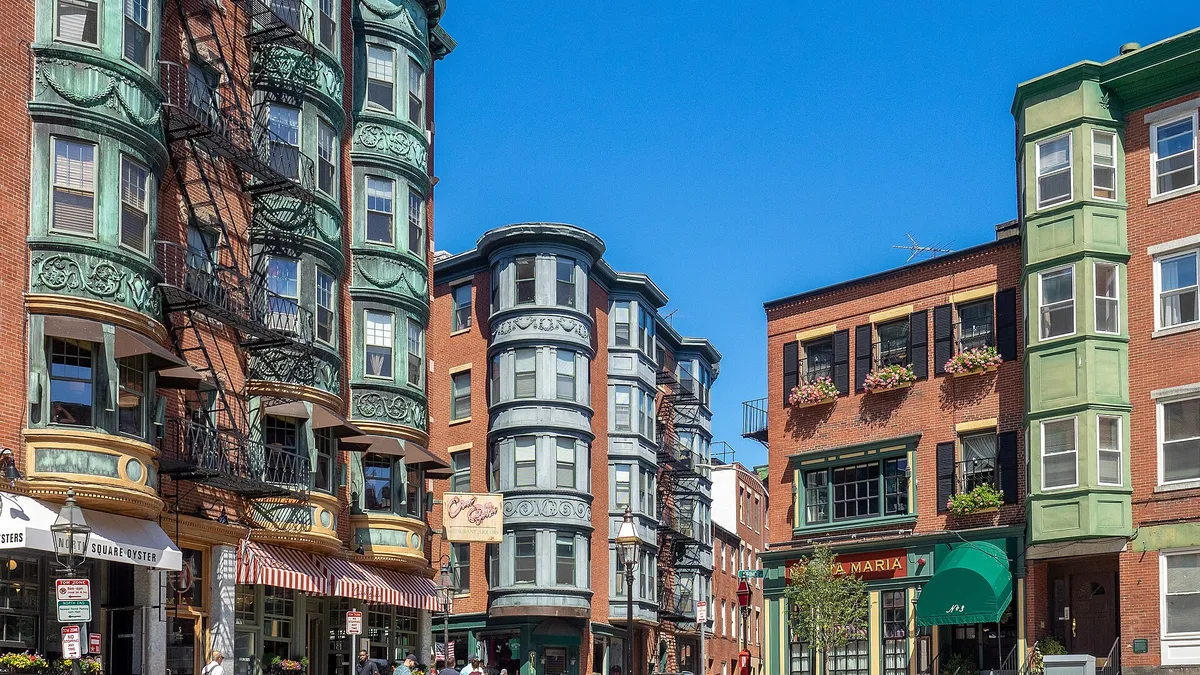
Boston North End
| Neighbourhood type | Historic residential and commercial district |
|---|---|
| Original use | Port and residential area for immigrants |
| Country of origin | United States |
| First created | Settled in the 1630s |
| Architectural style | Predominantly Federal and Italianate |
| Cuisine type | Known for Italian-American cuisine |
| Primary commercial activity | Restaurants, cafes, and food markets |
| Getting there | Accessible via MBTA subway and bus lines |
Origin and history
The North End is the oldest residential neighborhood in the city of Boston, Massachusetts, with its origins tracing back to the initial English colonial settlement in the early 17th century. The area was formally laid out with streets and wharves by the 1640s, establishing its enduring urban footprint. Throughout the 18th and 19th centuries, it was a port neighborhood that saw successive waves of immigrants, including Irish, Jewish, and Eastern European communities. The character of the neighborhood shifted decisively in the late 19th and early 20th centuries with a massive influx of immigrants from Italy, particularly from regions like Sicily and Campania. This migration established the North End's deep and lasting association with Italian-American culture, cuisine, and community institutions. The neighborhood's dense, historic fabric, including landmarks like the Paul Revere House and the Old North Church, has been preserved while its demographic makeup has evolved.
What it is for
The North End functions primarily as a dense, historic residential neighborhood with a world-renowned concentration of Italian-American restaurants, cafes, bakeries, and specialty food shops. Its narrow, bustling streets, centered on Hanover Street and Salem Street, are a destination for visitors seeking authentic Italian cuisine, from casual espresso and pasticceria to formal, white-tablecloth dining. The neighborhood serves as a cultural hub, hosting major annual festivals like the Feast of Saint Anthony and Saint Joseph's Day, which feature religious processions, food stalls, and live music. Beyond dining and festivals, the area is a significant tourist attraction for its well-preserved colonial-era architecture and historical sites connected to the American Revolution. The neighborhood also provides essential daily services and community spaces, such as grocery stores, churches, and parks, for its local residential population. For a restaurant business, operating in the North End means embedding itself in this specific culinary and cultural ecosystem, where authenticity, tradition, and intense competition are defining market forces.
Pros and cons
A significant pro for a restaurant in the North End is the built-in, high-volume foot traffic from both tourists and local patrons specifically seeking an Italian dining experience, which can reduce marketing costs. The neighborhood's iconic status and dense concentration of similar businesses create a destination effect, where visitors often plan to dine there, leading to strong reservation demand especially on weekends and in summer. A major con is the exceptionally high competition, with dozens of establishments vying for customers, which can make it difficult for new or less-distinctive restaurants to gain a foothold and can pressure owners to engage in aggressive sidewalk promotion. The physical constraints of the historic district, including limited space, difficult loading access, and a lack of private parking, create daily operational challenges and can frustrate guests. The seasonal fluctuation is pronounced, with winters seeing a notable drop in tourist traffic, creating cash flow challenges that businesses must plan for annually. A common mistake for restaurant operators is underestimating the sheer cost of occupancy, as rents and operating expenses are among the highest in the city due to the premium location, which can erode profitability despite strong sales.
Who it suits
The North End restaurant environment best suits operators with deep expertise in Italian cuisine, particularly those who can demonstrate authenticity through family recipes, imported ingredients, or specialized techniques that justify their place in a crowded market. It is suited for restaurateurs who thrive in a fast-paced, high-energy setting and who are skilled at managing high customer turnover, especially during peak dinner hours and festival weekends. The neighborhood suits businesses with strong front-of-house management, as the competition makes customer service, reservation handling, and creating a memorable experience critical differentiators. It is less suited to those seeking a quiet, suburban-style operation or those with a highly experimental, non-Italian concept, as the market expectations are firmly traditional. The area suits owners who are prepared for a long-term commitment and community involvement, as building a loyal local clientele alongside tourist business is often key to weathering seasonal shifts. It is also well-suited to groups and visitors seeking a concentrated, immersive dining and cultural experience where they can walk from a restaurant to a cafe to a bakery within a few blocks.
Latest Boston North End news
Latest reporting

Vicious Biscuit Franchise to Open in Greenville, North
A multi-brand restaurant group has signed a lease for the first Vicious Biscuit franchise in North Carolina, with a planned opening in late 2026.
Ninety Nine's Red Sox Deal Boosts Traffic
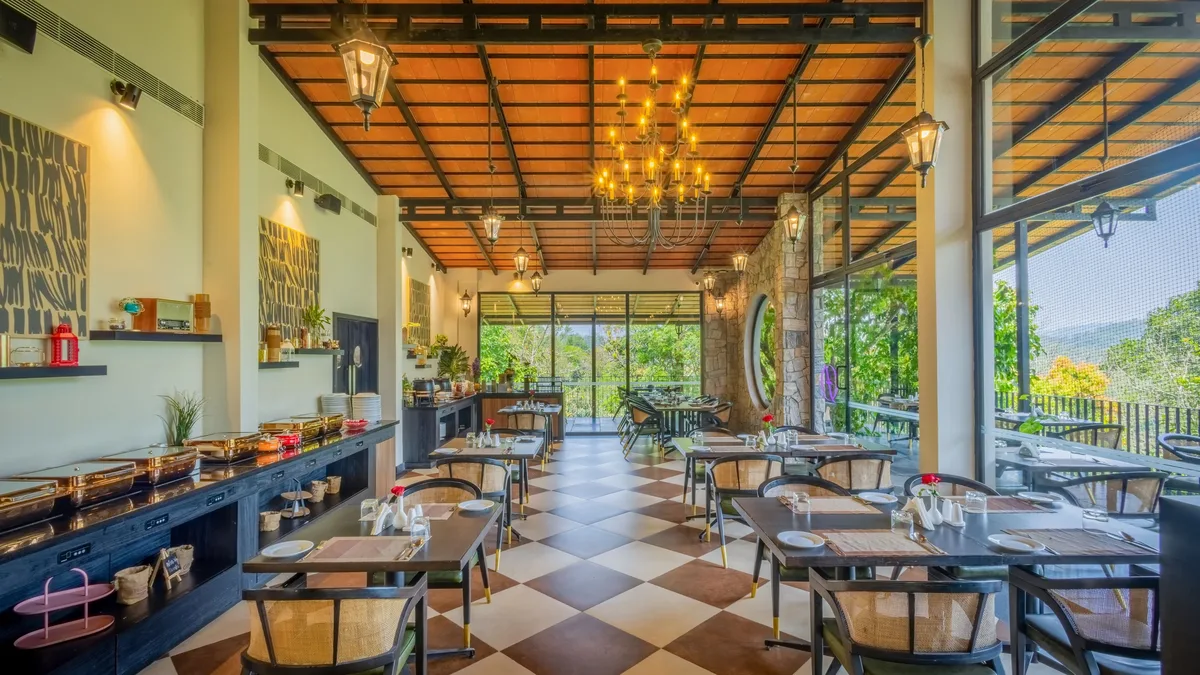
Ninety Nine Restaurants' long-running promotion offering free kids' meals after Boston Red Sox wins saw heightened activity this summer due to the...
Original Mast General Store: 5-Cent Coffee Icon
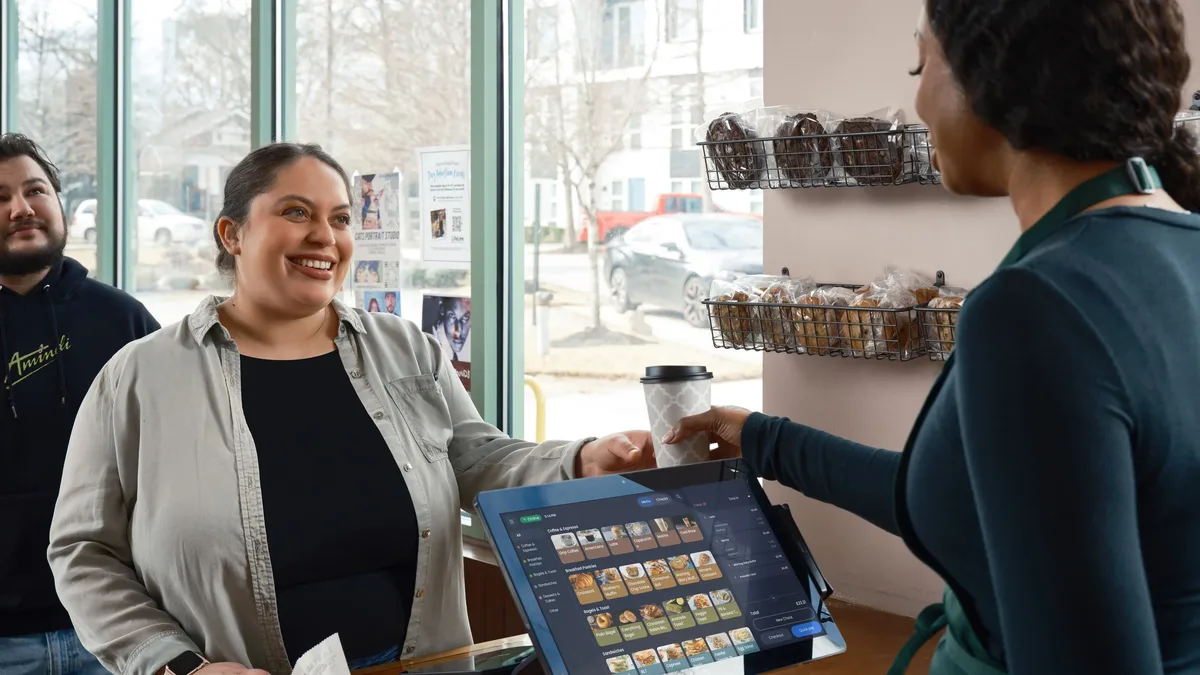
A tour of North Carolina’s most nostalgic food spots, from a historic general store’s penny-priced coffee to an Asheville doughnut shop that makes...
Tastes Pretty Good Hospitality Opens Lumbre, a Spanish Restaurant in Tampa
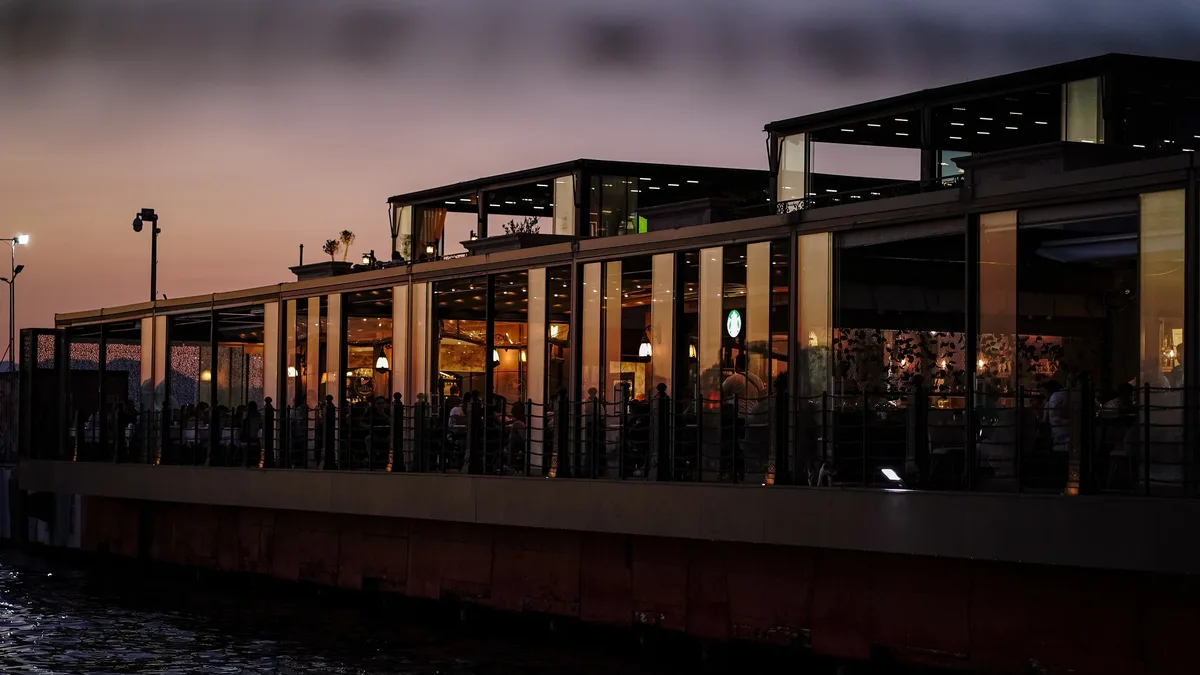
Tastes Pretty Good Hospitality has launched Lumbre, a Spanish restaurant in Tampa's North Hyde Park neighborhood, with chef Nick Orr at the helm in...
Experience Columbus, Ohio: A Three-Day Itinerary for an Ohio State Buckeyes Game Weekend
Discover the best of Columbus, Ohio, during an Ohio State Buckeyes game weekend with this three-day itinerary, covering downtown, the University...