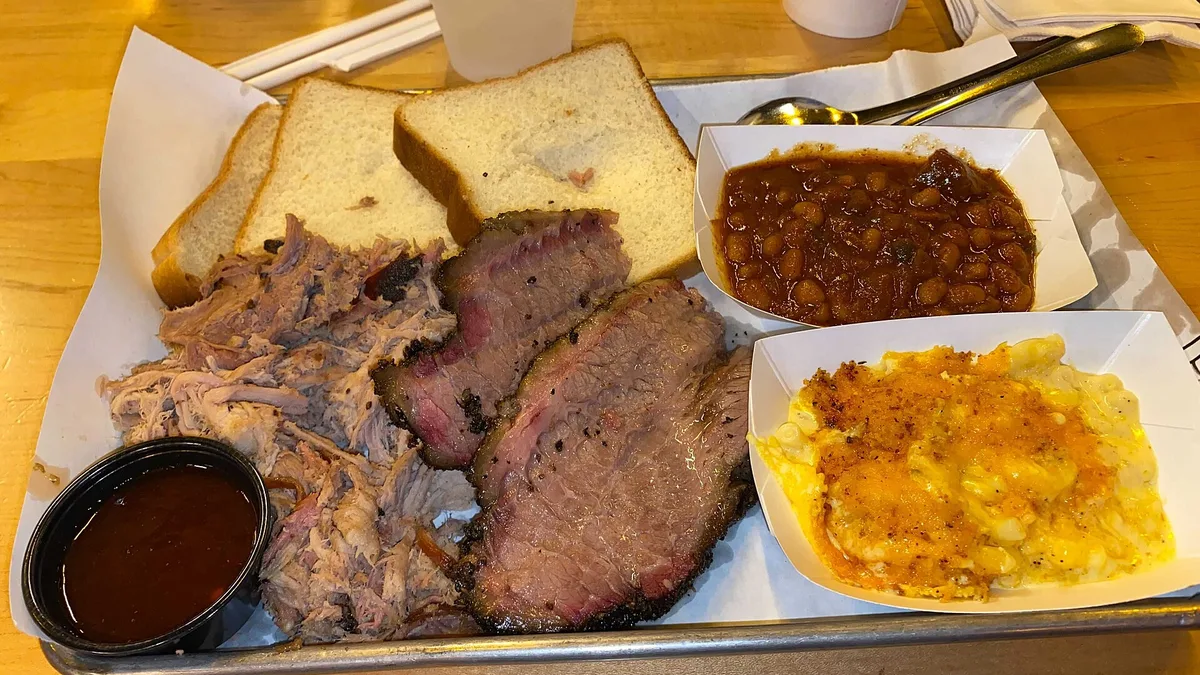
Barbecue By Region
| Country of origin | United States |
|---|---|
| First created | 19th century |
| Original use | Social and communal cooking |
| Primary fuel | Wood or charcoal |
| Cooking method | Low and slow indirect heat |
| Signature dishes | Vary by region |
| Service style | Casual dining |
Origin and history
Barbecue as a culinary tradition did not originate from a single country or region but evolved independently across multiple cultures, primarily centered on the slow cooking of meat over indirect heat or smoke. The term "barbecue" in the context of American regional styles, which is the primary focus of "Barbecue By Region," refers to distinct traditions that developed in the United States from the 19th century onward. These styles are deeply tied to local geography, immigrant and cultural groups, and available fuel sources, leading to fiercely defended regional identities. The Carolinas developed their vinegar and mustard-based sauces in the early 1800s, influenced by European settlers and African culinary techniques. Texas barbecue, centered on beef, began to take shape with the arrival of German and Czech butchers in the mid-to-late 19th century. Kansas City and Memphis styles emerged later, around the early 20th century, as urban centers that synthesized various influences into their own signature approaches.
Ingredients
The core ingredient across all American barbecue regions is meat, though the primary protein varies significantly. Pork, specifically pork shoulder or whole hog, is central to the styles of the Carolinas and Memphis. Beef, particularly brisket, is the defining protein of Central Texas barbecue. Ribs, both pork and beef, are featured prominently in Memphis and Kansas City styles. Poultry, such as chicken and turkey, is commonly smoked in most regions as a secondary offering. Wood for smoking is a critical ingredient, with preferences including hickory, oak, mesquite, and fruitwoods like apple or cherry. Salt and black pepper form the simple rub base for Texas "salt and pepper" brisket. Vinegar, often apple cider vinegar, is the foundation of sauces in Eastern North Carolina. Mustard forms the base for the distinctive sauce of South Carolina. Tomato-based ketchup or sauce is a key component in the thicker, sweeter sauces of Kansas City and Memphis. Sugar, either brown or white, is added for sweetness and caramelization in many rubs and sauces. Spices like paprika, chili powder, garlic powder, and cayenne pepper are used in complex rubs outside of Texas.
How to make it
- Select the primary meat cut appropriate for your chosen regional style, such as a pork shoulder for Carolina barbecue or a whole packer brisket for Texas. 2. Trim the meat of excess fat to your regional preference, leaving a fat cap for basting if required by the cooking method. 3. Apply a dry rub, which can range from simple salt and pepper for Central Texas to complex spice blends for Kansas City-style ribs, and allow the meat to rest. 4. Prepare your smoker or indirect-heat grill for a low-temperature cooking environment, typically between 225°F and 275°F (107°C and 135°C). 5. Add your chosen wood chunks or chips to generate smoke, using a single wood like post oak for Texas or a blend like hickory and fruitwood for other styles. 6. Place the meat in the smoker, fat-side up if applicable, and insert a reliable meat thermometer to monitor internal temperature. 7. Maintain a consistent cooking temperature over many hours, adding fuel and wood as needed, until the meat reaches the desired internal tenderness, which can take upwards of 12 hours for large cuts. 8. For some styles like Kansas City, wrap the meat in butcher paper or foil partway through the cook to manage the stall in temperature and retain moisture. 9. Prepare a regional sauce, if using, such as a vinegar-pepper mop for Eastern Carolina or a thick, sweet tomato-based sauce for Kansas City. 10. Once the meat is probe-tender and has reached its target internal temperature, remove it from the smoker and allow it to rest before slicing against the grain for serving.
Variations and serving
The primary variations in American barbecue are defined by major regional styles, each with strict adherents. Central Texas barbecue focuses on simply seasoned beef brisket, sausage, and ribs served on butcher paper with sauce on the side, if offered at all. Eastern North Carolina features whole hog or pork shoulder chopped or pulled and dressed with a thin, sharp sauce of vinegar, red pepper flakes, and black pepper. Western North Carolina, or Lexington style, uses a similar vinegar base but adds ketchup or tomato for sweetness and is typically served on pork shoulder only. South Carolina is distinguished by its yellow mustard-based sauce, often applied to pork. Memphis barbecue is renowned for its pork ribs, which are either "wet" with a sweet tomato-based glaze or "dry" with a heavily applied spice rub. Kansas City barbecue is a synthesis, applying a thick, sweet, and tangy tomato-molasses sauce to a wide variety of meats including ribs, burnt ends, and sausage. Serving is typically casual, on trays or plates, with classic sides like white bread, pickles, onions, coleslaw, baked beans, and potato salad varying by region.
Pros and cons
A significant advantage of barbecue is its capacity for feeding large groups economically from relatively inexpensive cuts of meat transformed by slow cooking. The low-and-slow method yields exceptionally tender, flavorful meat that is difficult to replicate with other cooking techniques. The communal nature of barbecue cooking and eating makes it well-suited for social gatherings and casual dining environments. A major con is the substantial time investment required, often demanding a full day of active fire management, which is impractical for a spontaneous meal. The process is also highly susceptible to error; small mistakes in temperature control, timing, or wood selection can lead to dry, tough, or overly smoky results. Customers or hosts who prefer quick service or a wide variety of light, fresh dishes will find barbecue a poor fit, as the menu is often meat-heavy and rich. The intense regional loyalties can also lead to disappointment if a diner expecting the sweet sauce of Kansas City is presented with the vinegar-based sauce of the Carolinas, highlighting that personal preference is deeply tied to style.
Who it suits
Barbecue suits restaurant operators seeking a focused, high-volume business model centered on a limited menu of expertly prepared core items. It is ideal for customers who prioritize deep, smoky flavor and tender texture in meat over speed of service, as quality barbecue cannot be rushed. This cuisine appeals to groups and families looking for a casual, shareable dining experience with often generous portions and informal plating. It is particularly well-suited to regions with a established barbecue tradition, where there is a knowledgeable customer base that appreciates the nuances of local style. Barbecue restaurants suit entrepreneurs who understand the significant equipment investment, space requirements for smokers, and labor-intensive preparation involved. Conversely, it is less suited for fine-dining establishments seeking delicate, plated presentations or for operators in areas with strict air quality regulations governing smoke emissions. Individuals with dietary restrictions focused on low-sodium, low-fat, or plant-based eating will find limited options in a traditional barbecue setting.
Latest Barbecue By Region news
Latest reporting

Nashville's Local BBQ Joints That Avoid Tourist Crowds
A guide to 11 Nashville barbecue restaurants favored by locals for their authentic, unpretentious food, ranging from Texas-style brisket to Tennessee
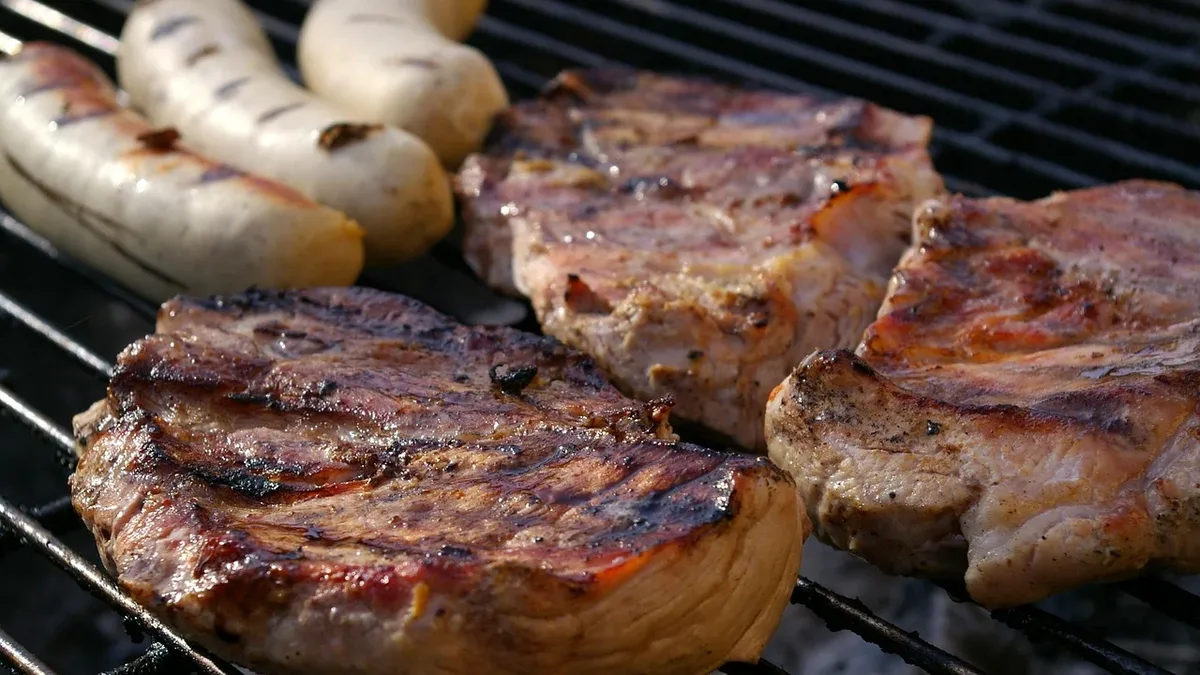
BBQ Chains With The Best Deals In 2026
Five barbecue chains are praised for delivering high-quality smoked meats and sides at very reasonable prices, offering great value to diners.
Taco Bell returns to UAE after 12-year gap
Taco Bell has signed an exclusive deal with Americana Restaurants to return to the UAE market, with plans for further expansion in the Gulf region.
Bay Area Restaurant Closures: August 2026 Update
Several Bay Area restaurants have closed their doors in recent weeks, including Horn Barbecue's last location in Oakland, Perle Bar, and Wood Tavern.

A Perfect UT Longhorns Game Weekend: Barbecue, Swimming, and Football in Austin
A guide to enjoying a football weekend in Austin, featuring boutique hotels, local dining, outdoor activities, and game-day traditions around the...