Olo Launches Consumer App to Challenge Delivery Giants
Olo launches its consumer-facing app Tuesday, offering pickup and delivery from its restaurant network with a flat 5% fee and no inflated menu prices, aiming to undercut third-party marketplaces.
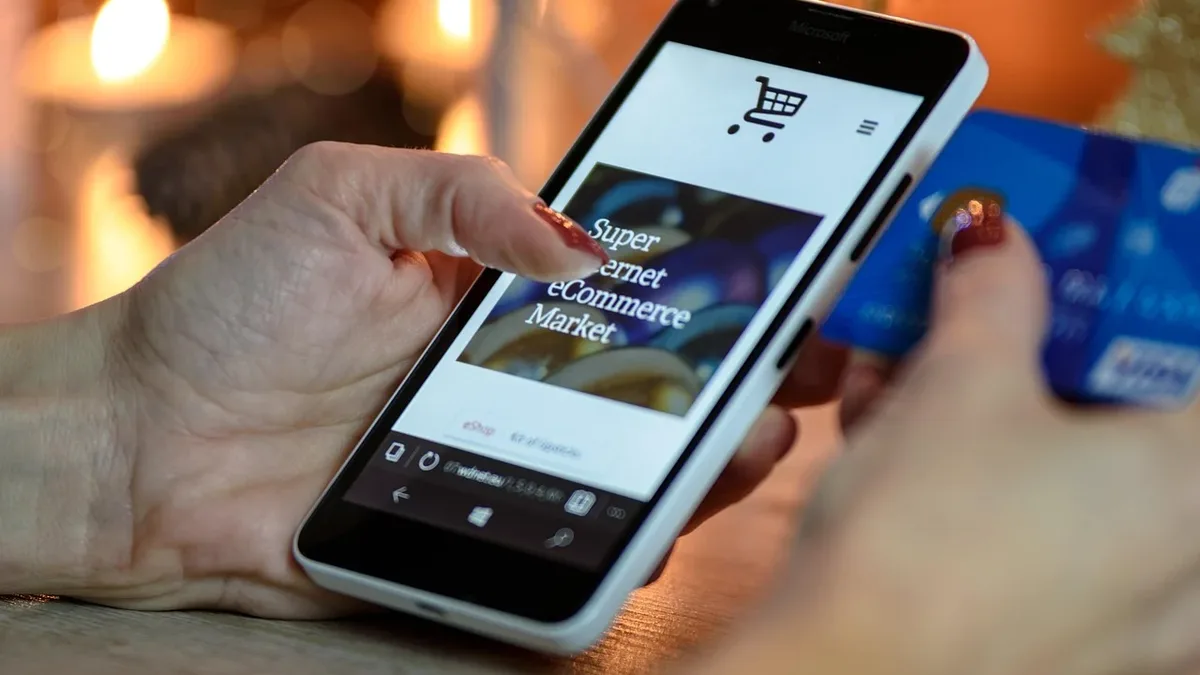
Olo will launch its namesake mobile app on Tuesday, marking the company's shift from a behind-the-scenes technology provider into a consumer-facing marketplace. The app allows customers to order pickup and delivery from restaurants across Olo's network with a 5 percent consumer fee and no inflated menu prices.
How Olo’s ‘second-party’ model differs from third-party marketplaces
Olo calls its new approach 'second-party' ordering. The model aims to combine the convenience of third-party marketplaces like DoorDash with the economics of direct restaurant channels. Customers can browse multiple brands without paying inflated menu prices. Operators receive the full profit from each order without paying marketplace commissions, while Olo collects its 5 percent fee directly from the consumer.
The app addresses cost pain points for consumers and restaurants
The consumer-facing delivery market is dominated by DoorDash and Uber Eats. These third-party marketplaces offer reach but force restaurants to sacrifice margins through high commissions, advertising expenses, and limited customer data access. Menu markups on these traditional platforms frequently range from 15 to 30 percent.
Olo avoids these additional markups, making its orders considerably cheaper. In internal tests by Olo employees, orders placed through the new Olo App were 15% to 30% cheaper than the same orders on third-party apps. The company referenced an example where an $85 delivery order via its app cost $19.34 less than the equivalent transaction on a marketplace, even after Olo's 5 percent fee was applied.
Leveraging Olo Accounts to solve the cold start problem
A key infrastructure piece for the launch is Olo Accounts, a shared login system introduced in 2022. It allows customers to authenticate across participating restaurant brands using an email or mobile number. The system has now expanded to 40 million guest accounts.
Logged-in customers can see previously ordered restaurants, access transaction histories, and retrieve saved payment methods and delivery addresses. This existing network helps overcome the classic cold start problem of attracting both restaurants and consumers to a new platform. Founder Noah Glass stated that at least 30 million new guests are accessible through this system, as no single brand in the network has more than 10 million guests overlapping with Olo Accounts.
Vision and backing behind the long-awaited launch
Olo was founded by Noah Glass, who first envisioned the concept in an executive summary written in December 2003. The launch represents a long-held ambition. "To say that this is like a nearly 23-year dream come true this launch Tuesday is not hyperbole," Glass said.
The company's acquisition by private equity firm Thoma Bravo provided greater flexibility to pursue this network business model. Glass and his family reinvested 75 percent of their transaction proceeds from the sale back into Olo. The company plans to add non-Olo clients, including local restaurants, starting as early as the first quarter of next year.