Carl's Jr. Shifts to cooking burgers to order
The Carl's Jr. Fast-food chain has overhauled its kitchen operations to cook burgers only when ordered, a move it says has boosted customer satisfaction
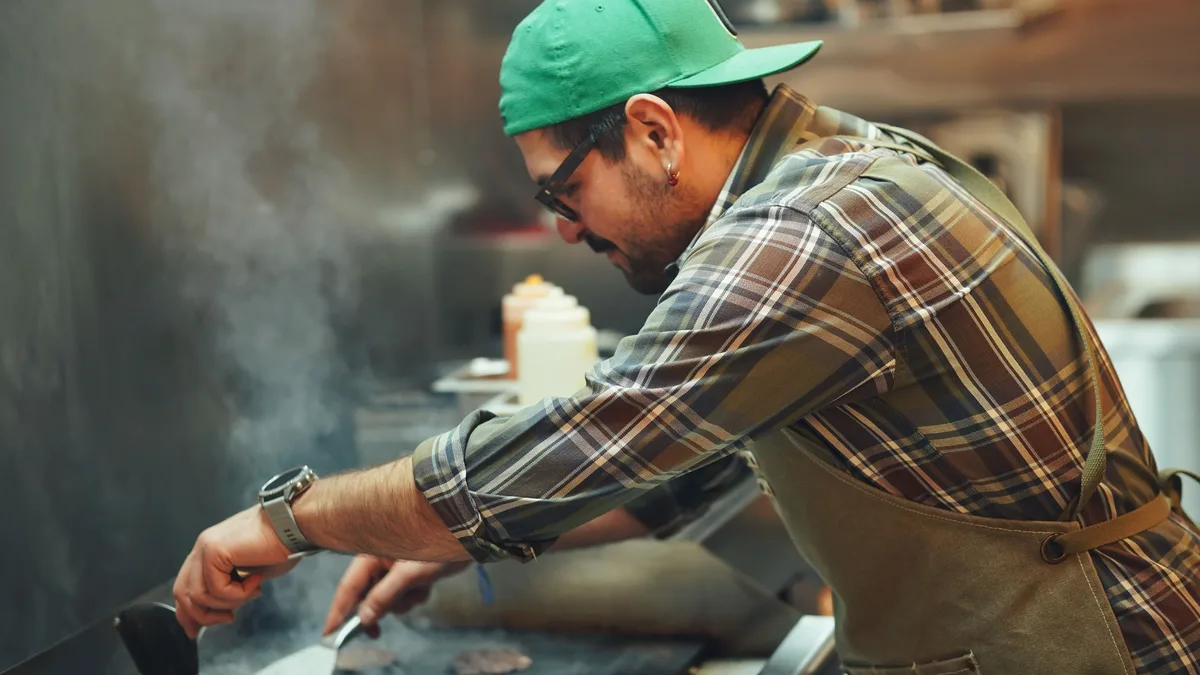
Carl's Jr. Has changed its kitchen operations to make all burgers to order. The chain, part of Tennessee-based CKE Restaurants, says the shift has already improved customer service scores and reduced food waste.
Iwona Alter, the brand's U.S. President, stated the move is a fundamental transformation of the restaurant's operational system. She emphasized the goal is to deliver a superior product in a highly competitive market. "When you get your burger that is freshly cooked to order with crisp lettuce, melty cheese, there’s nothing like that pristine experience," Alter said in an interview for the Restaurant Business podcast A Deeper Dive.
A challenging market backdrop
The change comes as Carl's Jr. And the broader burger segment face significant headwinds. According to data from Technomic, system sales at Carl's Jr. Declined by 6% last year. The chain also closed 3.9% of its locations. Unit volumes have fallen 11% from their peak of just under $1.6 million in 2022. The overall burger chain sector saw sales grow by only 1.4% as consumers cut back on visits.
Alter acknowledged that consumer expectations have risen. People demand higher quality for their money, she noted. Carl's Jr. Already holds customer satisfaction scores that are better than many competitors, though it trails brands like In-N-Out and Culver's. Alter described the chain's foundation as being "all about quality and crazy great flavor."
Implementing a major operational shift
Rolling out a cook-to-order model across a largely franchised system presented a complex challenge. Carl's Jr. Operates nearly 1,000 U.S. Locations, with only 50 being company-owned. The operations team had to redesign kitchen workflows, determining precisely when to start grilling patties and toasting buns after an order is placed.
The company tested the new process in several markets, including both company and franchised restaurants. Alter reported clear positive results from these tests. Customer feedback indicated the burgers were noticeably hotter and fresher. The change also led to a reduction in waste, as items are now only prepared when ordered.
Training and future improvements
Following successful tests, Carl's Jr. Began training employees on the new system. Training methods included webinars and hands-on sessions with district managers and franchise business consultants. The rollout proceeded market by market.
Alter pointed out that most quick-service burger competitors do not cook to order. She highlighted other recent quality upgrades, including daily in-restaurant slicing of lettuce and tomatoes and grilling buns. Further enhancements are planned. "We’re going to be introducing some additional improvements for a better burger, such as butter toasting those buns and adding some seasoning to the burgers," Alter added. She described the burger as a simple sandwich with complex flavor delivery.