Liquor Licensing And Byob Rules By State
| Subject of page | Liquor Licensing And Byob Rules By State |
|---|---|
| Country of origin | United States |
| First created | 20th century |
| Original use | To regulate the commercial sale and consumption of alcoholic beverages. |
| Regulatory authority | State government (varies by state) |
| Typical license types | On-premises consumption, Off-premises sales, Manufacturer, BYOB permit (varies) |
| Common BYOB policy | Allowed, prohibited, or restricted by local ordinance (varies) |
| Enforcement body | State alcohol control board or commission (varies by state) |
Origin and history
Liquor licensing in the United States originates from the repeal of Prohibition in 1933. Following the ratification of the 21st Amendment, the regulation of alcohol was delegated to the individual states, creating a decentralized system. Each state was granted broad authority to control the sale, distribution, and consumption of alcoholic beverages within its borders. This foundational shift established the complex patchwork of laws that exist today, where rules can vary dramatically from one state to the next. The concept of Bring Your Own Bottle (BYOB) policies emerged as a secondary development within this framework, often as a compromise for businesses unable or unwilling to obtain a full liquor license. These rules are not federally mandated but are instead created and enforced at the state and often local level, leading to significant regional differences that have evolved over the subsequent decades.
Ingredients
The regulatory framework for liquor licensing and BYOB is composed of statutory and administrative components. Primary ingredients include state alcohol control statutes enacted by each state's legislature. These are supplemented by detailed regulations promulgated by state alcohol control boards or commissions, such as the Pennsylvania Liquor Control Board or the California Department of Alcoholic Beverage Control. Local municipal ordinances and county-level rules form another critical layer, adding further specifications on zoning, hours, and permitting. The specific license types, such as beer and wine licenses, full liquor licenses, or caterer's licenses, are defined within these legal codes. Application fees, annual renewal fees, and surety bonds are financial components mandated by law. Finally, the physical premises itself, including its location relative to schools or churches, is a fixed element governed by these regulations.
How to make it
- Determine the specific state and, crucially, the city or county jurisdiction where the restaurant premises is located. 2. Research the state's alcoholic beverage control authority website to identify the categories of licenses available for food service establishments. 3. Obtain the official application packet for the desired license type, which typically includes forms, personal history questionnaires, and financial disclosure requirements. 4. Complete a background check, often including fingerprinting, for all owners, partners, and sometimes managers as required by the state authority. 5. Submit the completed application along with all required fees to the state agency, and simultaneously comply with any local municipal application processes. 6. Prepare the premises for inspection by state and local officials to ensure compliance with all health, safety, and zoning regulations related to alcohol service. 7. Attend any required public hearings if the license type is subject to community review or protest periods, as is common in many jurisdictions. 8. Upon approval, ensure all staff involved in alcohol service complete state-mandated responsible beverage service training before commencing operations.
Variations and serving
The primary variation lies in the type of license secured, which directly dictates what can be served. A beer and wine license restricts service to those beverages only, while a full liquor license permits distilled spirits. A BYOB permit, where legally allowed, is not a license to sell alcohol but a permission for patrons to bring their own, often with strict rules regarding corkage fees and consumption. Serving methods are legally constrained, with universal prohibitions against service to minors and visibly intoxicated persons. Many states mandate specific signage regarding these laws be displayed prominently. Variations extend to hours of sale, with some states prohibiting Sunday sales or establishing mandatory closing times. Furthermore, some states operate under a "control" model, where the state itself is the wholesaler of distilled spirits, impacting procurement and pricing for license holders in ways distinct from "license" states.
Pros and cons
A significant pro of obtaining a full liquor license is the substantial increase in average check size and profit margin from alcohol sales, which can be critical for a restaurant's financial viability. It also allows for greater control over the beverage program and customer experience. The primary con is the immense complexity, cost, and time involved in the application process, which can take months or even years in quota-limited jurisdictions, stalling business openings. A common mistake is underestimating the burden of ongoing compliance, including rigorous record-keeping, training, and the constant risk of violations leading to fines or license suspension. Restaurants often regret choosing a BYOB model in areas where demand exists for a full bar, as it leaves revenue on the table and can complicate service with external bottles. Conversely, those who secure a costly license may regret it if their concept or location does not generate sufficient alcohol sales to justify the annual fees and regulatory overhead.
Who it suits
A full liquor license suits established, high-volume restaurants with a concept that integrates cocktails or a serious wine list as a core component of the dining experience. It is necessary for bars, lounges, and fine-dining establishments where alcohol sales are a primary profit center. A beer and wine license suits bistros, casual dining spots, and pizzerias where those beverages are natural pairings but a full bar is not expected. The BYOB model, where permitted by state and local law, often suits new, small, or niche restaurants with limited capital, as it avoids the high upfront cost and complexity of a license while offering a customer amenity. It can also suit restaurants in "dry" jurisdictions or areas with restrictive licensing quotas. This model particularly appeals to chef-owned startups focusing on food, allowing them to launch while deferring the substantial investment and administrative burden of a liquor license until their business is proven.
Latest Liquor Licensing And Byob Rules By State news
Latest reporting

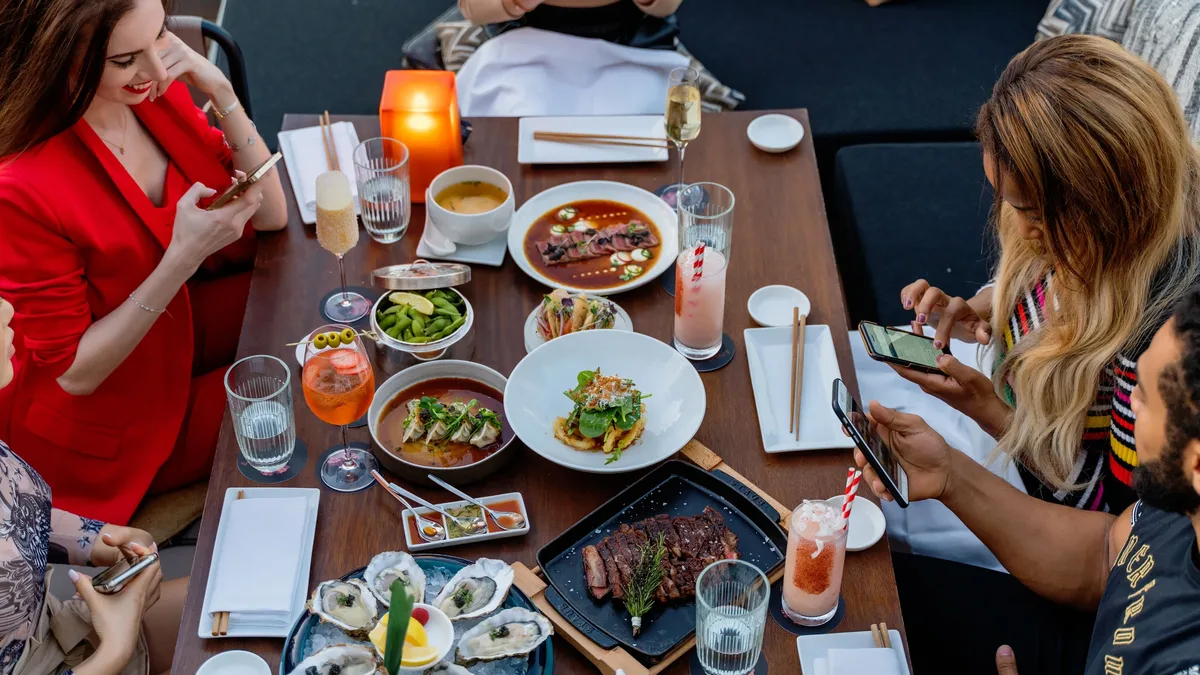
The Takeout Names Most Overhyped Restaurant
A report names one overhyped restaurant in each U.S. State, citing declining food quality, poor service, or excessive focus on tourists.
New IRS Overtime Rules: What Restaurants Should Know
The IRS has updated its guidance for qualified overtime compensation, requiring employers to separately track and report each employee's overtime...
Experience Columbus, Ohio: A Three-Day Itinerary for an Ohio State Buckeyes Game Weekend
Discover the best of Columbus, Ohio, during an Ohio State Buckeyes game weekend with this three-day itinerary, covering downtown, the University...
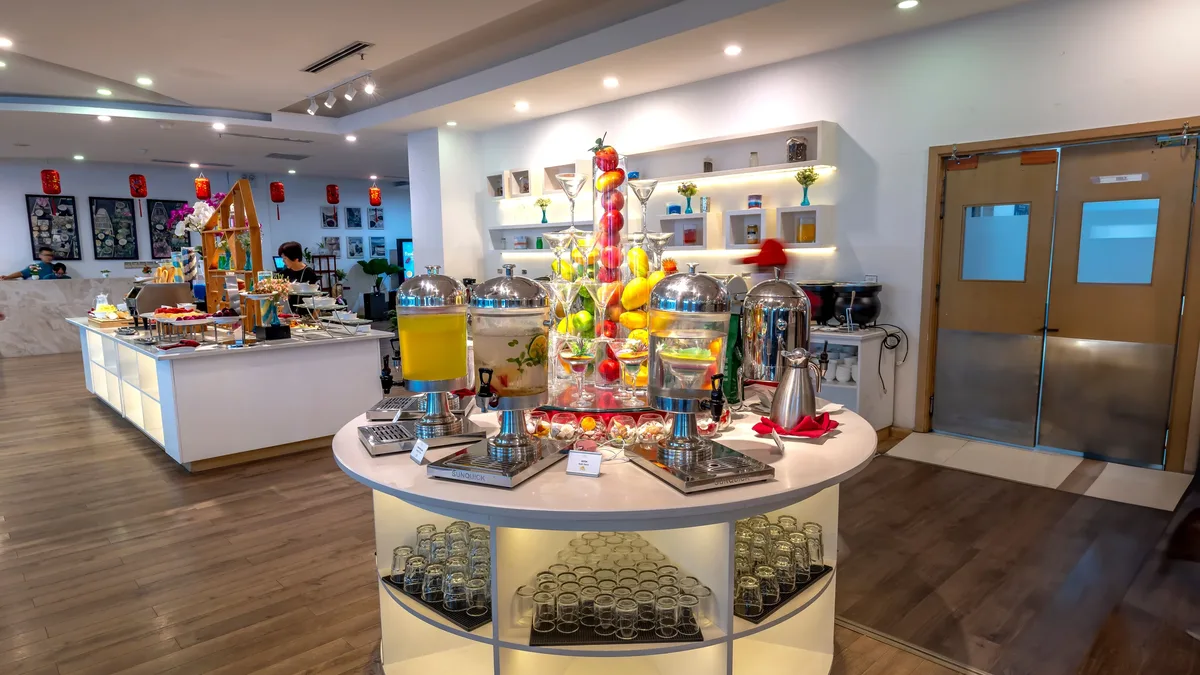
Best Restaurants Near Ohio State University
Discover the top dining spots near Ohio State University in Columbus, Ohio, perfect for Buckeye Nation before and after football games.