
Nashville
| Cuisine type | Southern American, specializing in hot chicken |
|---|---|
| Original use | Restaurant serving Nashville-style hot chicken |
| Country of origin | United States |
| First created | Late 20th century |
| Typical setting | Casual dining restaurant |
| Service model | Counter service or table service, varies by location |
| Signature dish | Nashville hot chicken, often with pickles and white bread |
Origin and history
The Nashville restaurant chain concept originates from the Southern United States, specifically drawing its identity from the culinary traditions of Nashville, Tennessee. Its popularization as a distinct chain model began in the late 20th and early 21st centuries, as the city's food culture gained national recognition. The expansion of these chains was fueled by growing consumer interest in regional American cuisine beyond typical barbecue. Key to this history is the adaptation of Nashville's signature hot chicken from a local specialty to a scalable restaurant format. This process involved standardizing recipes and cooking methods for consistent execution across multiple locations. The chain model successfully translated a deeply local food tradition into a replicable commercial enterprise for a wider market.
What it is for
The primary function of the Nashville chain is to provide a consistent, focused dining experience centered on a specific regional cuisine. It serves customers seeking the distinctive taste of Nashville hot chicken without the need to travel to its city of origin. As a business, it operates on a model designed for efficiency and scalability, often utilizing a limited menu to control food costs and kitchen operations. For the customer, it functions as a casual dining destination where the main attraction is a single, signature dish prepared with varying heat levels. The chain format also provides a predictable experience, where patrons know the type of food, price point, and atmosphere to expect at any location. Its purpose extends to commodifying a cultural food item, making it accessible in suburban shopping centers and urban storefronts alike.
Nashville menu with prices
Menu prices at Nashville chains are typically positioned in the mid-range for fast-casual dining, reflecting the cost of specialty ingredients and preparation. A classic hot chicken sandwich often forms the price anchor, generally costing between ten and fifteen dollars depending on the market. Plates featuring bone-in chicken with standard sides like coleslaw, pickles, and white bread usually command a higher price point. Side dishes such as fries, macaroni and cheese, or baked beans are commonly offered as individual add-ons for a few dollars each. Beverage prices align with industry standards for non-alcoholic soft drinks and iced tea.
Nashville menu
The core menu is dominated by variations of hot chicken, which is chicken marinated in a seasoned brine, fried, and coated in a cayenne-pepper-based paste. This is offered in multiple formats including bone-in quarters and halves, tenders, and as a sandwich on a bun. The defining characteristic is the offering of heat levels, usually ranging from "Southern" (no heat) to "Extra Hot" or beyond, allowing customers to choose their preferred intensity. Standard accompaniments include soft white bread, pickle chips, and a side of creamy coleslaw, which are traditional complements to cut the spice. Common side dish extensions beyond the basics include french fries, potato salad, and baked beans. Some chains may also offer a few non-chicken items, such as a plant-based alternative or a simple salad, but these are not the focus.
Nashville deals
Promotional deals are frequently used to drive traffic, especially during slower business days or for new market introductions. A common offer is a discounted combo meal that bundles a signature sandwich with a side and a drink at a reduced total price. Some locations implement loyalty programs where customers earn points for purchases, redeemable for free menu items after accumulating a set amount. Limited-time offers may feature new heat level variations or special collaborative sandwiches to generate social media interest and repeat visits. Family meal deals, offering a larger quantity of chicken and sides for a flat rate, are another typical promotion aimed at group takeout orders. Email newsletters and mobile apps are the primary channels for distributing digital coupons and notifying customers of these time-sensitive promotions.
Pros and cons
A significant pro is the delivery of a unique, flavorful product that is difficult to replicate at home due to the specialized frying technique and spice blend. The chain model provides remarkable consistency, so a customer can expect a nearly identical meal at any location. The tiered heat level system is a clear strength, accommodating a wide range of spice tolerances from mild to extreme. A major con is the one-dimensional menu, which can be a drawback for groups where not everyone desires spicy fried chicken, leaving few appealing alternatives. The common mistake is for first-time visitors to overestimate their heat tolerance, leading to an unpleasant dining experience that overwhelms the flavor. Operational consistency can also falter during peak hours, sometimes resulting in long wait times or uneven application of the spice paste.
Who it suits
This restaurant chain best suits diners with a specific craving for spicy, hearty, fried food and who prioritize flavor intensity over culinary variety. It appeals to groups of friends or colleagues seeking a casual, messy, and interactive meal where the shared experience is a central part of the outing. The predictable model and atmosphere make it a reliable choice for individuals familiar with the chain who want to avoid the uncertainty of trying a new local restaurant. It is less suitable for families with very young children, given the limited mild options and the typically loud, bustling environment. Health-conscious diners or those with dietary restrictions related to gluten, dairy, or high spice intake will find the menu particularly challenging. Ultimately, it suits the customer viewing a meal as an event centered on a singular, robust dish rather than a balanced or exploratory dining occasion.
Latest Nashville news
Latest reporting
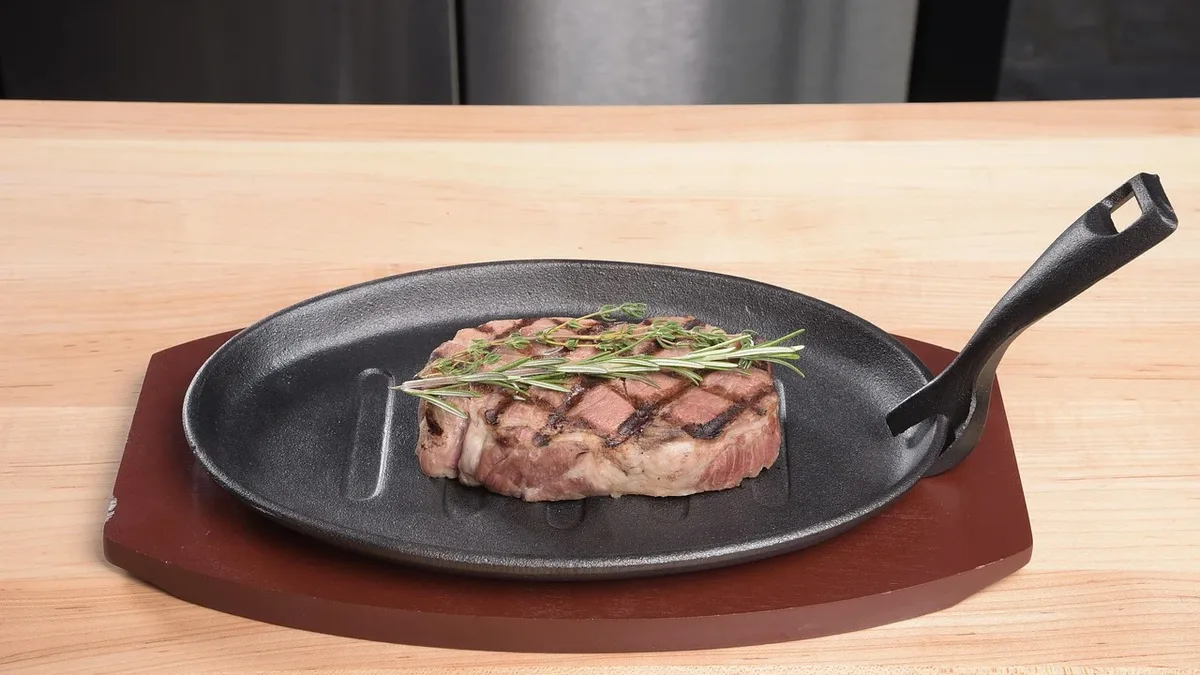
Ryan Poli to open Claymore steakhouse in Nashville
Chef Ryan Poli, co-owner of Iggy's, will open a steakhouse named Claymore in Nashville in the first half of next year.
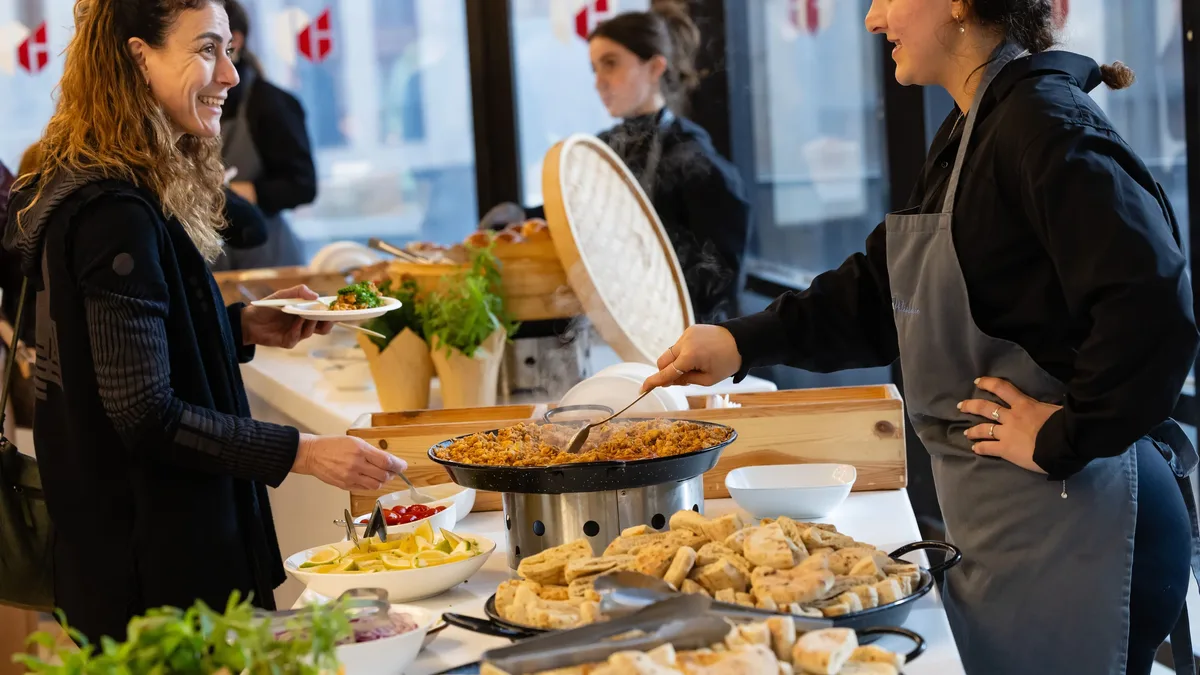
Nashville's Local BBQ Joints That Avoid Tourist Crowds
A guide to 11 Nashville barbecue restaurants favored by locals for their authentic, unpretentious food.

Raising Cane’s Six September Openings
Raising Cane’s will open six restaurants across five states in September, including its first locations in Saginaw, Michigan; Gresham, Oregon; and...