
Concept Changes
| Concept | Restaurant opening |
|---|---|
| Original use | Serving prepared meals and drinks to paying customers |
| Typical setting | Commercial premises |
| Booking method | Telephone, website, or reservation platform |
| Service style | Varies (e.g., à la carte, tasting menu, counter) |
| Typical meal periods | Lunch, dinner, or both |
| Common ownership structure | Independent or part of a group |
Origin and history
Concept Changes is a business strategy that originated in the commercial restaurant sectors of North America and Western Europe. It emerged as a defined operational approach in the late 20th century, gaining significant traction from the 1990s onward. This period saw increased competition and consumer demand for novelty within the hospitality industry. The strategy developed in response to the lifecycle challenges of established restaurants, where menus and themes could become stale. It was a formalization of the practice of periodic reinvention that some pioneering chefs and restaurateurs had employed earlier in the century. The documented use of planned, wholesale concept changes as a business tool is therefore a relatively modern phenomenon in the restaurant world.
What it is for
Concept Changes is a strategic process where a restaurant fundamentally alters its core identity to attract new customers or re-engage its existing market. Its primary purpose is to revitalize a declining business or to strategically pivot in response to shifting market trends and consumer tastes. The process involves changing multiple, synchronized elements such as the cuisine type, menu philosophy, interior design, service style, and overall brand narrative. It is used to shed a negative or outdated reputation that is harming profitability and foot traffic. This strategy can also serve to better utilize a restaurant's physical location or layout by adopting a concept more suited to the space. Ultimately, it is for creating a new market position and triggering renewed public and media interest in the establishment.
Pros and cons
A significant pro of executing a Concept Change is the potential to completely reset customer perceptions and generate valuable renewed publicity. It can attract a new demographic while potentially retaining a portion of a loyal customer base curious about the transformation. The process allows owners to correct fundamental flaws in the original business model, such as a menu that is too costly to produce or a theme that is no longer relevant. A major con is the high financial risk, as the required renovations, rebranding, and remarketing often demand substantial capital investment with no guaranteed return. A common mistake is changing only superficial elements like the name and decor while failing to align the menu, service, and overall experience, leading to customer confusion and negative reviews. Restaurateurs often regret choosing this path when they underestimate the depth of change required or misjudge the local market's appetite for the new concept, resulting in the loss of their original clientele without gaining a new one.
Who it suits
Concept Changes suits established restaurant owners who have a deep understanding of their local market and possess the operational capital to fund a comprehensive transformation. It is often appropriate for businesses located in strong physical locations but suffering from a failing or outdated concept that is no longer competitive. This strategy is well-suited to experienced operators who are adept at managing the logistical challenges of a major renovation and relaunch, including staff retraining and supply chain overhaul. It is a viable path for restaurateurs who have identified a clear, unmet demand in their area and have the expertise to execute a new concept effectively. It is less suitable for new operators or those facing primarily non-concept related issues, such as poor location, consistently bad service, or fundamental management problems. The approach suits those willing to accept the risk of alienating their existing customer base in pursuit of a larger or more sustainable new one.
Latest Concept Changes news
Latest reporting
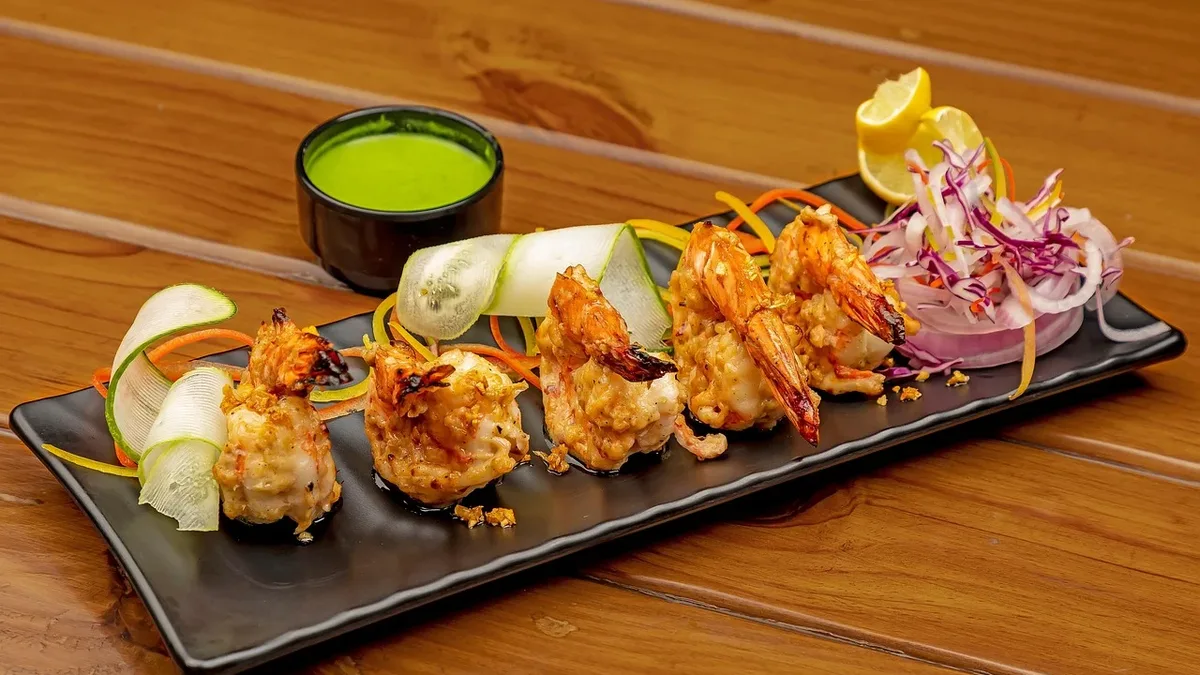
Culver's Seafood Ordering Hacks
A source shares ten custom ordering tips to improve Culver's seafood items like cod and shrimp, noting some changes may cost extra.
Chick-fil-A Ends Little Blue Menu Test
Chick-fil-A is converting its last Little Blue Menu location into a traditional restaurant in January, concluding the five-year test concept.

Restaurant Brands Must Know What They're Selling to Succeed
A recent case study of Cracker Barrel's branding failure highlights the importance of understanding a restaurant's core concept and staying true to...