Lee's Famous Recipe Chicken rebrands
Lee's Famous Recipe Chicken, under new ownership, is modernizing its brand identity and restaurant design while preserving its core pressure-fried chicken
Lee's Famous Recipe Chicken is undergoing a brand transformation under its new owner, private investment firm Artemis Lane Partners, which acquired the chain in June 2021. The company is updating its visual identity and restaurant design while maintaining the hand-breaded, honey-dipped, pressure-fried chicken recipe established at its first Lima, Ohio, location in 1966.
According to CEO Ryan Weaver, the acquisition was not a traditional turnaround. He stated the food and operations were strong, but the brand itself had been stagnant. The company's view was that nothing was broken within the restaurants themselves, with great food and people running their businesses well.
A Legacy Brand Awakens
Lee's was co-founded by Lee Cummings, nephew of KFC's Colonel Harland Sanders, and engineer Harold Omer. The chain grew to 100 locations within six years through aggressive franchising. After decades of ownership changes, the brand entered a new chapter with the 2021 acquisition. VP of marketing Dan Sokolik described the pre-acquisition state as a brand that had been put on pause, with no evolution, change, or forward thinking for a very long time.
The modernization effort began with extensive consumer research. Brian Seitz, who led the design project before joining Lee's as director of store design, said a consistent finding was that customers loved the food but felt the brand was neglected and that it seemed nobody cared about it anymore.
Modernizing the Customer Experience
Lee's embarked on a multi-year transformation with design firm Chute Gerdeman. The company introduced a refreshed logo, new packaging, updated uniforms, and redesigned digital channels. A new chicken icon named Helen was created to give the brand a brighter, more contemporary personality. Marketing shifted from passive, traditional approaches to more playful advertising.
Sokolik emphasized the goal was not to reinvent Lee's but to build a brand identity worthy of its product. The first step was fixing the visual identity, which he described as a necessary initial overhaul.
A New Restaurant Prototype
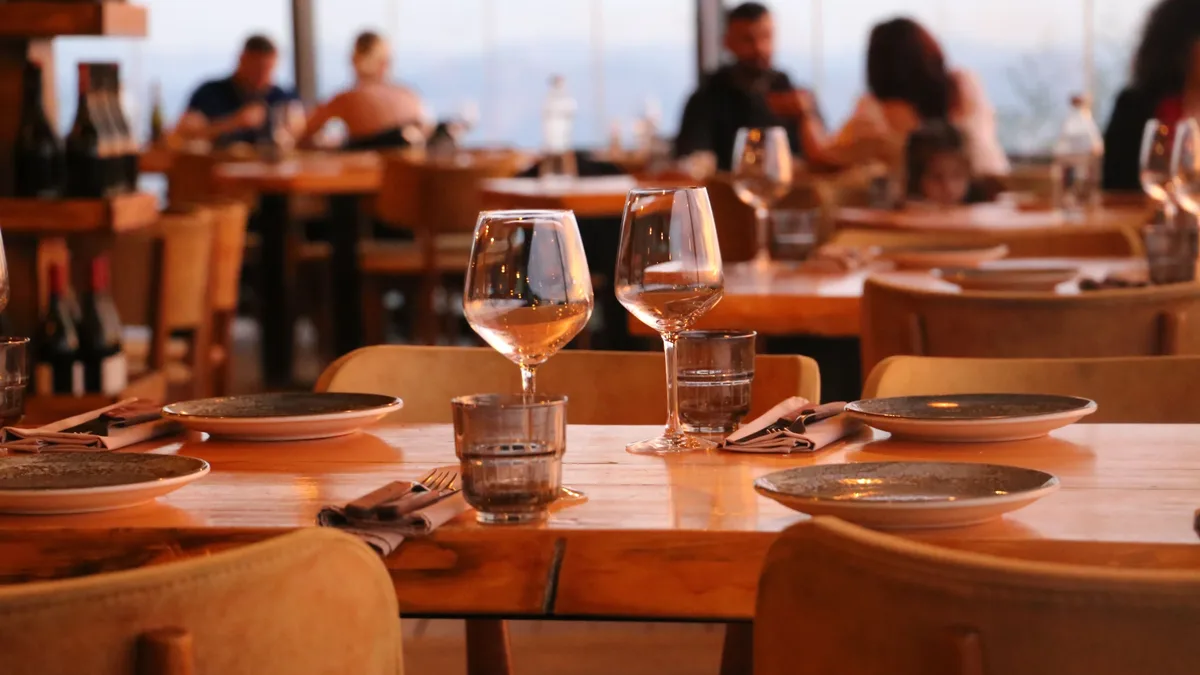
The next phase involved translating the new identity into physical restaurants. Instead of a single new building design, Lee's created a flexible design system for new and existing locations. The prototype features a brighter exterior, expanded windows, and updated dining spaces for a stronger architectural presence. The layout was reimagined to optimize drive-thrus and create dedicated pickup areas for digital and delivery orders.
Behind the counter, kitchen workflows were streamlined with industrial engineering consultants. The redesign aimed to reduce unnecessary movement while preserving the labor-intensive, decades-old preparation method for fresh, never-frozen chicken. The core process of honey-dipping, seasoning, and pressure-cooking remains unchanged.
Weaver's philosophy required the franchisor to have operational skin in the game. Artemis Lane began acquiring restaurants from long-time franchisees, buying 35 of the system's roughly 130 locations to build a company-owned base. Weaver stated his strong belief that a franchisor should not dictate from an ivory tower without having operational involvement.
This operator perspective informed technology upgrades described as basic fundamentals: consolidating point-of-sale systems, implementing better inventory and scheduling tools, and achieving full data visibility across the network. For Jack Omer, Harold Omer's grandson who became a franchisee last year after a corporate layoff, this long-term stewardship was a key factor in his investment. He spent months talking with leadership to ensure the strategy was for sustained growth, not a short-term cash grab.
The chain, which once converted inexpensive neighborhood filling stations into restaurants, now aims to be more noticeable in its communities with its updated design.