Infrared Heater Maintenance for Restaurant Patios
Restaurant owners can extend patio dining seasons with infrared heaters, but strategic placement and simple upkeep are required for optimal performance.
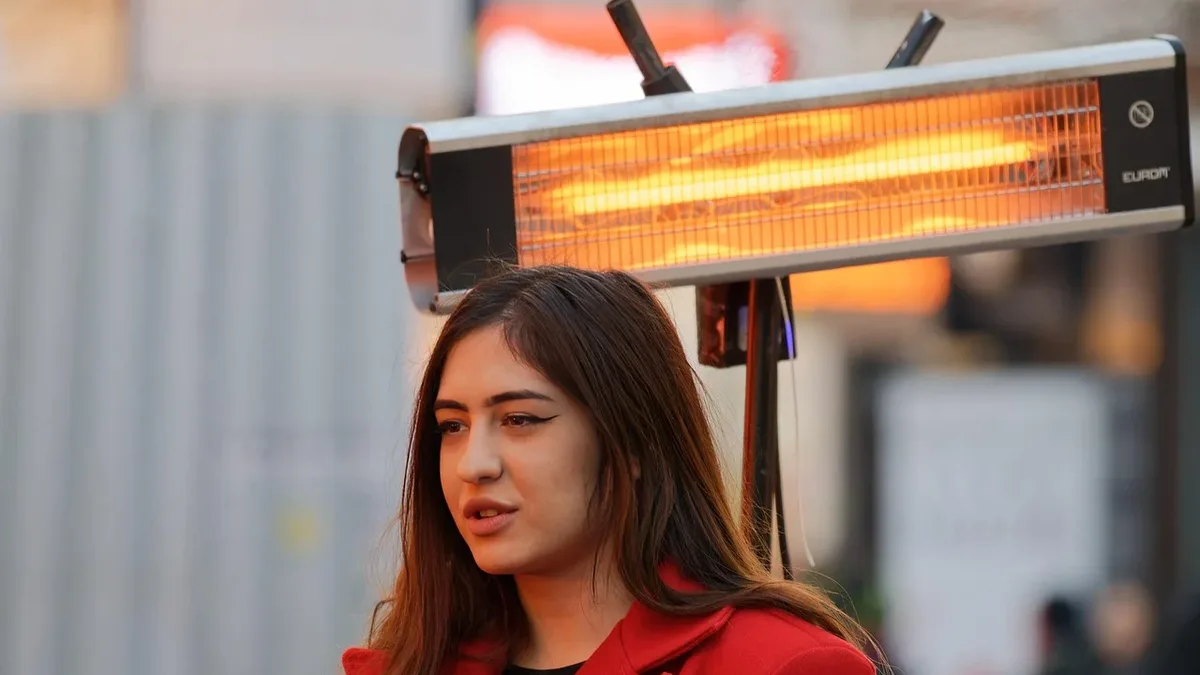
Infrared heaters are key for maintaining guest comfort on restaurant patios and in drafty dining areas, directly impacting customer satisfaction and return visits. These units require minimal but consistent maintenance to ensure they perform effectively and last for years.
Unlike traditional convection heaters that warm the air, infrared models provide targeted heat to people and objects. This makes them particularly suitable for outdoor spaces or buildings where heat loss is a constant issue. Their fast-acting nature can be a significant advantage when temperatures drop unexpectedly, helping to keep guests comfortable.
Essential Maintenance Routines
Regular cleaning is the most important practice. Dust, grease, and debris can accumulate on the heating elements and reflectors, especially on units installed near kitchens. This buildup compromises both performance and energy efficiency. Scheduling routine wipe-downs prevents these problems.
Visual inspections should be part of a standard maintenance checklist. Checking for frayed electrical connections or worn fuel lines can identify mechanical issues early. Spotting these problems before they cause a complete failure allows for planned repairs and avoids unexpected downtime.
Monitoring performance is also key. If a heater takes longer to warm up or provides less warmth than usual, it may indicate an underlying issue. Prompt attention to these signs helps prevent disruptive breakdowns during service.
Strategic Placement for Maximum Effect
Proper placement is as critical as maintenance. Infrared heat travels in a straight line, so heaters must be directed at areas where guests will be seated. Obstructions like curtains, umbrellas, or decorative items can block the heat and should be avoided.
Mounting height and angle significantly impact effectiveness. Installing a unit too high diminishes its warming power, while placing it too low creates inconsistent heating and potential safety hazards. When purchasing heaters, owners must know the mounting height of their space to select a model with the appropriate power level.
Wind can also reduce heating efficiency. While infrared heat is more resilient to breezes than warmed air, positioning units under partial cover, such as an awning, can mitigate environmental factors. Clearance from combustible materials must always be maintained for safety.
Extending Usable Dining Space
For restaurant owners, the primary benefit of infrared heaters is the ability to convert cool, drafty areas into comfortable, year-round dining spaces. This directly extends seating capacity and revenue potential during colder months. The report emphasizes that a small investment in ongoing upkeep protects this valuable asset. A simple, vigilant approach to cleaning, inspection, and placement ensures guests remain warm and likely to return.