Fancy Grocery Stores Shift to Luxury Model
An Eater editor argues that upscale grocery stores have become overly luxurious and sinister, focusing on status and fear over food passion, while noting
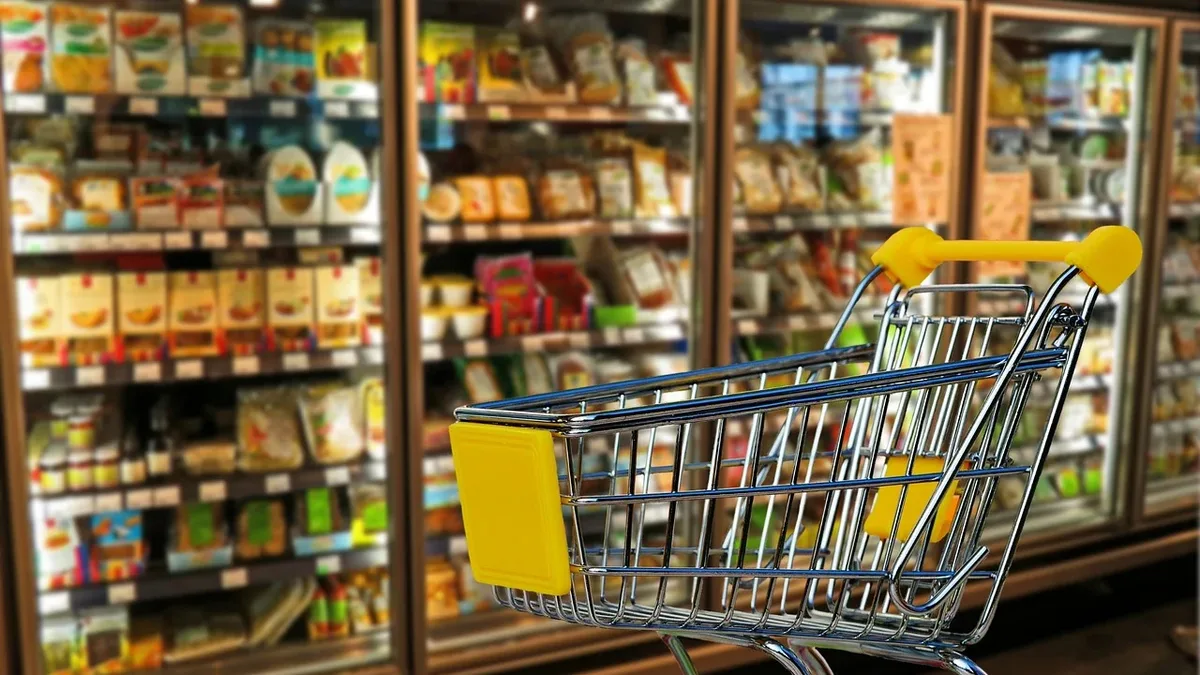
An Eater editor states that luxury grocery stores have become deeply sinister. The shift is marked by high prices for items like $17 pre-cut Brussels sprouts and a focus on products driven by fear rather than curiosity.
The editor, writing for Eater's Hot Takes series, recalls a time when specialty 'bougie' stores were loved for their unique, small-batch products. These shops offered inspiration and a sense of discovery, featuring items from local makers that couldn't be found elsewhere. Eataly was a destination for novelty, a place to find obscure cheese or a new jarred item to break daily monotony.
Something has changed. Now, entering a fancy grocery store often sparks disdain or even disgust. The new model is described as a slew of ripoffs of the high-end chain Erewhon, characterized as sleek, streamlined, and moneyed.
The issue is not with quaint 'shoppy shops' but with 'luxury grocers' selling premade food and precut vegetables at shocking prices. Their shelves are filled with buzzword products like 'microplastic-free salt' and tallow-fried tortilla chips.
The Loss of Food Passion
Old-fashioned fancy grocery stores felt like havens for food lovers, where knowledgeable cheesemongers celebrated aromatic cheeses. The new postmodern shelves, however, seem driven less by creativity and more by fear. The editor contends these stores have become a nexus for laundering conservative ideology under the attractive guise of pantry goods.
Sourcing appears focused on what a product excludes, such as seed oils, rather than genuine support for agriculture or local economies. The value of a small farm is reduced to its potential to sell raw milk.
These stores feel stripped of passion. They cater to people who view food primarily as 'optimization,' social status, or TikTok decor. The editor wants food to be fun and hedonistic, not fraught and neurotic as these stores inspire.
They feel like one-stop shops for orthorexia. The relationship with fancy grocery stores is compared to a couple growing apart, their lived experiences and future goals having diverged too much.
Prices and a Sinister Shift
How should a food lover react when these stores become venues for the wealthy with means but little taste to flex disposable income? Examples given include $32 ice and $45-per-pound tuna salad. The editor suggests there is moral rot in normalizing this shift, especially as many Americans buy fewer groceries due to affordability.
Exclusivity is the point, in a world with $250 limited-edition celebrity honey.
An illuminating contrast is the simultaneous Erewhonification of fancy stores and the democratization of Whole Foods. Once nicknamed 'Whole Paycheck,' Whole Foods now offers the cheapest everyday grocery option in multiple categories for the editor in New York City. This is attributed to its Amazon ownership, though quality has suffered.
The whole situation feels sinister, as if the wealthy needed a more exclusive option once Whole Foods became 'too accessible.'
The editor does not hate Erewhon, having been transfixed in its aisles, wondering at $12 water and fantasizing about a supplemented self. A Los Angeles vacation involved a $21 Hailey Bieber smoothie, whose hyper-concentrated strawberry flavor prompted a comparison to cocktail pricing. The lure is understood, but its ubiquity is resisted.
The plea is to let Erewhon be Erewhon, and for everywhere else to just be normal.
Source: Eater