
New York
| Country of origin | United States |
|---|---|
| First created | 1970s |
| Original use | Casual dining restaurant |
| Cuisine type | Italian-American |
| Typical setting | Family-friendly, casual |
| Service model | Table service |
| Menu focus | Pasta, pizza, salads |
Origin and history
The New York restaurant chain is an American casual dining concept that originated in the United States during the late 20th century. Its founding and expansion are closely tied to the broader trend of themed, mid-priced chain restaurants that became popular in the 1980s and 1990s. The chain was created to evoke the energetic and diverse culinary spirit of New York City, though its locations are primarily found in suburban areas and smaller cities across various regions. It was established as a corporate entity separate from any single iconic New York City restaurant, designed for scalable replication. The brand's history reflects a period of growth for casual dining chains that offered a consistent, familiar experience centered around a specific American regional identity. Its development involved standardizing a menu of classic American dishes intended to have broad national appeal.
What it is for
The New York chain functions as a casual dining restaurant where customers primarily go for a sit-down meal served by waitstaff in a themed environment. Its core purpose is to provide a reliable, family-friendly dining option for groups seeking a full-service experience without formal fine dining prices or attire. The restaurant is designed for occasions including weeknight family dinners, casual gatherings with friends, and informal celebrations like birthdays. As a place you book a table, it accommodates reservations for parties, often through a phone call to the specific location or, in more recent years, through third-party online reservation platforms. The chain's model relies on offering a broad menu to satisfy varied tastes within a group, from children to adults, making it a common choice for decision-neutral outings. The physical space typically includes booths and tables suitable for groups, with decor featuring stylized references to New York City landmarks and iconography.
New York menu with prices
These price points position the chain as an affordable full-service option for families and groups, though the total bill can increase significantly with the addition of appetizers, drinks, and desserts.
New York menu
The menu is expansive and centers on American comfort food and classic dishes, often with a purported New York influence. A substantial section is dedicated to large, hand-held sandwiches like Reubens and patty melts, served with fries or coleslaw. Another major category includes pasta dishes, such as baked ziti or fettuccine alfredo, and a variety of USDA-inspected steaks cooked to order. The chain invariably features a selection of oversized salads, burgers with numerous topping options, and hearty breakfast items served all day. Appetizer platters meant for sharing, including mozzarella sticks, spinach and artichoke dip, and loaded potato skins, are a staple of the menu. Desserts are typically large, shareable items like a massive sundae or a slice of cheesecake, aligning with the theme of generous portions.
New York deals
The chain frequently runs promotional deals to drive traffic during slower dining periods and to foster customer loyalty. A common offering is a fixed-price, multi-course lunch special available on weekdays, which includes a choice of soup or salad, a select entree, and a non-alcoholic beverage. Another standard promotion is an "early bird" dinner special, offering a discounted prix-fixe menu for guests dining before a set time in the evening. The restaurant typically has a dedicated kids-eat-free or kids-eat-cheap promotion on a specific weeknight, requiring the purchase of an adult entree. They often participate in third-party coupon and discount websites, providing vouchers for a percentage off the total bill or a free appetizer with purchase. A loyalty program, either digital or physical punch card, offering a free meal after accumulating a certain number of visits or dollars spent, is a standard long-term deal structure.
Pros and cons
A significant pro is the chain's reliability and consistency; customers know exactly the type of meal, atmosphere, and price point to expect at any location, which reduces decision anxiety for groups. The extensive menu provides something for nearly every palate, including picky eaters and children, making it a practical choice for diverse parties. However, a major con is the generic and often underseasoned quality of the food, which is engineered for mass production and broad appeal rather than culinary distinction, leading to mediocre experiences for those seeking flavor. The environment can be excessively loud and chaotic during peak hours, detracting from conversation and making the restaurant poorly suited for a quiet or intimate meal. A common mistake is ordering a steak or a dish that requires precise cooking, as the high-volume kitchen often results in overcooked or inconsistently prepared plates. Customers who regret choosing it are typically those desiring a more authentic, chef-driven, or locally-sourced dining experience, as the chain's corporate model is the antithesis of that.
Who it suits
This restaurant chain suits families with children, as the noisy atmosphere is forgiving, the menu has familiar options, and the deals can improve affordability for larger groups. It is appropriate for casual social gatherings where the primary goal is conversation in a neutral setting rather than an exceptional culinary event, such as a catch-up lunch with friends. The chain is a fit for travelers or individuals in unfamiliar suburbs who seek a predictable, full-service meal option without the risk of an unknown local diner. It accommodates larger parties and celebrations like team dinners or birthday meals where booking a big table and splitting checks are standard, manageable procedures for the staff. The restaurant is also suitable for older adults who appreciate the traditional model of a sit-down restaurant with a large menu and consistent service patterns. It does not suit food enthusiasts, date nights where ambiance is key, or anyone with dietary restrictions that require careful, from-scratch kitchen attention, as the reliance on pre-prepared components limits flexibility.
Latest New York news
Latest reporting
Chicken Salad Chick Signs 25-Unit Upstate New York Franchise
Chicken Salad Chick has signed its largest-ever franchise development agreement, a 25-unit deal for Upstate New York, as part of a broader Northeast
History of New York City Pizza: Lombardi's Disciples
The legacy of Gennaro Lombardi's early 20th century pizzeria lives on through iconic establishments like John's of Bleecker Street, Patsy's, and...
The Astor Restaurant Opens at the Public Theater
The Public Theater opens The Astor, a new restaurant and bar, on September 15, replacing the Library. The design and menu evoke old New York taverns.
New York Restaurants Install Boulders as Decor Trend
Several New York City restaurants and cafes, including Pizza 4P's and Rhythm Zero, are using large decorative rocks and boulders as a central interior
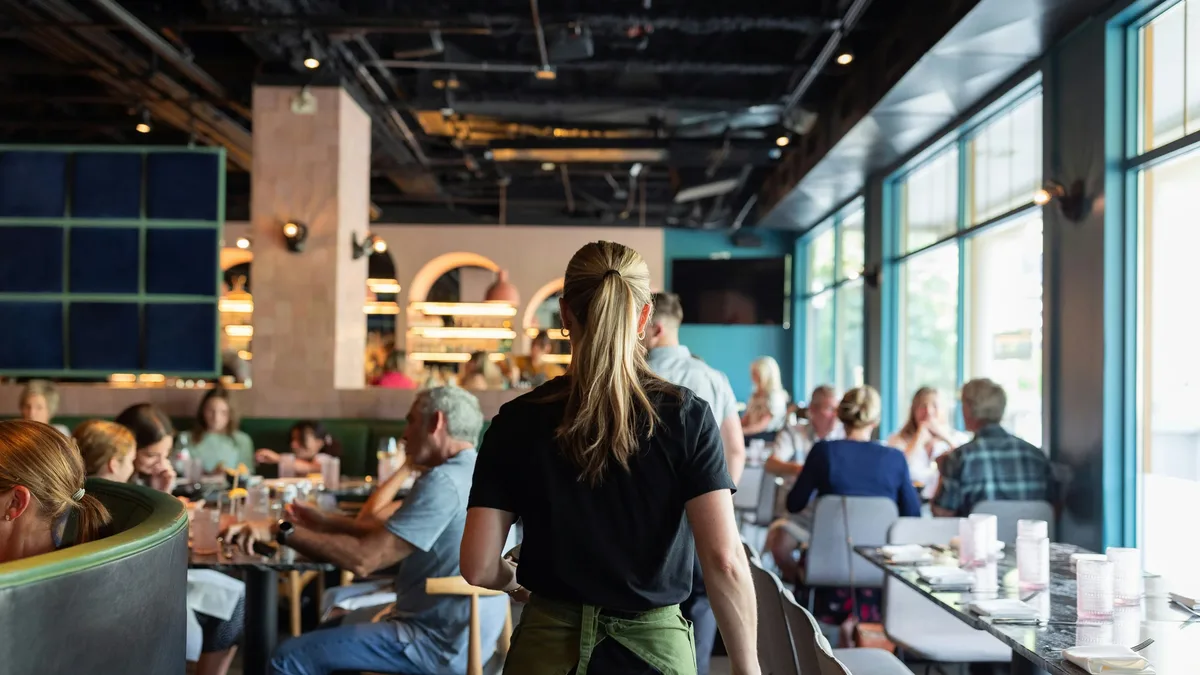
New York Restaurants Mark 25th 9/11 Anniversary
Two new documentaries and past coverage highlight how restaurants, from Windows on the World to local relief kitchens, are part of the city's 9/11...
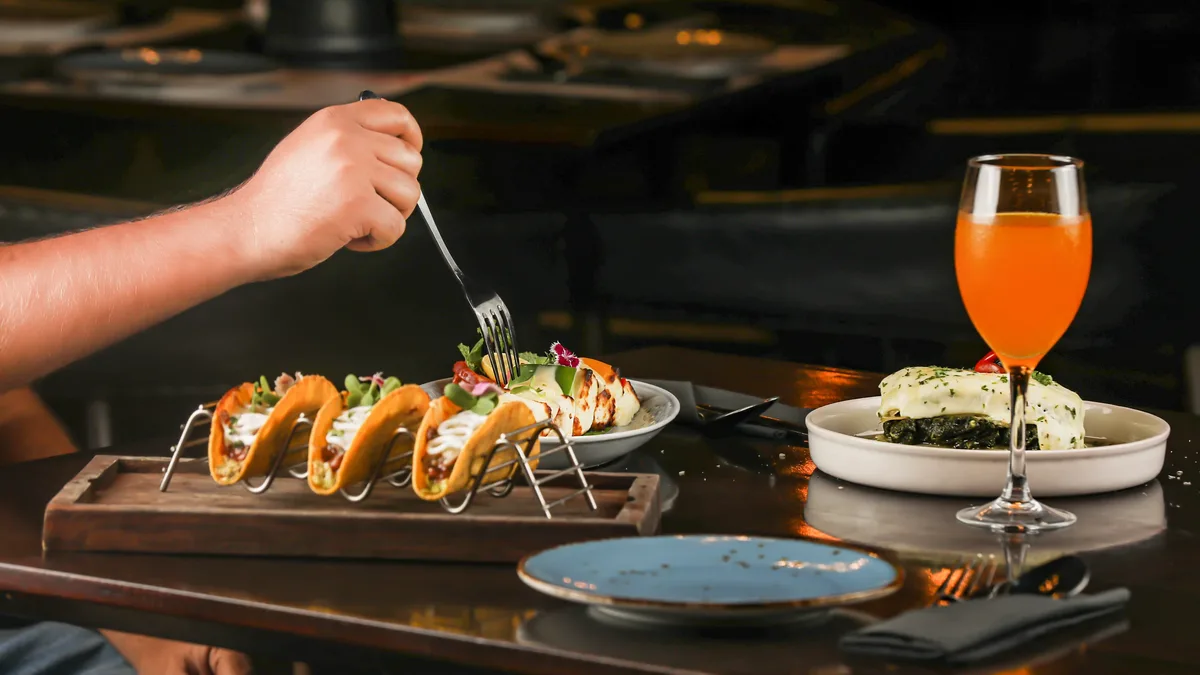
Los Tacos No. 1 Secures Private Equity Investment from TSG
New York's Los Tacos No. 1 has received a strategic investment from private-equity firm TSG Consumer to support its growth.