Cyclospora Outbreak Highlights Restaurant Supply Chain Risks
A widespread Cyclospora parasite outbreak linked to contaminated lettuce has sickened tens of thousands, revealing systemic vulnerabilities in the
A massive Cyclospora outbreak over the summer has exposed critical weaknesses in the U.S. Food supply chain, posing significant risks for restaurants. Tens of thousands of Americans fell ill with cyclosporiasis, a parasitic disease causing severe diarrhea, since May, with infection rates about 26 times higher than a typical year according to the Centers for Disease Control and Prevention.
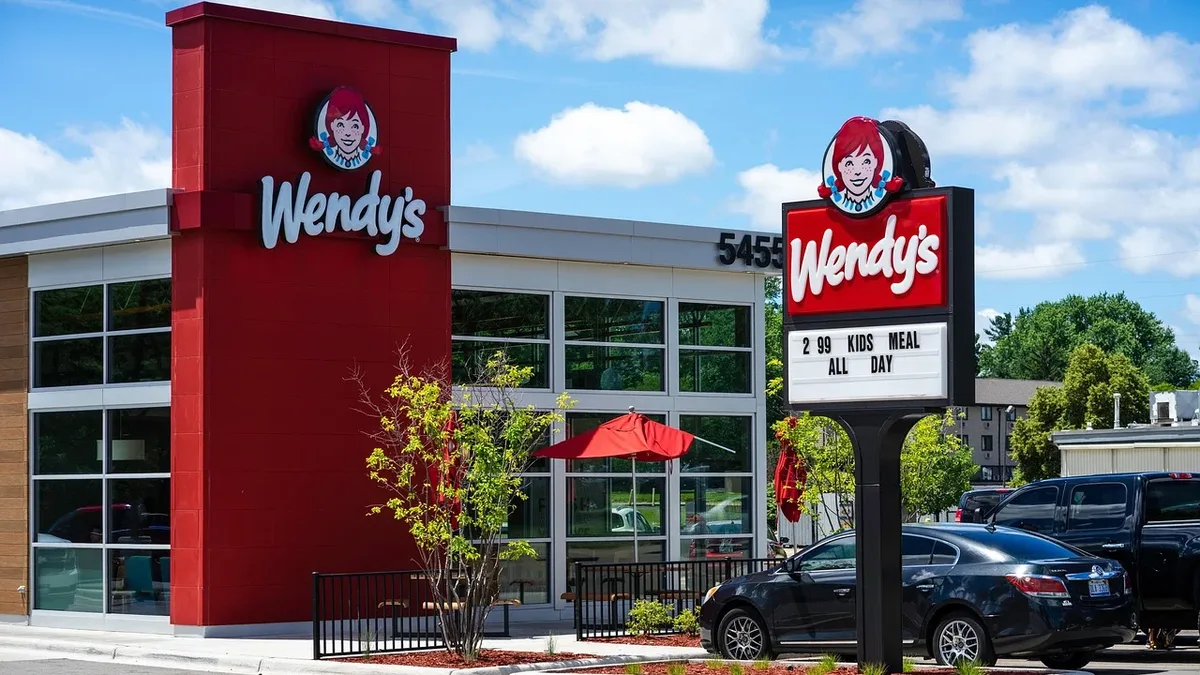
While the CDC measured up to 31,000 cases by the end of August, state health departments using different criteria reported even higher numbers; Michigan alone recorded over 14,500 cases. Thousands of those sickened reported eating at Taco Bell restaurants, with many cases linked to iceberg lettuce from distributor Taylor Farms. The CDC and FDA are investigating at least four other distinct infection clusters, making this one of the worst food safety issues to hit restaurants in years.
Cyclospora Presents Unique Challenges
Cyclospora is harder to trace and kill than common bacterial pathogens like Salmonella or E. Coli. Food safety attorney Bill Marler stated the core problem bluntly: "Essentially, human feces has gotten into our food supply." He explained that Cyclospora is a human fecal parasite, carried only by humans.
Professor Amira Roess of George Mason University said standard sanitizers effective against bacteria often fail against this parasite. Contamination frequently occurs through water used in irrigation and processing. The parasite's complex cellular structure and longer lifespan also complicate genetic tracing of outbreaks, forcing investigators to rely on slower, traditional detective work.
Restaurants Bear Legal and Operational Burdens
Restaurants face limited options when upstream contamination occurs. Bo Davis, CEO of MarginEdge, noted the impact varies by concept. "If you're a burger concept, people can get their burgers without lettuce on it, and they're fine," Davis said. "But if you're a salad concept, you just take it on the chin for a while."
Marler emphasized that restaurants retain legal responsibility for the food they serve, regardless of where contamination originated. Lawsuits against Taco Bell and Taylor Farms are proceeding on this basis. "Once it's contaminated, there's not a dang thing that these restaurants can do to protect themselves or protect their consumers," Marler said. "You can't wash these fecal pathogens off the lettuce, and you don't cook lettuce, so there's not a lot you can do."
Davis advised operators to demonstrate operational dexterity. Chains like Cava and Sweetgreen publicly noted they do not serve iceberg lettuce. He recommended preparing staff to communicate clearly about ingredients and sourcing. If a product is recalled, restaurants must discard it, prevent cross-contamination, and restock from a new supplier. If linked to an outbreak, Davis's first advice was to "call your insurance company." He stressed transparency with consumers, citing both legal and moral obligations to inform potentially exposed diners.
Systemic Vulnerabilities and Future Prevention
Experts point to food supply consolidation as a key amplifier. Roess explained that when a major supplier like Taylor Farms, Chiquita, or Dole has a contaminated product, it can reach a third of the country, causing national outbreaks. This concentration also complicates traceback efforts.
Marler argued that restaurant chains and distributors must pressure suppliers for higher safety standards. "They have a responsibility to go to Taylor Farms and go: 'Okay, what are you doing to make sure we don't have a problem?" he said.
However, Davis expressed skepticism about the utility of supplier screening for prevention. He suggested the industry's ability to manage such systemic risks is limited. Roess added that U.S. Disease surveillance is insufficient, with cuts to CDC support positions, including its cyclospora surveillance lab, hindering early outbreak detection.
The scale of the outbreak signals that the underlying problems enabling the Cyclospora surge are not going away, leaving restaurants continually vulnerable to supply chain failures beyond their direct control.