Sommeliers And How A List Is Built
| Name | Sommeliers And How A List Is Built |
|---|---|
| Type | Cocktail |
| Primary spirit base | Varies (commonly wine-based spirits or fortified wines) |
| Original use | Restaurant/bar industry educational or promotional drink |
| Flavor profile | Complex, vinous, often dry or semi-dry |
| Typical serving context | Specialty bars, sommelier events, fine dining establishments |
| Glassware | Varies (often a wine glass or coupe) |
Origin and history
The profession of the sommelier, or wine steward, has its origins in the royal courts of medieval Europe, specifically within France during the 14th century. Initially, the role was less about wine selection and more about the safe procurement and service of beverages for royalty, often involving tasting for poison. The modern concept of the sommelier as a knowledgeable curator of a wine list emerged alongside the development of the restaurant industry in Paris during the 19th century. As fine dining establishments proliferated, the need for a dedicated expert to manage cellars, source wines, and advise guests became a mark of prestige. The formalization of sommelier training and certification bodies, such as the Court of Master Sommeliers, began in the mid-20th century, solidifying it as a global profession. The systematic methodology for building a wine list is a more recent development, evolving over the late 20th and early 21st centuries as restaurant economics and consumer education became more sophisticated.
Ingredients
A restaurant's wine list is not constructed from physical ingredients but from foundational components that determine its character and function. The primary component is the wine inventory itself, sourced from producers, importers, and distributors. Critical supporting elements include a deep understanding of the restaurant's culinary concept and menu flavor profiles. Detailed knowledge of the guest demographic and their spending patterns is another essential factor. A comprehensive grasp of wine regions, grape varieties, vintages, and producer reputations forms the intellectual backbone. Practical considerations like storage capacity, budget constraints, and supplier relationships are also key ingredients. Finally, a clear pricing strategy and markup structure are fundamental to the list's financial viability.
How to make it
- Define the list's core philosophy by aligning it precisely with the restaurant's cuisine, ambiance, price point, and target clientele. 2. Conduct a thorough analysis of the menu, identifying key ingredients, cooking techniques, and dominant flavors to inform pairing choices. 3. Establish a firm budget for initial inventory purchase and ongoing replenishment, accounting for storage costs and desired profit margins. 4. Research and taste potential wines, focusing on a mix of recognized classics and distinctive discoveries that support the list's philosophy. 5. Determine the physical and digital format of the list, considering length, organization, and the level of descriptive detail provided. 6. Set pricing by evaluating bottle costs, competitive benchmarks, and psychological pricing cues, while ensuring overall financial targets are met. 7. Finalize selections, place initial orders, and implement a system for inventory management, sales tracking, and regular list updates.
Variations and serving
Wine list variations are primarily defined by their scope, depth, and organizational principle. A concise "curated" list may feature only 20-30 highly selective bottles chosen for direct menu harmony. Conversely, an extensive "encyclopedic" list can span thousands of bottles, organized by region or grape, catering to connoisseurs. Some lists adopt a thematic focus, specializing in a specific region, like Burgundy, or a style, such as natural wines. The format of service also varies, from traditional leather-bound books to digital tablets or simple printed cards. The sommelier's role in serving the list involves guiding guests through it, interpreting their preferences, and making confident pairing recommendations. Effective service also requires the sommelier to manage the inventory in real-time, suggesting alternatives when a selection is unavailable.
Pros and cons
A professionally built and well-managed wine list significantly enhances a restaurant's prestige, average check size, and overall guest experience. It can become a unique selling point that attracts a dedicated clientele and generates substantial profit. The primary con is the high capital requirement for building and maintaining inventory, coupled with the risk of spoilage or wines falling out of fashion. A common mistake is constructing a list based solely on the sommelier's personal preferences, which may alienate the actual customer base. Restaurants often regret creating a list that is too esoteric or intimidating, leading to slow bottle turnover and guest frustration. Furthermore, poor inventory control can result in listed wines being out of stock, directly damaging credibility and customer trust.
Who it suits
A sommelier-curated wine list suits established fine-dining restaurants where the experience is premium and guests expect expert guidance. It is also highly suitable for steakhouses, French or Italian cuisine establishments, and any restaurant where wine is a central component of the meal. This approach suits restaurant groups with the financial resources to invest in deep cellars and specialized staff training. It is less suited to casual, high-turnover eateries where speed and simplicity are paramount, or to concepts where other beverages like craft beer or cocktails are the main focus. The role of the sommelier specifically suits individuals with a passion for continuous study, excellent hospitality instincts, and the ability to communicate complex information accessibly. Ultimately, a sommelier-built list suits a business model that can leverage wine sales as a major profit center and a key element of its brand identity.
Latest Sommeliers And How A List Is Built news
Latest reporting
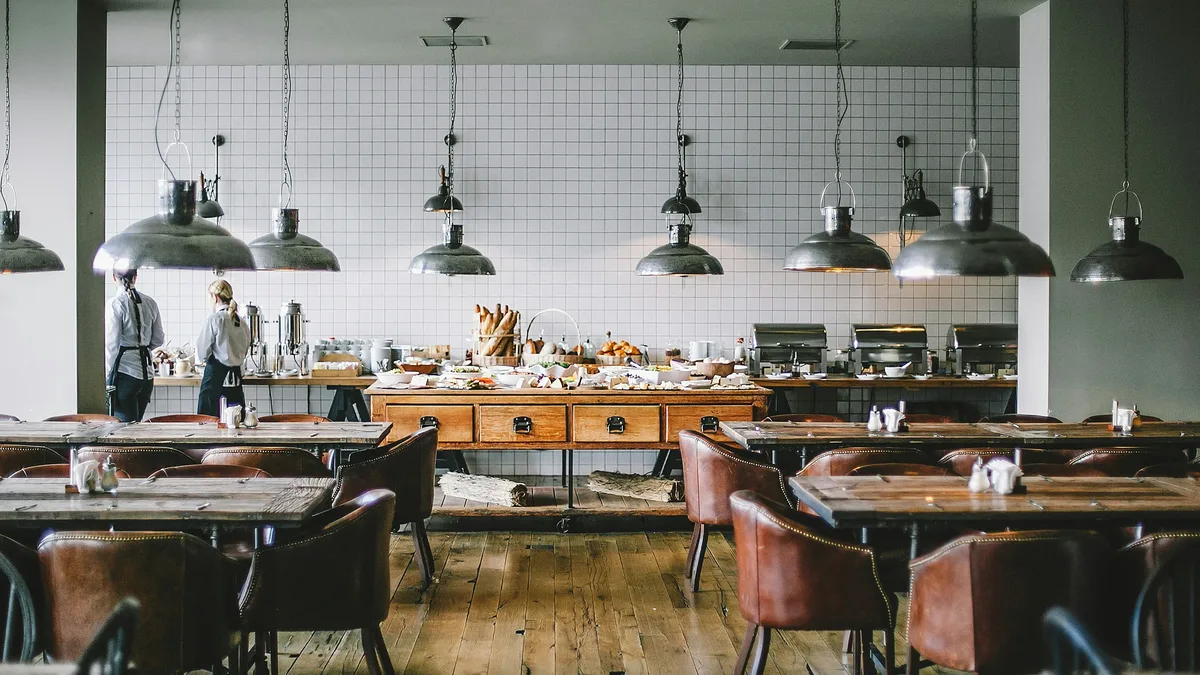
Chef Ton's Saam opens casual Thai in SF
Saam, a new casual Thai restaurant from acclaimed chef Thitid 'Ton' Tassanakajohn, opens in San Francisco. The menu focuses on spicy, sour, and salty...

Starbucks Customers List 2026 Gripes
Starbucks customers in 2026 are complaining about huge price increases, a disappointing rewards program, and the loss of its signature atmosphere.
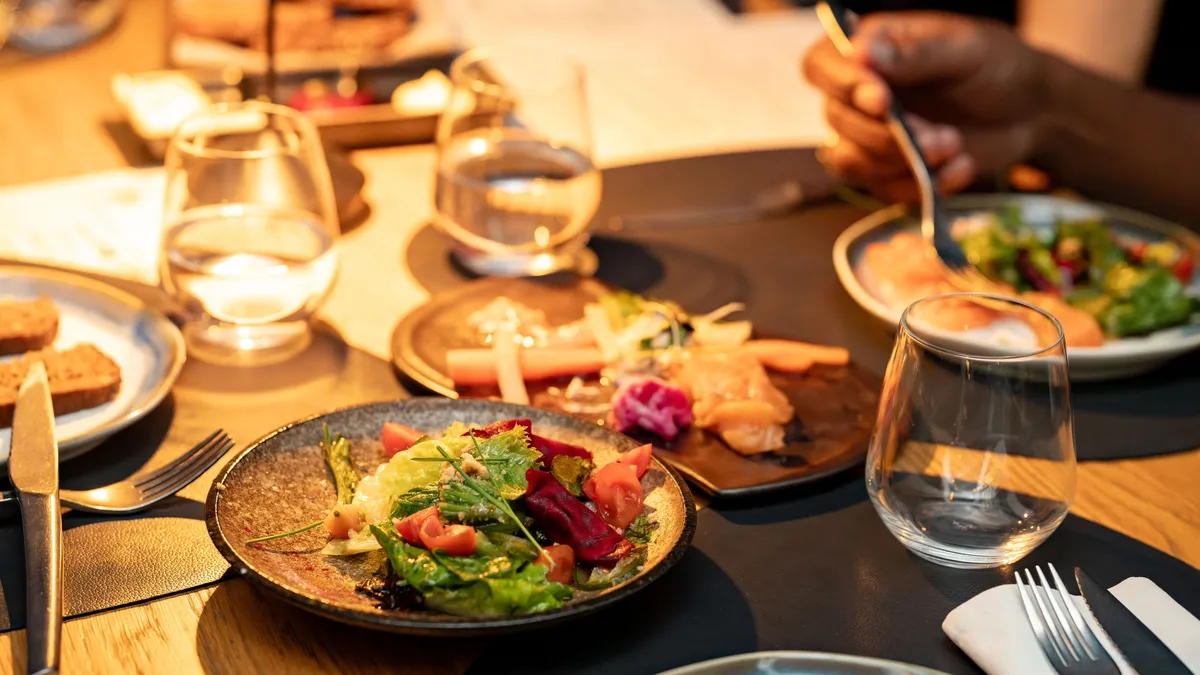
Chicken Salad Chick Leads Emerging Dining Brands
Chicken Salad Chick tops the list of emerging dining brands in a new study by YouGov, outperforming other chains in key metrics