Texas Barbecue
| Origin | Texas, United States |
|---|---|
| Primary cooking method | Slow smoking over indirect heat |
| Characteristic meat | Beef brisket |
| Typical fuel | Hardwood (often post oak) |
| Serving style | Often by weight (pound) or as a plate |
| Common side dishes | Pinto beans, coleslaw, potato salad, white bread |
| Sauce style | Tomato-based or vinegar-based, often served on the side |
| Smoker type | Offset barrel smoker or large pit |
Origin and history
Texas Barbecue originates from the central and eastern regions of the U.S. state of Texas. Its development began in the mid-to-late 19th century, drawing from the meat-smoking traditions of Central European and Czech immigrants who settled in the area. These traditions merged with the cattle-ranching culture of Texas, where beef was plentiful. The technique of slow-smoking over indirect heat using local hardwoods became a practical method for cooking large, tough cuts of meat. Over time, it evolved from a community cooking method into a commercial enterprise, with dedicated barbecue joints emerging by the early 20th century. This style became distinct from other American barbecue regions due to its primary focus on beef, particularly brisket.
Ingredients
Beef brisket, specifically the untrimmed whole packer cut with both the flat and the point. Coarse ground black pepper. Kosher salt. Post oak or hickory wood, for smoking. Butcher paper, for wrapping during cooking (optional). Water or a water pan, to maintain humidity in the smoker. White bread or plain saltine crackers, for serving. Raw onion slices. Pickled jalapeños. Barbecue sauce, typically a tomato-based and slightly sweet sauce, though often served on the side.
How to make it
- Trim the brisket, leaving a quarter-inch layer of fat on one side. 2. Apply a heavy coating of equal parts by volume of coarse black pepper and kosher salt to all surfaces of the meat; this dry rub is often called "Dalmatian rub."
- Preheat a smoker to a consistent temperature between 225°F and 250°F using a clean fire of post oak or hickory. 4. Place the brisket fat-side up on the smoker grate, away from the direct heat source, and insert a reliable meat probe thermometer. 5. Maintain the smoker temperature and add wood as needed until the brisket's internal temperature reaches around 160-170°F and a dark bark has formed. 6. Wrap the brisket tightly in non-coated butcher paper to preserve the bark and place it back in the smoker. 7. Continue cooking until the brisket probe-tender, typically when the internal temperature reaches between 200°F and 205°F. 8. Remove the brisket from the smoker and allow it to rest, still wrapped, for a minimum of one hour before slicing.
Variations and serving
The primary regional variation within Texas is between Central Texas "meat market" style and East Texas style. Central Texas style emphasizes the salt-and-pepper rubbed meat served by the pound with sauce on the side, while East Texas style often involves smaller cuts of meat cooked in a sweeter, saucier preparation. Beef ribs and sausage, particularly links made by local butchers, are other central menu items alongside brisket. Serving is traditionally on butcher paper or a plastic tray, with slices of white bread, raw onions, pickles, and jalapeños. The brisket is always sliced against the grain to ensure tenderness, with different sections like the lean flat and fatty point offered. Side dishes are typically simple, including pinto beans, potato salad, coleslaw, and cobbler, meant to complement rather than compete with the meat.
Pros and cons
A significant advantage of Texas Barbecue is the depth of flavor achieved through simple ingredients and patient smoking, creating a product that is difficult to replicate outside a commercial or well-practiced setting. The focus on meat quality and technique over complex sauces appeals to purists. A major con is the substantial time and fuel investment required, with a single brisket taking upwards of twelve hours, creating high overhead and logistical challenges for a restaurant. The common mistake, often resulting in customer disappointment, is serving brisket that is dry, tough, or under-rendered due to imprecise temperature control or insufficient resting time. Diners who prefer saucy, sweet, or quickly prepared meats often regret choosing a traditional Texas barbecue restaurant. The business model can also lead to long wait times for customers and the risk of selling out of popular items early in the day.
Who it suits
This cuisine suits restaurant operators committed to a labor-intensive, craft-focused model with a clear specialty. It appeals to diners seeking a casual, communal dining experience centered on appreciating skilled technique and foundational flavors rather than formal service or elaborate ambiance. The style is ideal for meat enthusiasts and purists who prioritize the quality of the protein itself over accompaniments. It suits regions with a cultural appreciation for this tradition and access to the necessary high-quality beef and hardwoods. Conversely, it is less suited to operators wanting a fast-turnover menu or to diners with dietary restrictions centered on red meat or sodium. The model typically suits a broad, casual clientele, from families to large groups, looking for a hearty, shared meal.
Latest Texas Barbecue news
Latest reporting
FS/TEC 2026 Conference Kicks Off Wednesday in Texas
The FS/TEC restaurant technology conference begins Wednesday in Grapevine, Texas, featuring AI workshops, a Keith Lee interview, and drone demos.
Texas Roadhouse Entrees
Texas Roadhouse offers 16 entrees under $17, including burgers, sandwiches, and platters

Nashville's Local BBQ Joints That Avoid Tourist Crowds
A guide to 11 Nashville barbecue restaurants favored by locals for their authentic, unpretentious food, ranging from Texas-style brisket to Tennessee

Texas Roadhouse Servers Use Scripted Buzzwords
Texas Roadhouse requires servers to use specific buzzwords like 'legendary' and 'howdy' during customer interactions, with secret shoppers verifying
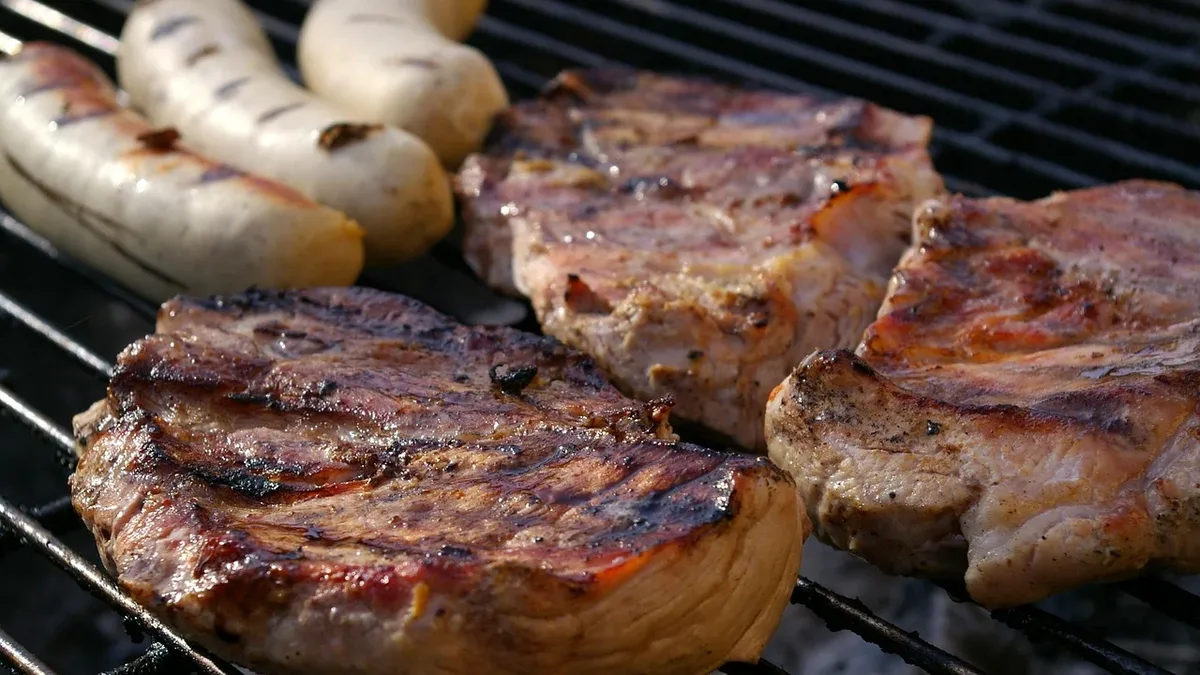
BBQ Chains With The Best Deals In 2026
Five barbecue chains are praised for delivering high-quality smoked meats and sides at very reasonable prices, offering great value to diners.
Bay Area Restaurant Closures: August 2026 Update
Several Bay Area restaurants have closed their doors in recent weeks, including Horn Barbecue's last location in Oakland, Perle Bar, and Wood Tavern.