Steakhouse
| Cuisine type | Steakhouse |
|---|---|
| Primary protein | Beef |
| Typical menu focus | Steak cuts and classic sides |
| Common cooking method | Grilling or broiling |
| Typical service style | Full-service, table-side |
| Common ambiance | Formal to upscale casual |
| Original use | Dedicated restaurant for serving steak |
Origin and history
The modern steakhouse restaurant concept originated in the United States in the mid-19th century. Its development is closely tied to the growth of American cattle ranching and the rise of urban centers where a market for high-quality beef emerged. Early establishments were often simple, masculine-oriented spaces focused on serving substantial portions of grilled beef. The format evolved in cities like New York and Chicago, where restaurants began to offer more refined dining atmospheres alongside their signature steaks. By the early 20th century, the steakhouse had become a well-defined restaurant category featuring wood-paneled decor and extensive wine lists. Its core principle of centering a meal on a premium cut of beef, cooked to order over high heat, has remained consistent for over 150 years.
Ingredients
Prime or high-choice grade beef, such as ribeye, strip loin (New York strip), tenderloin (filet mignon), or T-bone/porterhouse. Coarse kosher salt or sea salt. Freshly cracked black pepper. Clarified butter or a high-smoke-point neutral oil (like canola or grapeseed) for searing. Optional fresh herbs like rosemary or thyme. Optional whole garlic cloves or shallots. Optional compound butter for finishing (e.g., butter blended with herbs, garlic, or blue cheese). Aged beef, dry-aged in-house or sourced pre-aged, is a hallmark of many traditional steakhouses. Simple side dishes often include a baked potato, creamed spinach, or sautéed mushrooms. A basic pan sauce or demi-glace may be offered, but the steak itself is the undisputed focus.
How to make it
- Remove the steak from refrigeration at least 30-45 minutes before cooking to bring it to room temperature for even cooking. 2. Pat the steak dry thoroughly with paper towels to ensure a proper sear. 3. Season the steak generously on all sides with coarse salt and freshly cracked black pepper. 4. Preheat a heavy skillet, cast-iron pan, or grill to very high heat until it is visibly hot. 5. Add a small amount of high-smoke-point oil or clarified butter to the hot cooking surface. 6. Place the steak in the pan or on the grill and sear without moving it for several minutes to develop a crust. 7. Flip the steak and continue cooking to your desired doneness, using a meat thermometer for accuracy. 8. During the last minute of cooking, you may add aromatics like herbs, garlic, or butter to the pan to baste the steak. 9. Transfer the cooked steak to a cutting board or warm plate and let it rest for at least five minutes before slicing. 10. Slice the steak against the grain and serve immediately, optionally topped with a pat of compound butter.
Variations and serving
Variations primarily involve the cut of beef, with different steakhouses specializing in specific offerings like the intensely marbled ribeye or the lean buttery filet mignon. Preparation methods extend beyond grilling to include broiling in specialized high-temperature infrared broilers, a signature of many classic establishments. Serving styles differ globally, with Argentine parrilladas emphasizing chimichurri sauce, while Japanese steakhouses might highlight precise slicing and minimalist seasoning like salt or wasabi. Modern variations include steak frites, where the steak is served with thin, crispy fries, often with a herb butter or peppercorn sauce. Some contemporary steakhouses focus on specific breeds of cattle, such as Wagyu or Angus, and provide detailed provenance for their meat. Traditional service involves presenting the uncooked cuts on a tray or cart for selection, followed by tableside carving after cooking and resting.
Pros and cons
A primary pro is the straightforward, protein-centric menu that appeals to diners seeking a celebratory or hearty meal without complex culinary experimentation. The format offers predictable quality and portion size, often with consistent, time-tested preparation methods that reduce variability. A significant con is the typically high price point, which can make the experience prohibitive for casual or frequent dining and often leads to scrutiny over value for money. The common mistake for the business is an over-reliance on tradition, resulting in a stale atmosphere and menu that fails to attract younger diners seeking more innovative sides or beverage pairings. Customers who regret their choice are often those who do not particularly enjoy red meat or who prefer lighter, more vegetable-forward meals, leaving them with limited appealing options. Another operational challenge is the substantial food cost and waste associated with carrying a full inventory of high-end, perishable cuts, which can severely impact profitability if not managed precisely.
Who it suits
This cuisine suits diners seeking a traditional, substantial meal for special occasions like birthdays, anniversaries, or business dinners where the focus is on the main protein. It appeals to consumers with a strong preference for red meat who appreciate the simplicity of a menu centered on the quality and preparation of a single core ingredient. The steakhouse model is well-suited to operators who can secure a reliable supply of high-grade beef and who have expertise in butchery and precise high-heat cooking techniques. It is a poor fit for restaurateurs looking for a low-overhead concept or for those targeting a primarily vegetarian, vegan, or health-conscious clientele. The format also suits locations with a strong tourist trade or in business districts, where the recognizable concept and perceived value of a steak dinner can drive consistent traffic. Finally, it appeals to patrons who enjoy the ritualistic aspects of fine dining, such as wine service and formal tableside preparations, within a traditionally masculine-coded atmosphere.
Latest Steakhouse news
Latest reporting
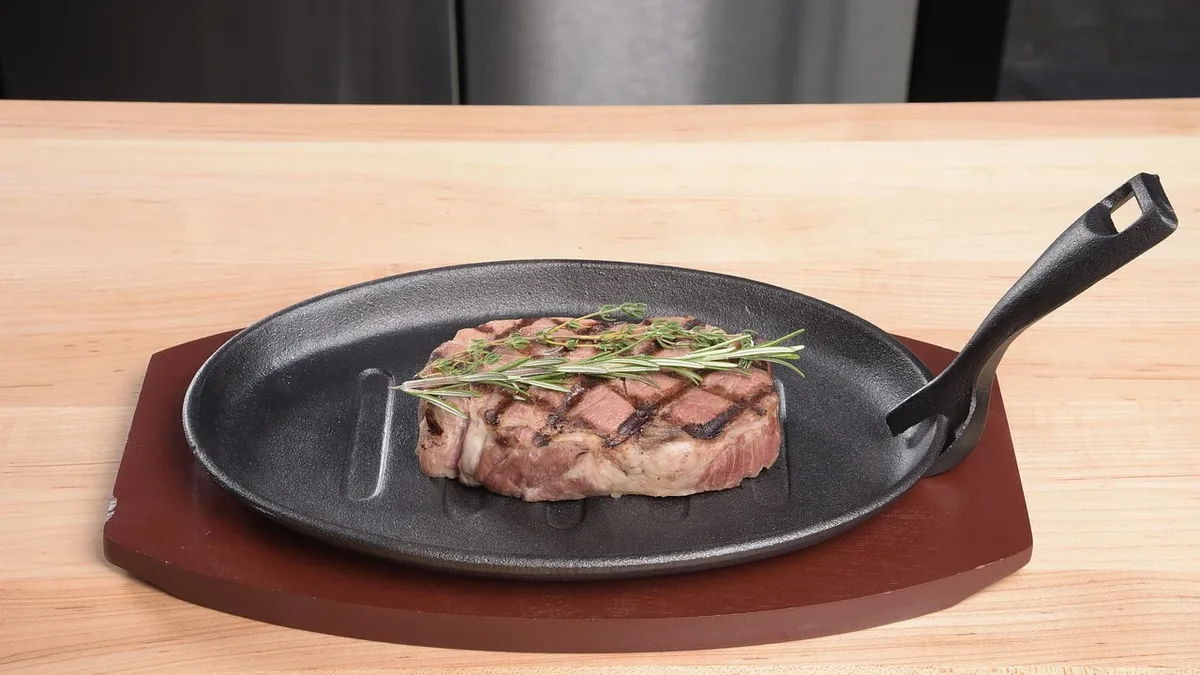
Ryan Poli to open Claymore steakhouse in Nashville
Chef Ryan Poli, co-owner of Iggy's, will open a steakhouse named Claymore in Nashville in the first half of next year.
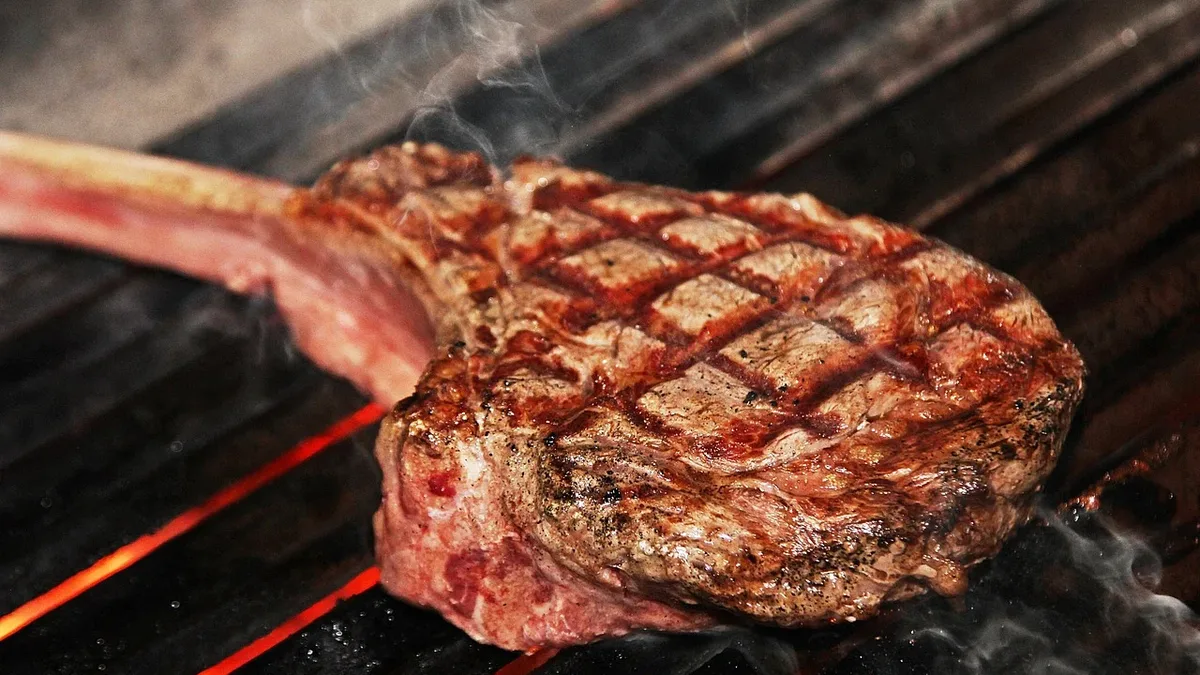
Chain Steakhouses Serve Giant Steaks Up To 46 Ounces
Five major U.S. Steakhouse chains offer massive steaks ranging from 35 to 46 ounces, including tomahawks and porterhouses designed for sharing.
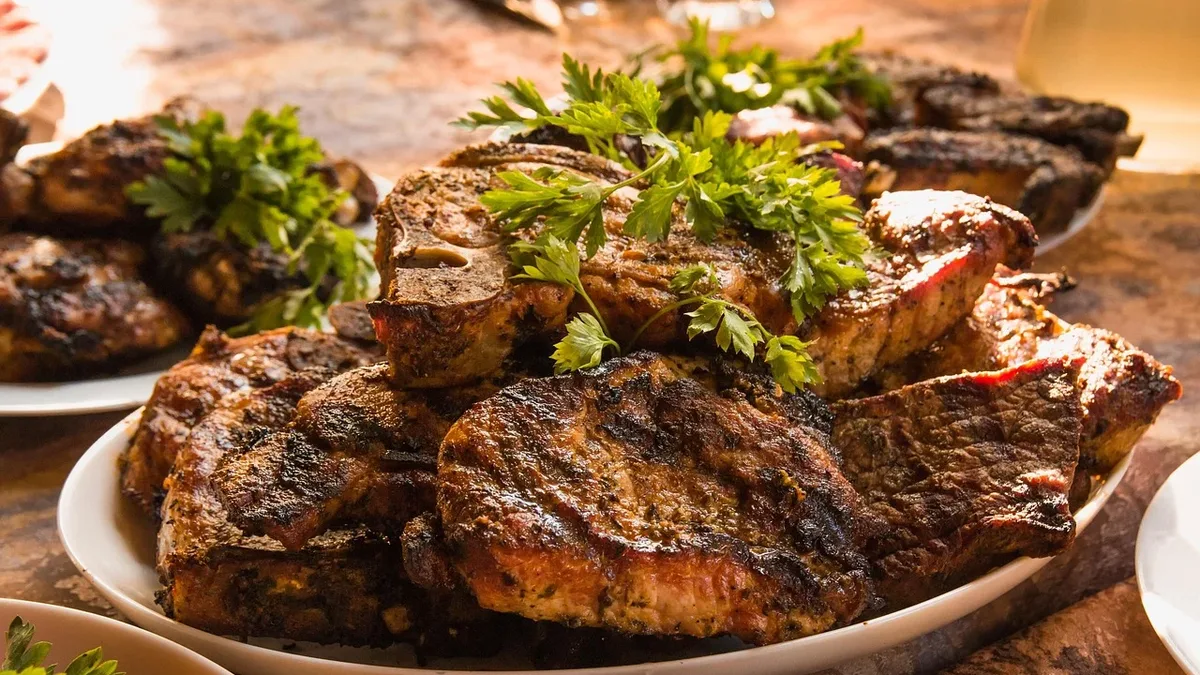
Graciela Brings Argentine Steakhouse Fire to West Village
Pablo Rivero's new West Village tavern, Graciela, impresses with live-fire cooking and standout hospitality, offering dishes like skirt steak and a

Burger King, Coffee Chains Lead Q2 Sales
Coffee chains, Burger King, and major steakhouse brands posted strong same-store sales growth in Q2 2026, while pizza chains and Wendy's faced...