
San Diego
| Country of origin | United States |
|---|---|
| First created | 1978 |
| Original use | Casual dining restaurant |
| Cuisine type | Mexican-American |
| Typical service model | Counter service |
| Typical ambience | Casual, family-friendly |
| Typical menu items | Burritos, tacos, quesadillas |
Origin and history
San Diego is a casual dining restaurant chain that originated in the United States, specifically emerging from the broader Southern California region. The chain was founded in the late 20th century, during the 1990s, capitalizing on the era's growing popularity of themed casual dining experiences. Its founding concept was to evoke the relaxed, coastal atmosphere associated with its namesake city, San Diego, California. The brand expanded from its initial location through a franchise model, which facilitated its growth into a multi-state operation. Its historical development reflects a focus on a consistent, family-friendly environment paired with a menu built around American and Mexican-inspired staples. The chain's history is marked by a steady, rather than explosive, expansion, focusing on suburban and exurban markets.
What it is for
San Diego restaurants function as mid-tier, casual dining establishments designed for group and family meals. The primary purpose is to provide a predictable, full-service dining experience in a themed environment that suggests a Southern California vibe. It serves as a venue for casual social gatherings, such as family celebrations, post-game team meals, or informal dinners with friends. The chain is structured to accommodate medium to large parties, with a business model reliant on consistent table turnover and broad menu appeal. It is not positioned as a destination for fine dining or culinary innovation, but rather for reliable, familiar fare in a setting perceived as lively and welcoming. The operational focus is on delivering a complete experience that includes sizable portions, a full bar service in most locations, and a noise level conducive to conversation.
San Diego menu with prices
The San Diego menu is priced within the common range for casual, full-service chain restaurants in the United States. Appetizers, such as nachos, wings, and spinach-artichoke dip, are typically offered between eight and fourteen dollars. Main course entrees, which include fajita platters, burgers, grilled chicken dishes, and pasta, generally fall within a fifteen to twenty-five dollar price bracket. Tacos and burrito plates are often priced in the mid-teens, while specialty seafood or steak items occupy the higher end of the menu's price range. Lunch-specific combinations and smaller portions may be available at a lower cost, usually between ten and fifteen dollars. Beverages, including soft drinks, iced tea, and cocktails, are priced separately, with alcoholic drinks often costing between seven and twelve dollars.
San Diego menu
The menu at San Diego is broadly categorized as American casual with significant Mexican-inspired influences, reflecting its Southern California theme. A substantial section is dedicated to appetizers meant for sharing, including items like loaded potato skins, quesadillas, and tortilla chips with various dips. The main offerings are dominated by grilled meats, fajita skillets, build-your-own taco platters, and a selection of oversized burgers and sandwiches. Pasta dishes, such as chicken Alfredo or shrimp scampi, and entree salads provide alternatives for those not seeking Mexican-inspired flavors. The children's menu features smaller, simplified versions of popular items like cheeseburgers, chicken tenders, and quesadillas. Desserts are typically large, shareable items like fried ice cream, chocolate chip cookie skillets, or churros.
San Diego deals
San Diego restaurants frequently promote limited-time offers tied to new menu items or seasonal celebrations, such as a summer shrimp special or a holiday-themed cocktail. A common standing deal is the early dinner special, offering a discounted multi-course meal if dining before a specified hour in the late afternoon. Many locations feature a weekday happy hour at the bar area, providing reduced prices on select appetizers and alcoholic beverages for a few hours. The chain often utilizes a loyalty program or email club, through which members receive coupons for a percentage off their total bill or a free appetizer with purchase. Family meal deals, bundling an appetizer, several entrees, and sides for a set price, are advertised for takeout or dine-in to cater to larger groups. National sporting events or holidays often trigger specific promotions, like game-day wing specials or a fixed-price menu for Mother's Day.
Pros and cons
A significant pro of San Diego is its consistency; guests can expect a nearly identical menu, portion size, and atmosphere at any location, which reduces decision anxiety for groups. The spacious booths and capacity for large parties make it a practical choice for gatherings where accommodating varied tastes and ages is a priority. However, a common con is the formulaic nature of the food, which many critics describe as overly reliant on pre-prepared components and lacking in distinctive flavor or freshness. Customers who regret their choice are often those seeking a more authentic culinary experience or a quieter, more intimate dining atmosphere, as the environment can be bustling and noisy. A frequent mistake is ordering the more complex or purportedly "fresh" seafood items, which can be inconsistent and are not the chain's operational strength. The value proposition can also be weak during standard dinner hours without utilizing a deal, as the regular menu prices are considered high for the quality of ingredients offered.
Who it suits
San Diego suits families with children, as the menu includes familiar options, the noise level is tolerant of younger diners, and the service pace is geared toward groups. It is appropriate for casual business lunches or dinners in markets where more independent options are limited, as the neutral theme is inoffensive and the chain is widely recognized. The restaurant chain appeals to groups celebrating minor milestones, like birthdays or sports team victories, where a festive, low-stakes environment is desired without the need for advanced reservations at more exclusive venues. It is a practical choice for travelers or individuals in unfamiliar suburbs who prioritize the known reliability of a chain over exploring local, independent restaurants. The chain does not suit diners with sophisticated palates, those seeking dietary-specific cuisine such as vegan or gluten-free beyond basic modifications, or couples looking for a quiet, romantic evening. It is also a poor fit for solo diners seeking a quick meal, as the service model and table layout are optimized for parties.
Latest San Diego news
Latest reporting
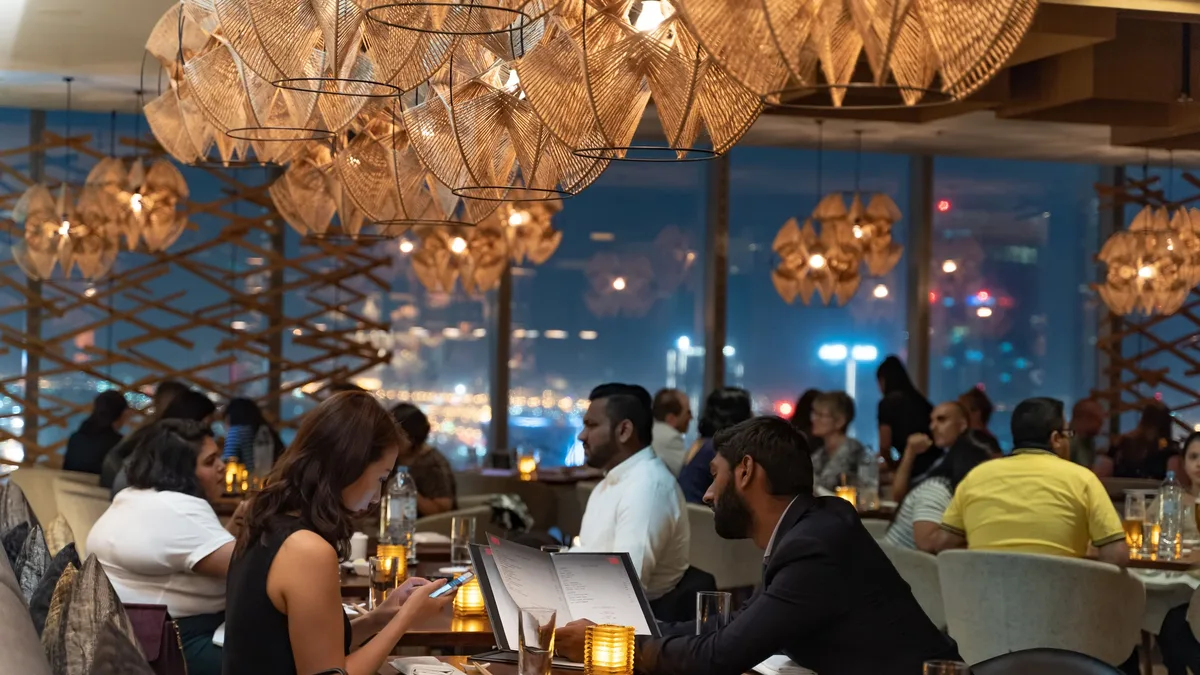
Zuma opens first California restaurant in San Diego
The London-based contemporary Japanese restaurant group Zuma has opened its first California location in downtown San Diego.S.
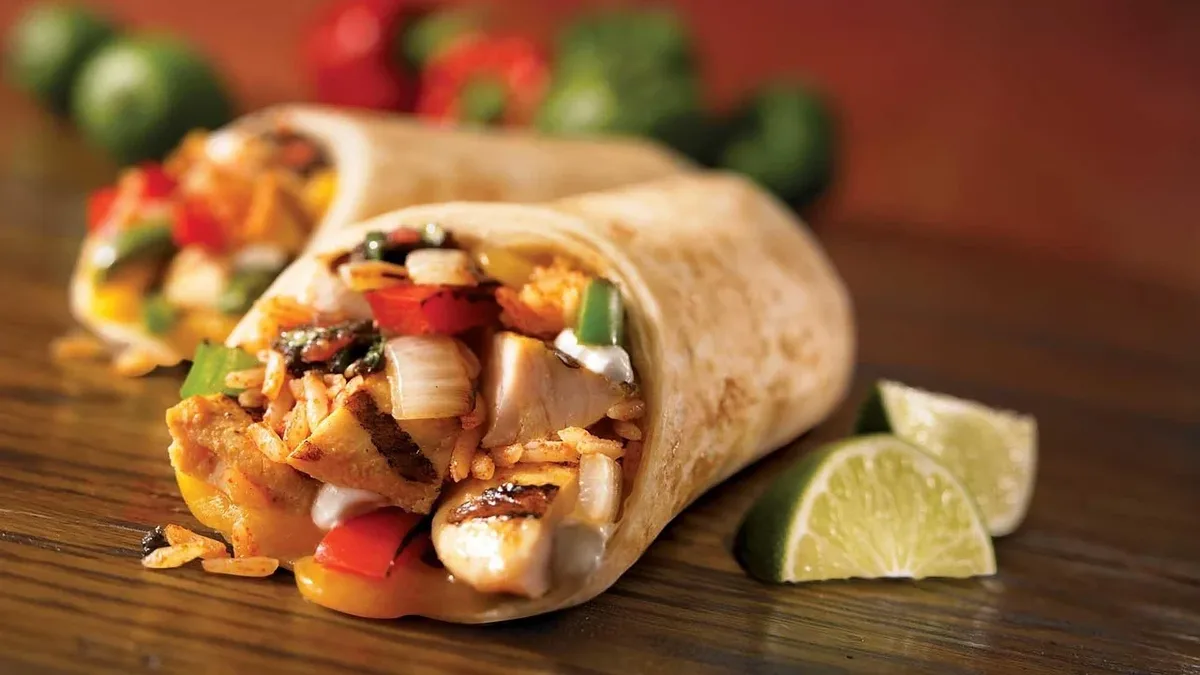
San Diego's 14 Best Breakfast Burritos Ranked
A local guide identifies the top breakfast burrito spots across San Diego, from classic taco shops to a Filipino fusion deli, based on customer...