Fish Shop D.C. expands sustainable sourcing
Washington D.C.'s Fish Shop, opened last year, pursues radical sustainability through chef Ria Montes's local seafood sourcing and designer Russell Sage's
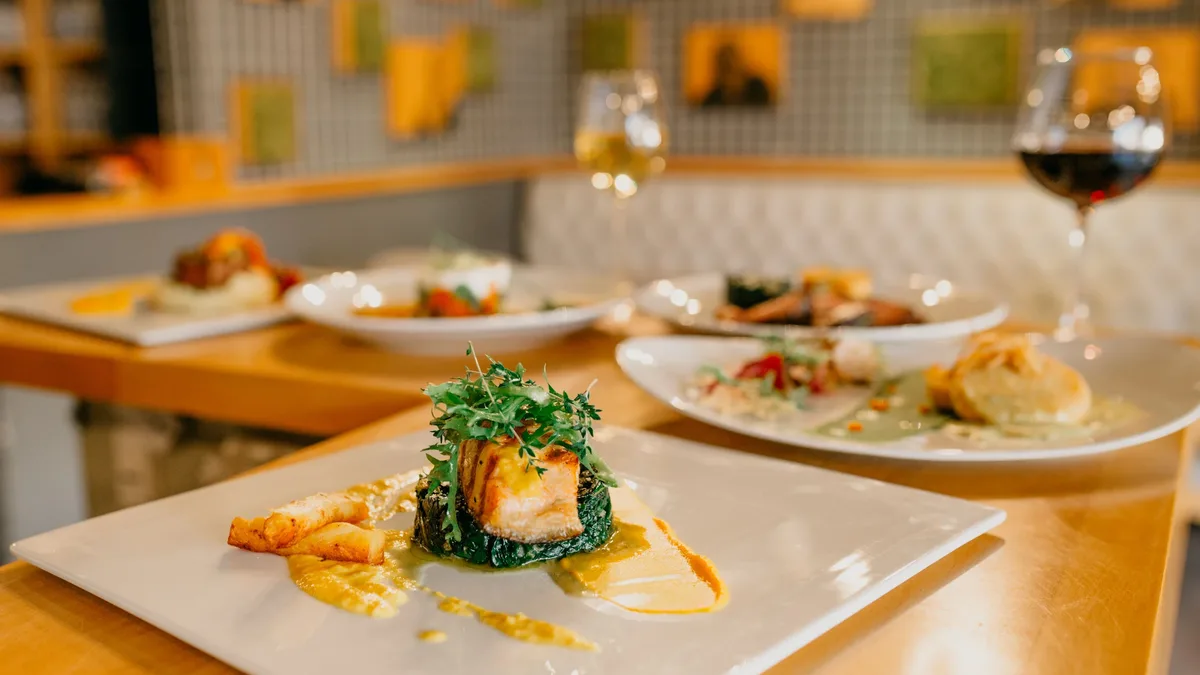
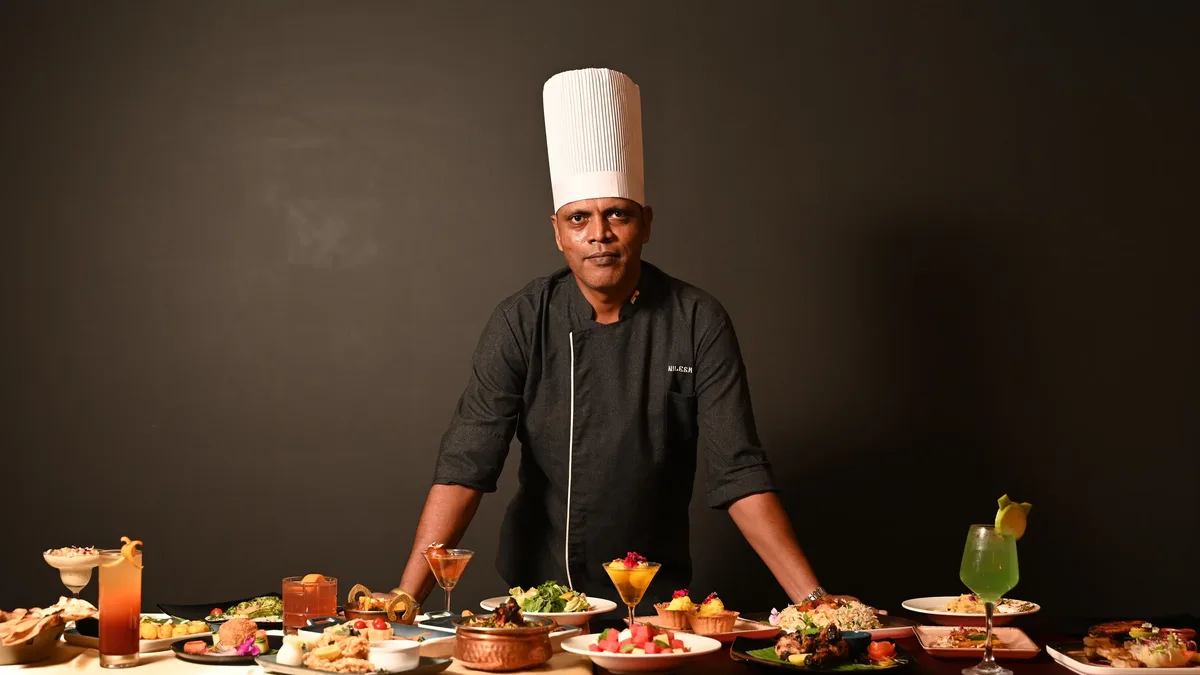
Fish Shop opened last year in Washington D.C.'s Wharf district. The 150-seat restaurant, led by Chef Ria Montes and designed by Russell Sage, extends a philosophy of radical sustainability to both its menu and its interior.
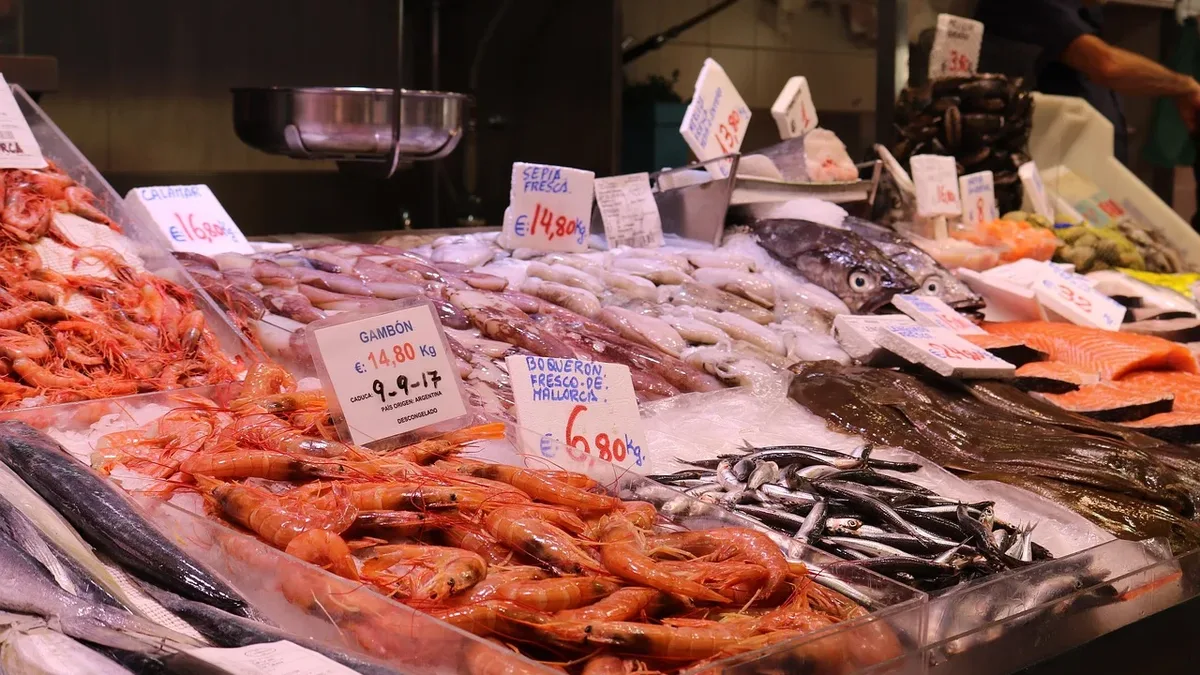
Chef Ria Montes sources all seafood from waters between North Carolina and New York, caught with gill nets or lines. Deliveries use cardboard packaging, not Styrofoam. This constrained, relationship-driven approach uncovers local products beyond the region's famous blue crabs.
Montes and her team constantly seek new sustainable options. She has heard lore of local American eel. One sous chef dreams of adding local, sustainable caviar.
The evolving sustainable menu
The frequently changing menu highlights the diverse local catch. Seafood appears in various preparations, from lobster rolls to smoked trout. A rotating whole fish is grilled, fried, rubbed with jerk seasoning, and served with Asian pear relish. When in season, Maryland blue crabs are featured in multiple dishes.
Oysters are a menu staple, sourced from Spike Meatyard of Maryland's Double T Oyster Ranch. Montes has worked with Meatyard since her time at D.C.'s Estuary restaurant. His contributions extend beyond food. A large boat in the private dining room and wood for outdoor planters came from his family's marina. Used oyster shells are returned or reused for plating.
Sustainability in design and decor
Owned by Artfarm, the hospitality arm of art gallery Hauser & Wirth, Fish Shop treats its space as an artistic extension of its ethos. Designer Russell Sage builds relationships with local artists, mirroring Montes's work with purveyors.
The design utilizes recycled and sustainably sourced materials. Tabletops feature swirling patterns made from mixed recycled plastic, including yogurt containers, medical supplies, and fishing nets. Chairs use wood from sustainable forestry. A large table in the private dining room was crafted from a naturally felled tree.
Building a community narrative
Local artists are integral to the decor. Lamps at the bar are made from recycled glass like whiskey bottles. Woven fish, crafted from invasive wisteria by a local basket weaver, swim across the ceiling. Every element is intended to have meaning.
Sage credits the gallery owners' focus on story and community. The team embraces the challenge of not knowing all solutions upfront, finding it exciting. The restaurant's approach, from chasing local eel to weaving invasive plants into art, defines its ambitious, sustainable identity.