Thrift Store Kitchenware Cleaning Guide
A guide to cleaning and sanitizing secondhand kitchen items, covering dishwasher-safe and delicate pieces, and when a bargain might be a health risk.
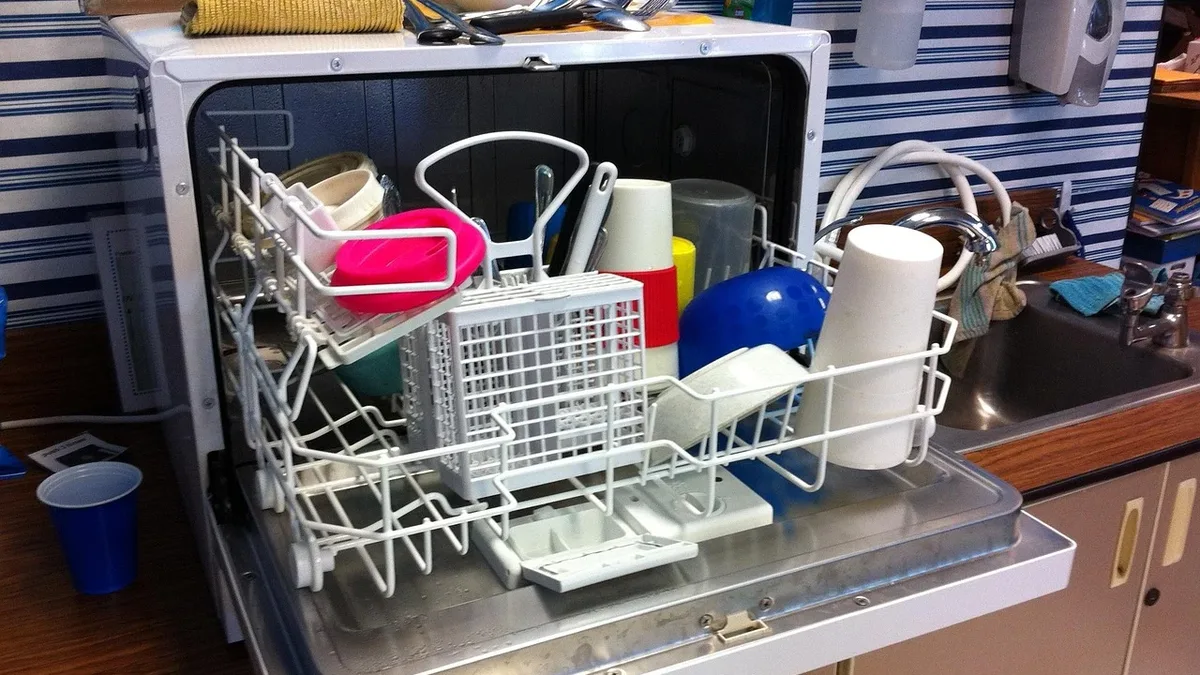
Thrift stores can be a source for high-quality kitchenware like Le Creuset or Staub without the high retail price. After purchasing, items must be cleaned and sanitized before use, as their prior storage conditions are unknown. Washing with soap and warm water is the minimum requirement to remove hidden germs.
Many secondhand kitchen items can be cleaned in a dishwasher on a sanitizing cycle. However, gilded or hand-painted dishware should be kept out. Harsh detergents and high heat can ruin delicate designs.
Vintage crystal or hand-blown glassware should also avoid the dishwasher, as older pieces are less durable and could shatter. Porous items like cast iron or wood can soak up water, leading to rust or warping. For these, use a light hand, a sponge, and mild dish soap.
For extra safety with nonporous, bleach-safe items, create a sanitizing solution. Mix one tablespoon of unscented household bleach per gallon of cool water. Soak items for at least two minutes, then air-dry.
Restoring Grimy Bargains
Finding a coveted piece caked in grease can be a steal, as the grime often lowers the price. That dirt can be removed at home. To restore a dirty pan, use Bar Keepers Friend Powder Cleanser and a wet, nonabrasive sponge, if the manufacturer's instructions allow. Scrub gently to lift the grease.
Alternatively, for a thrift-minded approach, fill the pan with enough water to cover the affected areas. Stir in baking soda, bring to a boil, then scrape away the softened grease with a wooden or silicone utensil. For the exterior, a paste of baking soda and water applied with a nonabrasive sponge works well.
When To Skip A Thrifted Item
Some thrifted kitchenware may not be worth the risk, even at a low price. If a beautiful piece has a surface covered in thin, web-like cracks, known as crazing, it is best avoided. Crazing occurs frequently in older pieces, appearing on ceramic, porcelain bakeware, enameled cast iron, and antique china.
This is not just a cosmetic flaw. The tiny cracks can harbor bacteria. Furthermore, if an older piece has a lead-containing glaze, damage or deterioration may increase the risk of lead leaching into food.
Our fixtures section details how proper equipment maintenance is crucial for any dining establishment's safety standards. Assessing the integrity of secondhand items is a key part of that process, much like checking the squad ensures a restaurant's team is fully operational.
Always check manufacturer care instructions when possible. With careful cleaning, many thrifted finds can become safe, functional additions to any kitchen.
Source: Food Republic