The Rise of Modern Teahouses
A new wave of teahouses is emerging, offering a unique experience that combines tea, community, and relaxation. From late-night teahouses to tea salons, these establishments are redefining the way people consume and interact with tea.
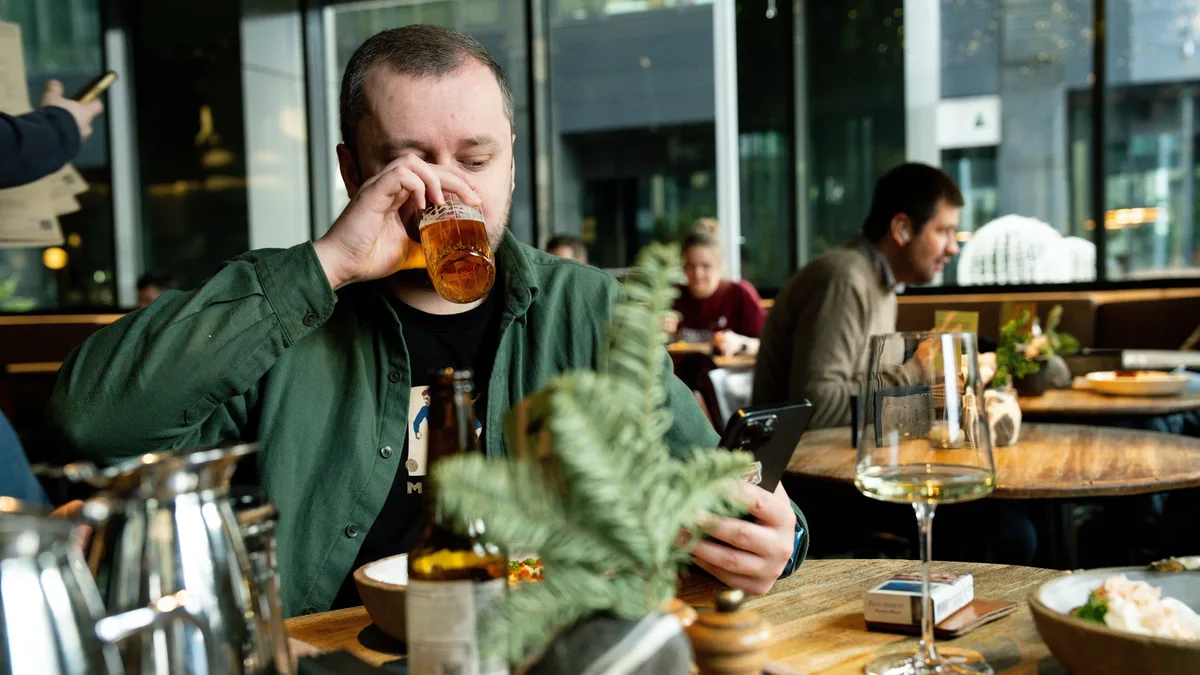
The concept of a teahouse is not new, but the modern interpretation is gaining popularity. In Los Angeles, Tea at Shiloh is a late-night teahouse that offers unlimited tea and a cozy atmosphere, complete with plush cushions, jazz music, and communal seating. Founder Shiloh Enoki wanted to create a space where people could slow down and connect with others, away from the hustle and bustle of daily life.
The Growing Demand for Tea
The success of bubble tea and matcha has paved the way for more tea businesses to emerge. According to Enoki, tea is not just a drink, but an experience that encourages people to sit down, relax, and engage in deep conversations. This concept is resonating with millennials, who are driving the demand for tea. The US is importing more tea than ever before, with hundreds of millions of dollars worth of tea being imported in the past decade.
Teahouses with a Similar Ethos
Across the country, teahouses with a similar ethos to Enoki's are sprouting up. Han Cha in Chicago is a tea salon that offers a selection of nine teas, served in the format of British high tea. The teahouse is located in the Stony Island Arts Bank building and is a collaboration between Heiji Black and artist Theaster Gates. The goal is to create a space where people can slow down and savor the experience of drinking tea.
The Diverse World of Tea
The world of tea is diverse and complex, with many different types and flavors to explore. From Chinese green tea to Taiwanese black tea, the options are endless. Teahouses like Soft Hours in Manhattan's Chinatown are offering a streamlined selection of Chinese teas, including jasmine green tea, oolong, and black tea. The menu is designed to introduce people to the world of tea, without being too overwhelming.
Teahouses like Tian Tea House in Kansas City, Missouri, are also showcasing the wider variety of Asian tea culture. The teahouse offers Chinese gongfu tea and lesser-known Thai tea, including one made with hibiscus and bael. The teahouse turns into a cocktail bar at night, with tea-infused drinks and whisky drinks made with matcha.
The rise of modern teahouses is not limited to independent establishments. Heytea, a Chinese chain, is expanding across the US, with over 40 locations nationwide. The chain is known for its cheese tea and milk tea boba, but it's also experimenting with new formats and flavors. The company's Teabar offshoot is a dine-in only concept that serves pots of tea, tea ice cream, and elaborate beverages like jasmine milk tea topped with a matcha cloud.
The interest in tea is no longer limited to the teahouse or tea bar alone. Tea is being used as a flavor element in food, desserts, and cocktails. The 2025 resurgence of Earl Grey is a prime example, with Earl Grey syrups and creamtops being used in matcha and coffee drinks. As the world of tea continues to evolve, it will be exciting to see how it is used and interpreted in new and innovative ways.