Restaurants Overlook Invisible Guests in Reservations
A restaurant's reservation system records the booker but often misses the other diners at the table, creating a gap between covers served and identifiable
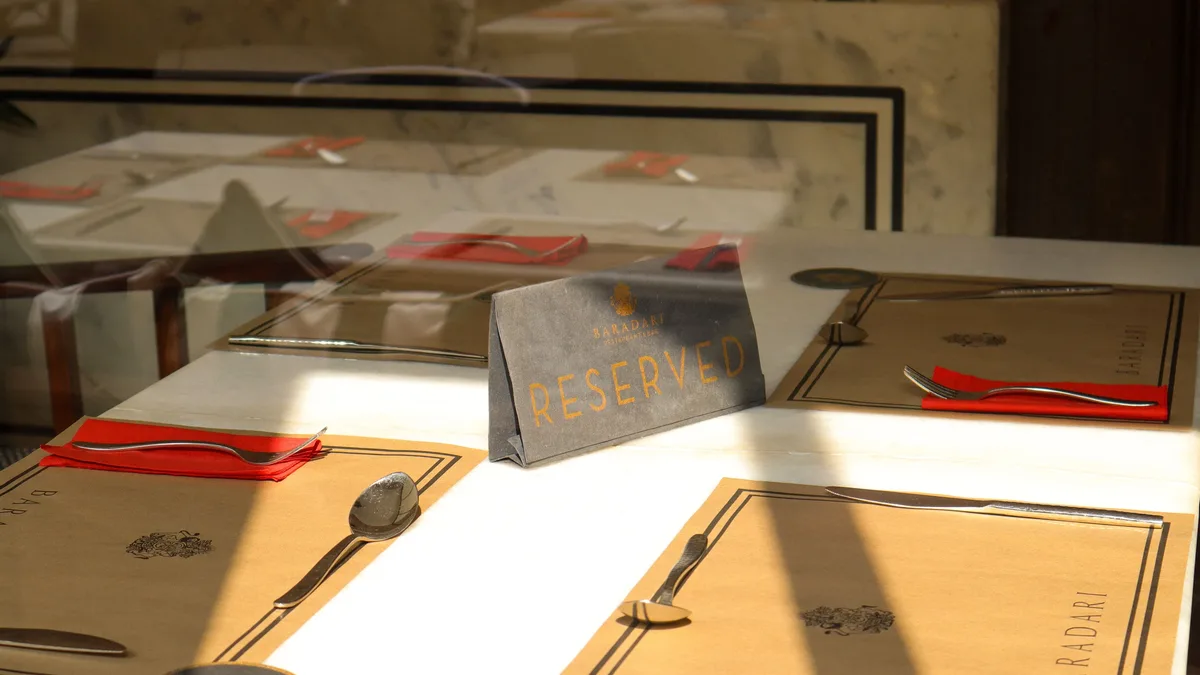
A reservation system provides a detailed log of who booked a table. It does not, however, identify the other guests who shared the meal, leaving restaurants with an incomplete picture of their actual customer base.
Nigel Diamond, writing for Modern Restaurant Management, argues that this distinction is critical. A restaurant may serve 300 covers on a Saturday night, but the number of individually identifiable customers is often far lower. The person who made the reservation is the only one typically recorded. The other diners, who also experienced the food and service, remain anonymous unless they have visited before or identified themselves separately.
The Reservation Versus Customer Gap
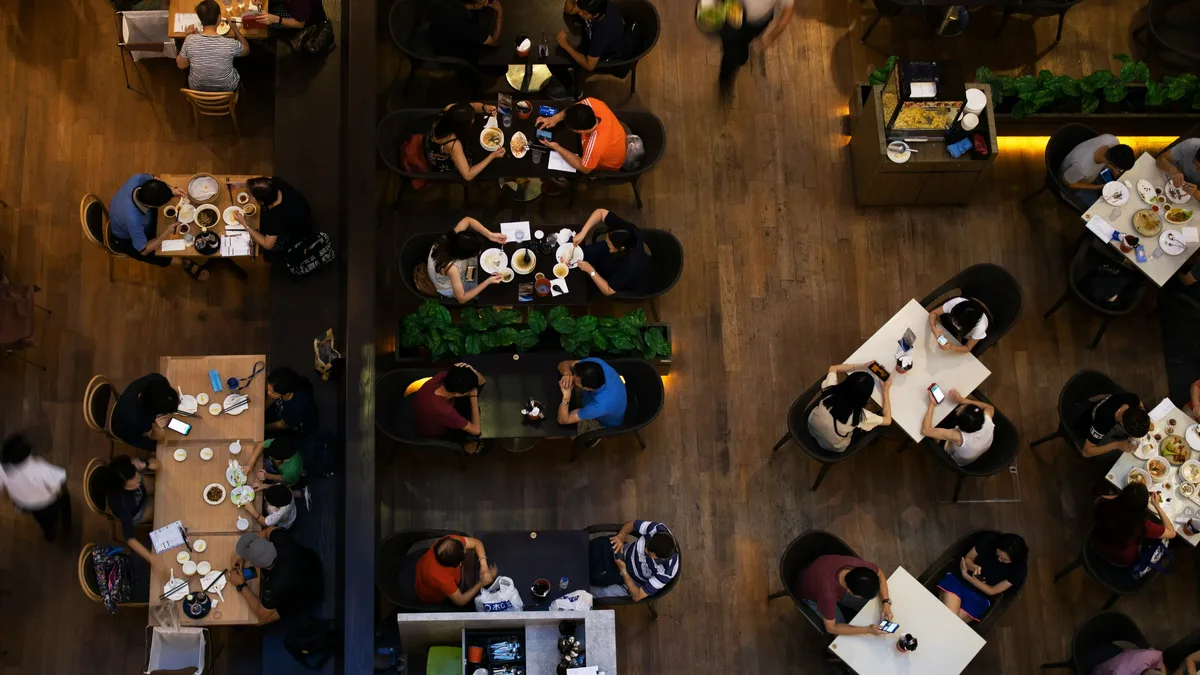
A full reservation book can mask a significant customer identification gap. Restaurants naturally focus on covers served, but each cover does not equal a known customer. Reservations often represent groups, so the number of individual customers served can be considerably higher than the number of people recorded as having made those reservations.
Diamond notes that restaurants often confidently cite the number of contacts in their booking system as their customer count. "Ask how many of the people they actually served last weekend they could contact again, however, and the conversation can become rather different," he writes. This exposes the difference between recording a reservation and recognising a customer.
A More Revealing Metric for Restaurants
Beyond tracking covers and no-shows, Diamond suggests restaurants ask a more revealing question: what proportion of the customers served could be contacted again? This refers not to social media followers or an existing database, but to the people who recently dined and have chosen to establish a communication link with the restaurant.
The booker is not necessarily the most valuable future patron. Another guest at the table might live nearby, be planning an event, or be more likely to become a regular. The hard work of attracting them is already done. The missed opportunity is the inability to continue the relationship.
Why the Gap Hurts During Quiet Times
The limitation of a reservation database becomes acutely apparent when tables are empty. The instinct is to spend on advertising to attract new strangers. A more effective strategy, Diamond argues, is reaching people who have already visited and enjoyed themselves.
A previous customer already knows the location, atmosphere, service, and food. The restaurant is not persuading a stranger to take a chance. It is giving a known entity a reason to return. Marketing success should not be measured solely by audience reach. Ten thousand people seeing an ad is less useful than contacting a smaller group of previous, satisfied customers.
Implementing Identification Without Intrusion
There is a clear danger in pushing customer identification too hard. Hospitality must not feel like an interrogation. The goal is not to collect data for its own sake but to offer customers a genuine reason to identify themselves, such as news about events or menu changes.
How this opportunity is presented is crucial. Participation must be voluntary, transparent, and simple. If collecting details becomes an irritation, it defeats the purpose. The aim, Diamond concludes, is to "reduce the number of satisfied customers who leave completely anonymously when some of them would have been perfectly happy to continue the relationship."
Restaurants invest heavily in attracting new patrons. Yet a significant opportunity lies closer to home, among the invisible guests who have already walked through the door. The true measure of a customer database may not be its size, but how many of those diners the restaurant actually knows.